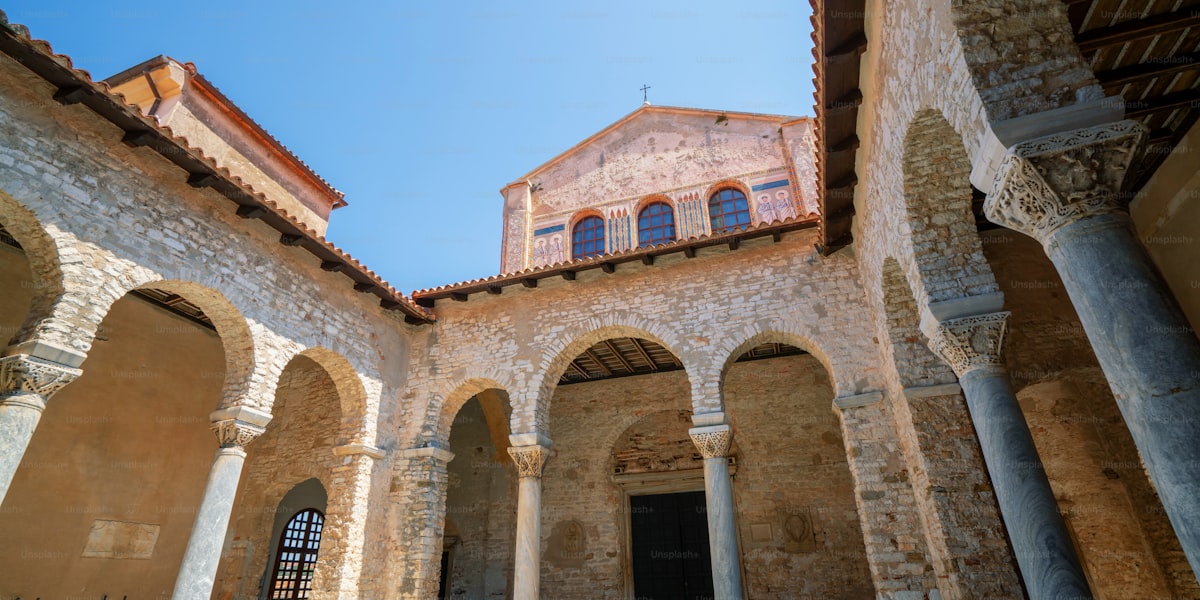
Imagine living inside a 1,700-year-old Roman palace, walking its marble corridors to grab your morning coffee, then stepping out to a crystalline Adriatic coastline where ferries depart for some of Europe's most beautiful islands. That is daily life in Split, Croatia's second city and the heart of the Dalmatian coast. For retirees willing to venture beyond the well-worn paths of Spain and Portugal, Split offers a stunning Mediterranean lifestyle at prices that make Western Europe look extravagant, all wrapped in a country that joined the EU in 2013 and the Eurozone in 2023.
Why Retirees Choose Split
Split is built in and around Diocletian's Palace, a UNESCO World Heritage site that is not a museum but a living, breathing neighborhood. Shops, restaurants, bars, and apartments fill the ancient stone walls, creating an atmosphere unlike anywhere else in the Mediterranean. Beyond the palace, the city spreads along the waterfront Riva promenade, backed by Marjan Hill, a forested peninsula with hiking trails and swimming coves.
The Adriatic here is spectacular. The water is among the cleanest in the Mediterranean, with visibility often exceeding 30 meters. Split serves as the main ferry hub for the Dalmatian islands, putting Hvar, Brac, Vis, and Korcula within easy reach for day trips or weekend escapes. The combination of ancient history, natural beauty, and genuine affordability is what draws retirees who have already explored more established destinations and want something with more character and fewer crowds of fellow expats.
Best Neighborhoods for Retirees
Bacvice and Firule
These adjacent neighborhoods southeast of the old town combine proximity to Split's most popular beach with a residential calm that the palace area lacks. Bacvice beach is famous for picigin, a traditional ball game played in the shallows, and the area has good restaurants, cafes, and a flat waterfront promenade. Two-bedroom apartments run EUR 800-1,100 per month.
Manus and Znjan
Further east along the coast, these newer residential areas offer modern apartments, larger living spaces, and easy beach access at lower prices. Znjan has a long pebbly beach with beach bars and swimming spots. The trade-off is being further from the historic center, though buses connect you in 15-20 minutes. One-bedroom apartments start at EUR 500-700.
Varos
This historic neighborhood climbs the western slope of the old town toward Marjan Hill. Narrow stone streets, family-run konobas, and stunning views over the harbor give Varos an authentic Dalmatian village feel within the city. Properties here tend to be older stone houses or apartments, with one-bedrooms at EUR 650-950. The steep terrain may be a consideration for those with mobility concerns.
Key Takeaway
Croatia adopted the Euro in January 2023, eliminating currency exchange hassles and making financial planning straightforward for retirees. Combined with EU membership, this means your European banking, transfers, and daily transactions work exactly as they would in France or Germany.
Visa and Residency
Croatia's visa landscape for retirees is still evolving. Non-EU citizens can apply for a temporary stay permit based on proof of sufficient financial means, typically demonstrating income equivalent to the average Croatian gross salary (approximately EUR 2,540 per month). Croatia also offers a popular digital nomad visa, which while designed for remote workers, has been used by some retirees with investment income.
The temporary stay permit is initially granted for one year and is renewable. After five years of continuous legal residency, you can apply for permanent residency. Croatian citizenship requires eight years of legal residency plus Croatian language proficiency, though most American retirees find that permanent residency meets their needs without pursuing citizenship.
Healthcare: Improving Rapidly
Croatia's public healthcare system (HZZO) provides coverage to legal residents, and Split is home to the KBC Split university hospital, the largest medical facility in Dalmatia. The system is competent for most needs, though it has longer wait times and less modern facilities compared to Western European countries. For complex procedures, some residents travel to Zagreb or even to neighboring Italy or Austria.
Private healthcare in Split has expanded significantly in recent years. Private clinics like Medico and Sunce offer faster service, modern equipment, and some English-speaking doctors. Private insurance for retirees costs EUR 80-160 per month, and out-of-pocket private consultations typically run EUR 40-70, a fraction of US costs.
Taxes: The Croatian Framework
Croatia taxes residents on worldwide income at two rates: 20% on income up to approximately EUR 50,400 per year, and 30% above that threshold. The US-Croatia tax treaty protects Social Security from Croatian taxation. Foreign pension income may be subject to Croatian tax, but the foreign tax credit mechanism prevents double taxation.
One notable advantage: holders of Croatia's digital nomad visa are exempt from Croatian income tax during their first year, which can provide a useful transition period. After that, standard tax rules apply to residents.
Cost of Living Breakdown
Split is remarkably affordable by Mediterranean standards. A couple can live comfortably on $1,900-$2,200 per month, including rent. The real savings come from dining and entertainment. A meal at a local konoba costs EUR 8-15 per person, a coffee on the Riva is EUR 2, and a bottle of excellent Croatian wine from the Peljesac peninsula runs EUR 8-15 at a shop.
Groceries are 30-50% cheaper than in the US, with excellent produce, dairy, and seafood at local markets. The open-air Green Market (Pazar) next to Diocletian's Palace offers fresh fruits, vegetables, cheese, and cured meats daily. Fish markets along the waterfront sell the morning catch at prices that would be unthinkable in the US.
Key Takeaway
Split's seasonality is both a pro and a con. Summers bring world-class weather and lively energy, but tourist crowds can overwhelm the old town. Winters are mild but quieter, with many coastal restaurants closing. Retirees who embrace the rhythm, socializing more in summer and traveling in winter, find this seasonal cycle deeply satisfying.
Is Split Right for You?
Split is ideal for adventurous retirees who want a Mediterranean lifestyle with genuine character, stunning natural beauty, and costs well below Spain or Portugal. It suits those who are comfortable being part of a smaller expat community rather than a large established one, and who value the ability to island-hop and explore the Dalmatian coast from a central base. The main trade-offs are a healthcare system that is still catching up to Western European standards, a tourism-driven seasonal rhythm, and the need to learn at least basic Croatian for deeper community integration. But for retirees who want something authentically different from the well-trodden Costa del Sol or Algarve, Split is one of Europe's most exciting emerging retirement destinations.