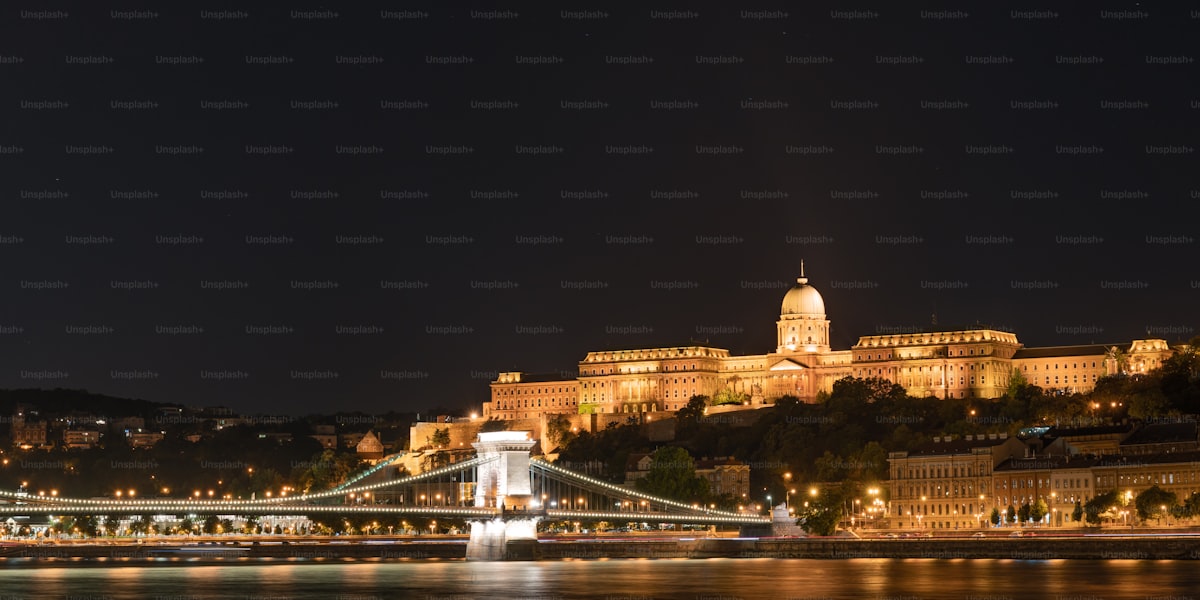
Budapest is arguably the most undervalued major capital in Europe. Straddling the Danube River with its grand Art Nouveau architecture, world-famous thermal baths, and a cultural scene that rivals cities three times its cost, Hungary's capital offers American retirees a genuine European capital experience at prices that would be considered modest even in the US Midwest. For retirees who want opera, architecture, and cafe culture without the Paris or Vienna price tag, Budapest is a revelation.
Why Retirees Choose Budapest
The first thing that strikes most visitors is the sheer beauty of the city. The Buda Castle District perched on the western hills, the neo-Gothic Parliament building illuminated along the river, the Chain Bridge connecting two halves of a city that feels like it was designed as a film set. Budapest won its beauty honestly, through centuries of Ottoman, Habsburg, and Art Nouveau influence layered onto a dramatic riverside setting. Living here means waking up to one of Europe's great skylines every day.
The second thing that strikes people is the affordability. A two-course lunch with wine at a local etterem (restaurant) costs $8 to $12. A monthly transit pass covering the entire metro, tram, and bus network runs about $12 for seniors. A soak in the Szechenyi or Gellert thermal baths costs $15 to $25 for a full day. You can attend a world-class opera performance at the Hungarian State Opera House for $15 to $40 per ticket. These are not budget-tourist prices; they are everyday prices for residents.
Best Districts for Retirees
District V (Belvaros-Lipotvaros)
The heart of Pest, District V stretches along the Danube and includes the Parliament, St. Stephen's Basilica, and the Vaci utca shopping street. This is Budapest's most walkable district with everything at your doorstep: cafes, markets, pharmacies, and the Danube promenade. Rents are higher here at HUF 250,000 to HUF 450,000 (approximately $650 to $1,200) for a one-bedroom, but the convenience is unmatched.
District VI (Terezvaros) and District VII (Erzsebetvaros)
These neighboring districts offer a slightly grittier, more authentic Budapest experience. District VI is home to Andrassy Avenue, the Opera House, and elegant apartment buildings with high ceilings and parquet floors. District VII, the old Jewish Quarter, has been transformed into the epicenter of Budapest's famous ruin bar scene and hosts some of the city's best restaurants and cafes. One-bedroom rents range from HUF 200,000 to HUF 380,000 ($520 to $1,000).
District II (Buda Hills)
For retirees seeking quiet residential living with green spaces, the Buda Hills offer a suburban feel with city access. Tree-lined streets, parks, and proximity to hiking trails in the Buda Hills make this area ideal for active retirees. The trade-off is less walkability and greater dependence on bus connections to reach the Pest city center. Rents are moderate at HUF 180,000 to HUF 350,000 ($470 to $920) for a one-bedroom.
Key Takeaway
District V and VI offer the best combination of walkability, beauty, and access to daily amenities for most retirees. If you prioritize green space and quiet over urban energy, look at District II or XII in Buda. Budapest's excellent public transit means you are never more than 20 to 30 minutes from anywhere in the city.
Residency and Visa Process
Hungary offers a residence permit for retirees based on proof of sufficient income and health insurance. The process requires demonstrating regular income from pensions or investments (approximately EUR 1,200 per month is typically sufficient), valid health insurance covering Hungary, a registered address in the country, and a clean criminal background. The initial permit is granted for one to two years and is renewable.
After five years of continuous residence, you can apply for EU permanent residence, which provides additional stability. Hungarian citizenship is possible after eight years of residence, though you must pass a Hungarian language and civics exam. Given the difficulty of Hungarian, many retirees opt to maintain permanent residence status rather than pursue citizenship.
Healthcare: Affordable and Improving
Hungary's public healthcare system provides universal coverage to residents who contribute to the social insurance system. Retirees can access public care through the TAJ card (social security card), though the public system has longer wait times and older facilities compared to Western Europe. English-speaking staff in public hospitals is not guaranteed.
The private healthcare sector has expanded rapidly and is where most expat retirees receive their care. FirstMed, Rozsakert Medical Center, and Telki Private Hospital offer modern facilities with English-speaking doctors, many Western-trained. A private GP visit costs HUF 15,000 to HUF 30,000 ($40 to $80), and specialist consultations run HUF 20,000 to HUF 50,000 ($52 to $130). Hungary is also a major dental tourism destination, with dental implants costing 50 to 70 percent less than in the US at internationally accredited clinics.
Key Takeaway
Budapest's private healthcare offers excellent value, particularly for dental work, which attracts patients from across Europe. Budget for private health insurance at EUR 100 to EUR 250 per month and you will have access to modern facilities with English-speaking staff at a fraction of US costs.
Taxes and Financial Considerations
Hungary applies a flat 15% personal income tax on worldwide income for tax residents. Under the US-Hungary tax treaty, US Social Security benefits are taxed only by the United States. Private pension income (401(k) distributions, IRA withdrawals) may be taxable in Hungary at the 15% flat rate, but the US foreign tax credit mechanism prevents double taxation. The flat rate is notably simpler than the progressive systems in countries like Portugal or France.
Hungary uses the Hungarian Forint (HUF), not the Euro. While this means currency exchange is a regular part of life, it also means your US dollar purchasing power benefits when the Forint is weak. Over the past decade, the Forint has generally depreciated against the dollar, making Hungary progressively cheaper for dollar-denominated retirees. However, this also means some currency risk, and it is wise to maintain dollar-denominated savings alongside a local Forint account for daily expenses.
The Thermal Bath Lifestyle
Budapest sits on over 120 natural hot springs, and the thermal bath culture is central to daily life. The grand Szechenyi Baths, the Art Nouveau Gellert Baths, and the atmospheric Rudas Baths offer a uniquely Hungarian experience that becomes a genuine wellness routine for many retirees. Regular thermal bathing has documented benefits for arthritis, joint pain, and circulation. Monthly passes make this an affordable daily ritual rather than an occasional indulgence.
Beyond the baths, Budapest's cultural calendar is packed year-round. The Hungarian State Opera offers tickets starting at $15, the Budapest Spring and Autumn Festivals bring world-class performances, and the city's 200-plus museums and galleries ensure there is always something new. The ruin bar scene in District VII is legendary, converting abandoned buildings into eclectic bars and cultural venues. The Danube promenade offers one of Europe's best evening walks.
Practical Considerations
Budapest's winters are cold, with temperatures regularly dropping below freezing from December through February and occasional snow. This is a genuine consideration for retirees accustomed to warmer climates. Central heating in apartments is standard and effective, but outdoor activity in winter requires proper cold-weather gear. Summers are warm and pleasant, with July temperatures reaching the mid-80s F.
The Hungarian language is notoriously difficult, with no relation to any neighboring language (it belongs to the Finno-Ugric family). English proficiency among younger Hungarians is decent, and tourist areas, private clinics, and most restaurants operate in English. However, government offices, utility companies, and everyday interactions with older locals often require Hungarian. A basic phrasebook and translation apps go a long way.
Is Budapest Right for You?
Budapest is perfect for retirees who crave a grand European capital lifestyle on a modest budget. If you love architecture, classical music, thermal baths, and excellent food, and you can handle cold winters and a challenging language, Budapest offers a quality of life per dollar that almost no other major European city can match. It works best for retirees with income of $1,500 or more per month who value cultural richness and urban energy over year-round sunshine.