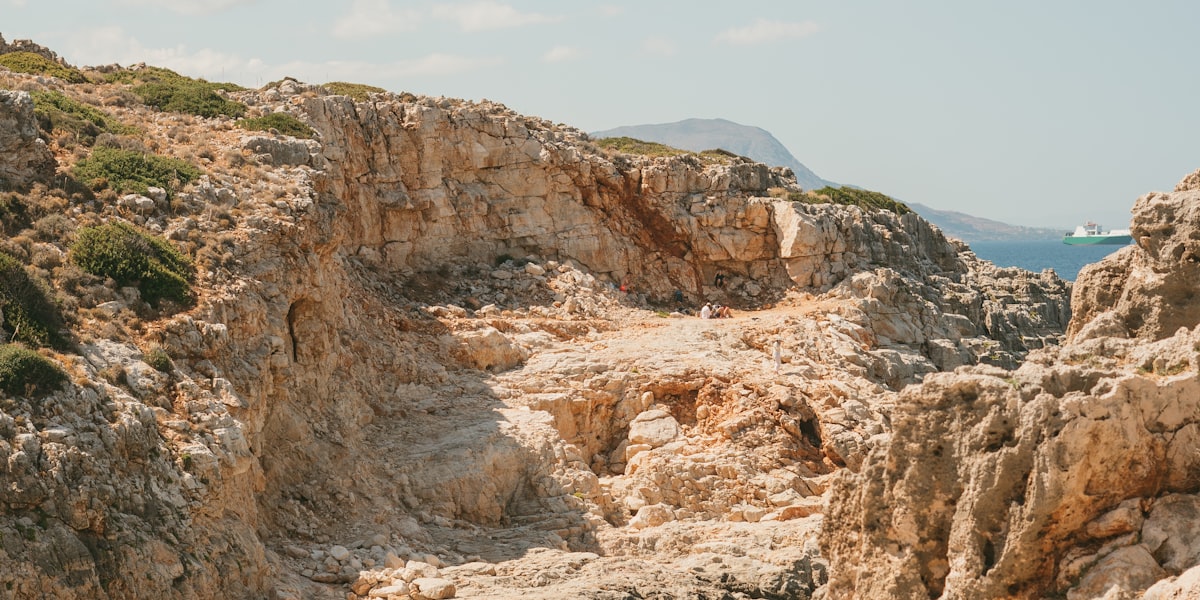
Crete is where the Mediterranean myth becomes reality. Greece's largest island stretches 260 kilometers across the southern Aegean, with snow-capped mountains dropping into turquoise lagoons, ancient Minoan palaces rising from olive groves, and village tavernas serving food that has sustained one of the world's healthiest populations for centuries. For retirees seeking a slower, more authentic Mediterranean life at prices that make even mainland Greece look expensive, Crete offers something that polished resort destinations cannot: the real thing.
Why Retirees Choose Crete
Crete operates on its own terms. While the island welcomes tourists in summer, it has a year-round population of over 600,000 and a self-sufficient economy built on agriculture, olive oil production, and wine. This means that unlike smaller Greek islands that empty out in winter, Crete's towns remain vibrant, shops stay open, and local life continues regardless of season. The Cretan diet, based on olive oil, wild greens, fresh fish, cheese, and moderate wine consumption, is one of the most studied in nutritional science and is credited with some of the highest life expectancies in Europe.
Greece's flat 7% tax on foreign pension income applies equally on Crete, making the island one of the most tax-efficient retirement destinations in the Mediterranean. Combined with living costs that are 20-30% below Athens and 40-50% below Western European alternatives, Crete allows retirees on moderate incomes to live with a quality that would be impossible in most of the US or northern Europe.
Best Areas for Retirees
Chania
The Venetian harbor of Chania is widely considered one of the most beautiful waterfronts in Greece. The old town is a labyrinth of narrow lanes, Ottoman-era buildings, leather workshops, and small tavernas. Beyond the old town, the modern city offers supermarkets, hospitals, and all the services a retiree needs. Chania has the strongest expat community on the island and the most international feel. One-bedroom apartments in the old town run EUR 500-800, while modern apartments in the suburbs cost EUR 400-650.
Rethymno
Halfway between Chania and Heraklion, Rethymno combines a well-preserved Venetian old town with a long sandy beach and a university that keeps the city lively year-round. It is smaller and quieter than Chania but has a strong cultural identity, with a summer arts festival and a vibrant cafe scene around the Rimondi Fountain. Rents are among the island's lowest: EUR 350-600 for a one-bedroom apartment.
Agios Nikolaos
On Crete's eastern coast, Agios Nikolaos sits around a picturesque lake connected to the harbor, surrounded by cafes and shops. The surrounding Mirabello Bay area has some of the island's best swimming and is close to the archaeological site of Spinalonga. The town is compact and walkable, with a relaxed atmosphere that appeals to retirees seeking quiet seaside living. One-bedroom apartments cost EUR 350-550, and the area attracts a mix of Greek, British, and Scandinavian retirees.
Key Takeaway
Crete has two international airports (Heraklion and Chania) with direct flights to dozens of European cities, especially from April through October. This connectivity means you are not as isolated as you might expect on a Greek island, with London, Paris, and Athens all reachable in under four hours.
Visa and Residency
Crete follows the same Greek visa rules as the mainland. The Financially Independent Person Visa (Type D) requires approximately EUR 2,000 per month in demonstrable income. The application process is handled through Greek consulates abroad, and once on the island, residency paperwork is managed at the local Aliens Bureau in Heraklion or Chania.
Bureaucracy in Crete can be slower than in Athens, and fewer officials speak English, so working with a local lawyer (dikigoros) is strongly recommended. The upside is that Crete's smaller communities mean you often deal with the same officials repeatedly, which can actually speed things up once they know you. Greek permanent residency is available after five years, and citizenship after seven, with Greece allowing dual nationality.
Healthcare: Plan Carefully
This is the area where Crete requires the most realistic expectations. The island has public hospitals in Heraklion (PAGNI, the University Hospital) and Chania (St. George), both of which handle general medicine, emergencies, and many specialties competently. However, for complex procedures such as cardiac surgery, advanced oncology, or specialized diagnostics, patients are often referred to Athens.
Private clinics in Heraklion and Chania have expanded in recent years, offering faster access to specialists and diagnostic imaging. Private health insurance is essential for retirees on the island, with policies running EUR 80-160 per month. Many expats develop a hybrid approach: using local private clinics for routine care and flying to Athens (a 50-minute flight) for anything requiring advanced treatment.
The 7% Pension Tax
Greece's flat 7% tax regime on foreign pension income is the single biggest financial incentive for retiring in Crete. The regime covers all foreign-source income, including 401k distributions, IRA withdrawals, investment dividends, and rental income from US properties. Combined with the US-Greece tax treaty, which ensures Social Security is taxed only by the US, a retiree with $5,000 per month in combined income might pay just $210 in Greek tax on their pension portion while owing nothing to Greece on their Social Security.
To qualify, you must not have been a Greek tax resident for five of the six years before applying, and you must transfer your tax residence to Greece. The regime lasts for 15 years, providing long-term certainty for financial planning.
Cost of Living Breakdown
Crete is one of the most affordable retirement destinations in the EU. A couple can live comfortably on $1,700-$2,000 per month, including rent, which is less than half of what the same lifestyle would cost in most US cities. The savings are most dramatic in food and dining. Cretan tavernas serve enormous portions of grilled lamb, dakos salad, and local wine for EUR 10-14 per person. Village bakeries sell fresh bread for under EUR 1, and local olive oil, widely considered the best in Greece, costs EUR 5-8 per liter at the source.
The one area where costs can add up is transportation. Unlike Athens, Crete does not have a metro or extensive urban transit. KTEL buses connect the major north-coast towns reliably, but reaching mountain villages, south-coast beaches, or the more remote eastern areas requires a car. A small used car costs EUR 3,000-6,000, and fuel runs about EUR 1.70 per liter.
Key Takeaway
Crete's real magic is in the slow pace and the depth of community. In smaller towns, your butcher remembers your order, your baker saves your favorite loaf, and your taverna owner pours you a free raki at the end of every meal. This level of personal connection, nearly extinct in modern urban life, is what draws retirees who have tried more polished destinations and found them lacking in soul.
Is Crete Right for You?
Crete is ideal for retirees who prioritize authentic Mediterranean culture, outdoor living, and extraordinary value over urban sophistication and modern convenience. It suits those who want to be part of a genuine community rather than an expat bubble, who are comfortable driving on winding mountain roads, and who do not need frequent access to advanced medical specialists. The island rewards patience, curiosity, and a willingness to learn basic Greek, which opens doors that remain closed to those who rely solely on English.
If you dream of mornings picking figs from your garden, afternoons swimming in water so clear you can count the pebbles, and evenings eating lamb chops under a grape arbor with neighbors who have become friends, Crete is not just a retirement destination. It is a way of life.