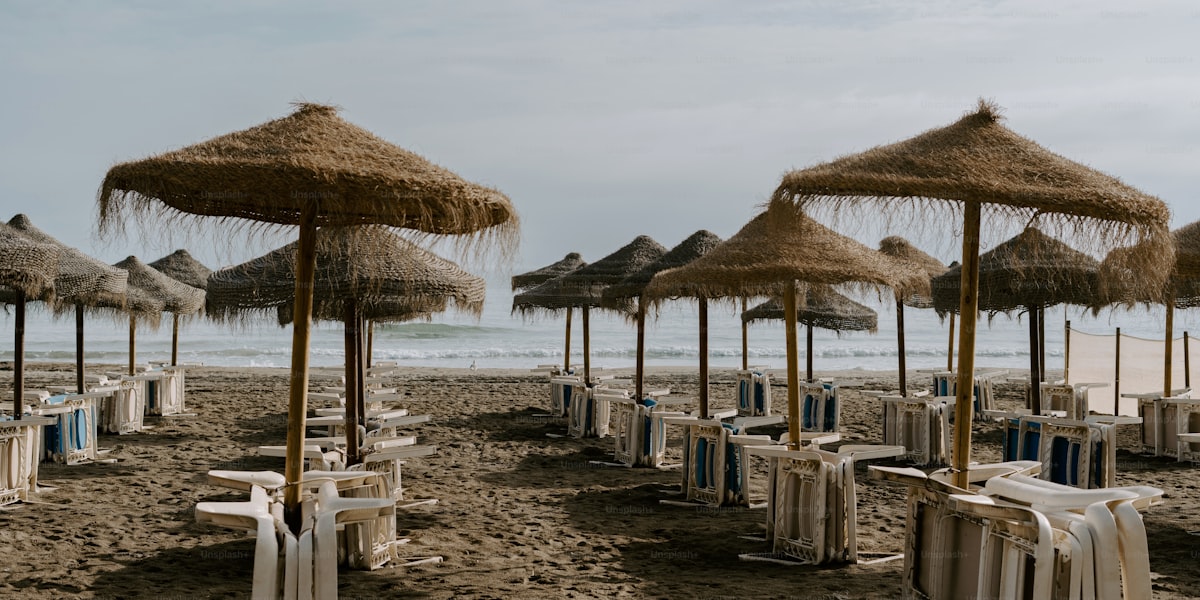
Malaga has undergone one of the most remarkable transformations of any European city in the past two decades. Once dismissed as just the airport gateway to the Costa del Sol's package-holiday resorts, this Andalusian port city has reinvented itself as a cultural powerhouse with a Picasso museum, a Pompidou Centre outpost, a booming gastronomy scene, and the warmest winters on mainland Spain. For American retirees, Malaga offers an irresistible package: genuine year-round sunshine, established English-friendly services, excellent healthcare, and a cost of living that makes comfortable Mediterranean living achievable on a moderate pension.
Why Retirees Choose Malaga
The Costa del Sol earns its name. Malaga averages over 320 sunny days per year, with winter temperatures rarely dropping below 50°F and summer highs tempered by sea breezes along the waterfront Paseo del Parque. For retirees fleeing harsh northern winters or the oppressive humidity of the US Southeast, this climate alone is transformative.
But Malaga is far more than weather. The city has invested heavily in culture, converting its historic center into a pedestrian-friendly district packed with museums, galleries, tapas bars, and public squares where locals gather for evening paseos. The Picasso Museum, the Carmen Thyssen Museum, and the Centre Pompidou Malaga put genuine world-class art within walking distance. The food scene revolves around ultra-fresh seafood served at beachfront chiringuitos, Andalusian tapas at neighborhood bars, and Atarazanas Market where you can buy the morning's catch directly from vendors.
Best Neighborhoods for Retirees
Pedregalejo
This former fishing village east of the city center is the top choice for many expat retirees. Pedregalejo has retained its village character with narrow streets, small plazas, and a string of beachfront chiringuitos serving grilled sardines and cold beer. The pace is slower than the city center, but buses connect you downtown in 15 minutes. One-bedroom apartments run EUR 750-1,100 per month, with sea-view properties at a premium.
Soho (Centro de Arte)
Malaga's arts district sits between the old town and the port, offering a creative, urban atmosphere with street murals, independent galleries, and trendy cafes. It is walkable to everything in the center and has a younger, more international vibe. Expect EUR 800-1,200 for a one-bedroom. The trade-off is occasional nightlife noise on weekends.
El Palo
Just east of Pedregalejo, El Palo is an authentic working-class neighborhood with a genuine local feel and some of the best and cheapest seafood restaurants on the entire coast. It has its own beach, a daily fish market, and a strong community identity. Rents are among the lowest in the city at EUR 600-900 for a one-bedroom, making it attractive for budget-conscious retirees.
Key Takeaway
Malaga's Costa del Sol has one of Europe's largest and most established expat communities, which means English-speaking doctors, international social clubs, and well-trodden paths for residency paperwork. You will not be the first American to navigate the system here, and that infrastructure makes the transition significantly smoother.
The Non-Lucrative Visa
Like the rest of Spain, Malaga-based retirees use the Non-Lucrative Visa, requiring approximately EUR 2,400 per month in passive income. The process involves applying at the Spanish consulate in the US, and the Costa del Sol's familiarity with international residents means local immigration offices (Oficina de Extranjeria) in Malaga are experienced with the process. Many English-speaking immigration lawyers (gestores) in Malaga specialize in guiding expats through the paperwork.
The visa leads to permanent residency after five years and potential citizenship after 10 years, though most Americans opt for permanent residency without pursuing citizenship due to Spain's restrictions on dual nationality. The key advantage is that permanent residency grants you the right to live anywhere in the EU's Schengen Area.
Healthcare on the Costa del Sol
Malaga benefits from Spain's excellent public healthcare system, and the Costa del Sol has additional advantages thanks to its large international population. The Hospital Costa del Sol in Marbella and Hospital Regional de Malaga are both major public facilities. Private healthcare is well-developed, with Vithas, Quironsalud, and HC Marbella all offering English-speaking staff and short wait times.
Private insurance for retirees typically costs EUR 90-180 per month for comprehensive coverage. Many expats use a combination approach: private insurance for routine care and specialists, with the public system as a safety net for emergencies and major procedures.
Taxes and the Andalusian Advantage
Spain's progressive tax rates apply to worldwide income for residents, but Andalusia has historically offered slightly lower regional tax rates compared to Catalonia or the Basque Country. The US-Spain tax treaty protects Social Security benefits from Spanish taxation, which is the most important provision for most American retirees.
Private pension income, including 401k and IRA distributions, may be taxable in Spain. However, the foreign tax credit on your US return prevents double taxation. Work with a tax advisor who understands both the US and Spanish systems, preferably one based on the Costa del Sol who deals with American expat tax situations regularly.
Cost of Living Breakdown
Malaga is one of the most affordable cities on the Western Mediterranean. A couple can live comfortably on $2,100-$2,400 per month including rent, which is roughly 30-40% less than equivalent spending in Barcelona. Daily expenses are strikingly low: a cafe con leche costs EUR 1.50, a caña (small beer) at a tapas bar EUR 1.80, and a generous plate of fried fish at a chiringuito EUR 8-12.
Groceries from Mercadona, Lidl, or the Atarazanas Market run significantly less than US equivalents, especially for produce, olive oil, wine, and seafood. The city's compact, walkable center means many retirees get by without a car for daily life, though having one opens up the stunning Andalusian interior, including the white villages of the Serranía de Ronda and the Alhambra in Granada.
Key Takeaway
Malaga's international airport (AGP) is a major hub with direct flights to over 100 European cities and seasonal transatlantic routes. This makes it one of the best-connected retirement bases in southern Europe, whether you are flying back to the US for holidays or hopping to Paris for a weekend.
Is Malaga Right for You?
Malaga is ideal for retirees who prioritize warm weather above almost everything else, who want an established expat infrastructure that smooths the transition, and who enjoy a blend of beach life and urban culture. It suits those who value fresh seafood, outdoor dining, and the Andalusian art of living slowly. The main trade-offs are summer heat that can be intense in July and August, the long path to Spanish citizenship, and the fact that some coastal areas feel more international than authentically Spanish. But if you want reliable sunshine, affordable Mediterranean living, and a community of fellow expats who have already paved the way, Malaga is one of Europe's strongest retirement choices.