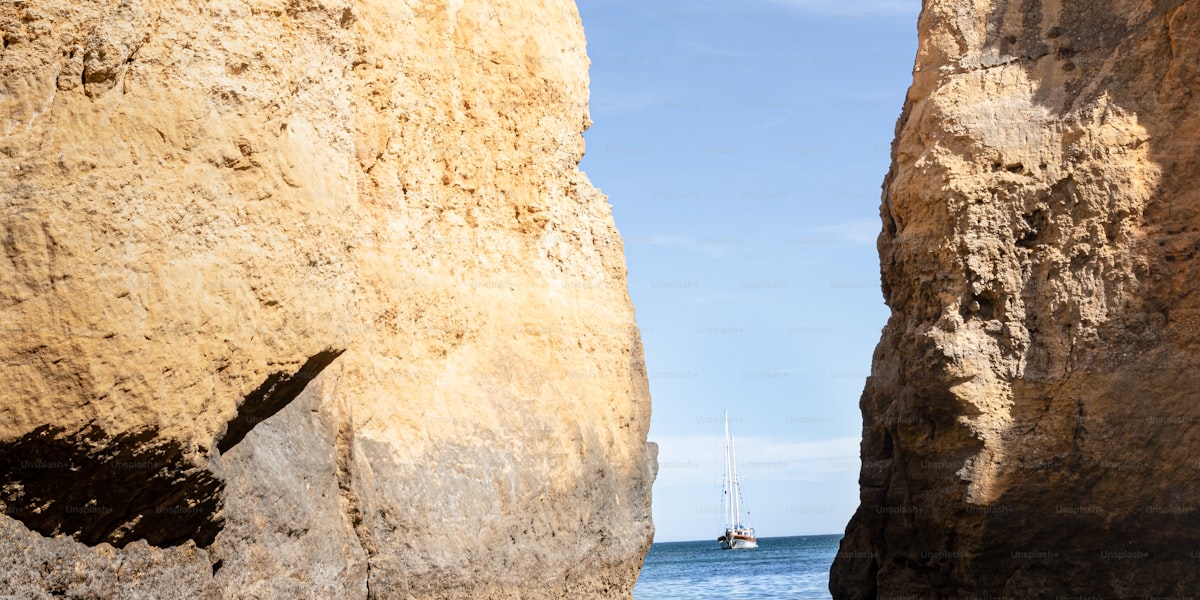
The Algarve is where Europe goes to retire in the sun. Portugal's southernmost region stretches along 150 kilometers of Atlantic coastline, offering dramatic golden cliffs, hidden coves, world-class golf, and over 300 days of sunshine per year. It is home to one of Europe's largest and most established English-speaking expat communities, making the transition from American life smoother than almost any other European destination. For retirees who want beaches, safety, and a genuine path to EU citizenship, the Algarve makes a powerful case.
Why Retirees Choose the Algarve
The Algarve's appeal begins with its climate, which is widely regarded as the best in Europe. Summers are hot and dry with temperatures in the mid-80s, tempered by ocean breezes. Winters are mild, with daytime highs in the upper 50s to low 60s and nighttime lows rarely below 46 degrees. Rain falls primarily from November through February, but even winter days are often sunny. For retirees fleeing harsh Northern winters or oppressive Southern humidity, the Algarve feels like a permanent vacation.
The coastline itself is extraordinary. From the dramatic sea stacks and grottoes near Lagos to the long barrier-island beaches of the Ria Formosa near Faro and Tavira, the variety is remarkable. Inland, the Serra de Monchique mountains offer cooler temperatures, cork oak forests, and traditional hill villages. The entire region has a relaxed, unhurried pace that aligns perfectly with retirement living.
What sets the Algarve apart from other sunny European coasts is the depth of its English-speaking community. Decades of British and Northern European retirement migration have created a well-developed infrastructure of English-language services: doctors, lawyers, real estate agents, social clubs, churches, and even English-language newspapers and radio stations. For American retirees who worry about language barriers, this is an enormous practical advantage.
The D7 Passive Income Visa
The Algarve uses Portugal's national D7 visa, with the same requirements as Lisbon or Porto. You need proof of passive income of at least EUR 920 per month from pensions, Social Security, investments, or rental income. A Portuguese bank account with 12 months of savings is recommended.
The D7 grants a two-year temporary residence permit, renewable for three-year periods. After five years of legal residency, you become eligible for permanent residency and Portuguese citizenship, providing an EU passport. The physical presence requirement is at least 16 months during the first two years. Portuguese language proficiency at A2 level is required for the citizenship application.
In the Algarve, D7 visa processing is handled through the local SEF office in Faro. Wait times have historically been somewhat shorter than Lisbon, and local immigration lawyers with experience handling American retiree applications are readily available.
Key Takeaway
The Algarve's large expat community means you will find English-speaking immigration lawyers, tax advisors, and real estate agents who specialize in helping American retirees through the D7 process. This ecosystem of specialized services makes the Algarve one of the easiest places in Europe for Americans to establish residency.
Healthcare: Adequate Locally, Excellent Regionally
Healthcare in the Algarve is good but more limited than in Lisbon or Porto. The region's main public hospital is Hospital de Faro (Centro Hospitalar Universitario do Algarve), which handles emergency and major procedures. Smaller health centers (centros de saude) are distributed across the region for primary care.
Private healthcare options have grown significantly to serve the expat population. Hospital Particular do Algarve (HPA) has facilities in Faro, Gambelas, and Alvor, offering modern equipment and English-speaking staff. Private consultations cost EUR 50-80, and private insurance plans run EUR 60-250 per month depending on age and coverage.
For complex procedures or specialist consultations not available locally, Lisbon is a 2.5-hour drive or a 45-minute flight, providing access to Portugal's full range of medical expertise. Many Algarve expats maintain relationships with Lisbon-based specialists while using local services for routine care.
Cost of Living: Sun Belt Value
The Algarve's cost of living sits between Lisbon and Porto, with significant variation depending on which town you choose and how close you are to the coast. Housing is the biggest expense: a one-bedroom apartment in Faro or Olhao rents for EUR 700-900 per month. In popular towns like Lagos or Tavira, expect EUR 900-1,200 for a two-bedroom. Upscale areas like Vilamoura, Quinta do Lago, or Vale do Lobo command EUR 1,500-2,500 for villas and premium apartments.
Food is one of the Algarve's great pleasures and values. The region's seafood is exceptional: fresh-caught fish, clams, and the famous cataplana (seafood stew cooked in a copper pot) are regional staples. Fish markets in Olhao, Lagos, and Quarteira sell the morning catch at prices that would seem absurd to Americans. A seafood lunch at a local restaurant runs EUR 10-15. Groceries from Pingo Doce, Aldi, or Lidl are 30-40% cheaper than US equivalents.
The main additional cost in the Algarve that city dwellers avoid is a car. Unlike Lisbon or Porto, where public transit covers most needs, the Algarve is spread out and public bus service, while improving, does not match the convenience of city Metro systems. Most retirees find that owning or leasing a car is essential for accessing beaches, shopping, and social activities across the region.
Key Takeaway
Factor in car costs when comparing the Algarve to Lisbon or Porto. A car adds roughly EUR 200-300/month (insurance, fuel, maintenance, parking), but it also opens up the entire coast and makes trips to Spain, Lisbon, and the Alentejo easy. Many retirees consider it essential rather than optional.
Where to Live in the Algarve
Lagos
A historic walled town on the western Algarve with stunning sea caves, a lively old town, and a strong international community. Lagos has the best walkability of any Algarve town, with restaurants, shops, and a marina all within easy reach. It attracts a slightly younger, more active expat crowd. Two-bedroom apartments rent for EUR 900-1,300 per month.
Tavira
Often called the most beautiful town in the Algarve, Tavira sits on the eastern coast with a charming riverside center, Roman bridge, and access to the Ria Formosa barrier islands. It is quieter and more traditionally Portuguese than the central Algarve resort towns. Rents are reasonable: EUR 800-1,100 for a two-bedroom apartment. This is the top choice for retirees who want authenticity over amenities.
Vilamoura and the Golden Triangle
The central Algarve's resort zone, anchored by Vilamoura's marina, golf courses, and casino, caters to a more upscale crowd. The "Golden Triangle" of Vilamoura, Quinta do Lago, and Vale do Lobo is Portugal's most exclusive area, with premium villas, championship golf, and a polished international atmosphere. This is where you will find the highest concentration of English-speaking services and the highest prices, with two-bedroom apartments starting at EUR 1,300-1,800.
Faro and Olhao
Faro, the regional capital, offers the best access to the airport, hospital, and administrative services. It has a pleasant old town and university-driven energy but is not a tourist destination in itself. Neighboring Olhao is a working fishing town with the Algarve's best seafood market and ferry access to barrier-island beaches. Both offer the Algarve's most affordable urban rents: EUR 700-1,000 for a two-bedroom.
Taxes: Same Rules, Different Lifestyle
The Algarve falls under the same Portuguese tax rules as Lisbon and Porto. With the NHR regime gone, residents pay standard progressive income tax on worldwide income up to 53%. The US-Portugal tax treaty protects Social Security from Portuguese taxation, but private pensions may be taxed at standard rates. The same cross-border tax planning advice applies: work with an advisor who understands both systems.
Golf: The Algarve's Secret Weapon
The Algarve has over 40 golf courses, many of them championship caliber, making it one of Europe's premier golf destinations. Courses like Quinta do Lago, Monte Rei, and Amendoeira offer stunning coastal and inland layouts. Green fees range from EUR 40-80 at mid-tier courses to EUR 150-250 at the premium clubs. Annual memberships at local courses can bring the per-round cost down to EUR 20-30, making daily golf a realistic and affordable part of retirement life. For American retirees who love the game, this alone justifies the Algarve over virtually any other European option.
Practical Considerations
Faro International Airport has expanded its route network significantly, with direct flights to major European cities and seasonal connections to the US East Coast. Most American arrivals connect through Lisbon (45-minute flight) or European hubs like London, Paris, or Amsterdam. Internet speeds average 100 Mbps across the region, with fiber available in most towns and improving in rural areas.
The Algarve's biggest drawback is summer tourism. From July through September, coastal towns swell with visitors, traffic congests, and restaurant prices rise. Many long-term expats either embrace the energy or escape to the quieter eastern Algarve or inland villages during peak season. Shoulder seasons (April-June and September-October) offer the best combination of weather, availability, and value.
Is the Algarve Right for You?
The Algarve is the top choice for retirees who prioritize sunshine, beach access, and an English-friendly environment above all else. It works best for those with a monthly budget of $2,000-$3,000, who enjoy golf or water activities, and who want the comfort of a large, established expat community. If you prefer urban culture, walkability, and museums, Lisbon or Porto will satisfy you more. If you want the absolute lowest costs, look to Latin America. But for the best climate in Europe paired with safety, beauty, and a clear path to EU citizenship, the Algarve stands alone.