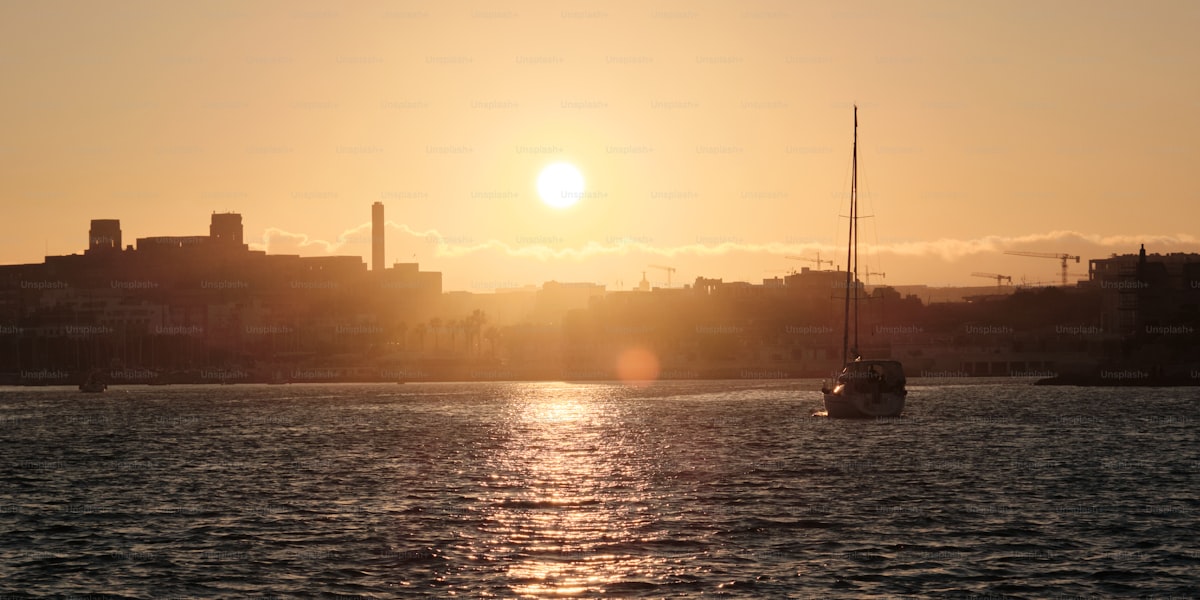
Malta is one of Europe's best-kept retirement secrets. This tiny Mediterranean archipelago, just 60 miles south of Sicily, packs an outsized punch for retirees: English is an official language spoken fluently by nearly everyone, the healthcare system is ranked among the best in the world, and the sun shines over 300 days a year. For Americans seeking European retirement without a language barrier, Malta deserves serious consideration.
Why Retirees Choose Malta
The English factor alone sets Malta apart from nearly every other European retirement destination. While you will hear Maltese spoken among locals, all government services, hospitals, banks, restaurants, and shops operate comfortably in English. Street signs are in English, newspapers are published in English, and your doctor will explain your test results in English. For retirees who have no desire to spend years learning a new language, this is transformative.
Beyond language, Malta delivers a Mediterranean lifestyle with genuine depth. The capital Valletta, a UNESCO World Heritage city built by the Knights of St. John in the 1560s, is one of the most concentrated historic centers in Europe. Honey-colored limestone buildings, baroque churches, and fortified harbors create a dramatic setting for daily life. Yet Valletta is also a thoroughly modern city with excellent restaurants, contemporary art spaces, and a lively cafe culture. The entire country is compact enough that you can drive from one end to the other in under an hour.
Best Areas for Retirees
Sliema and St. Julian's
These neighboring coastal towns north of Valletta are the most popular areas for expats. Sliema offers a long waterfront promenade, excellent shopping at The Point mall, and a good selection of restaurants and cafes. St. Julian's adds a livelier nightlife scene and the upscale Portomaso marina development. One-bedroom apartments range from EUR 800 to EUR 1,400 per month, with sea-view properties commanding a premium. The Sliema-Valletta ferry makes commuting to the capital a scenic 10-minute ride.
Valletta
Living in the capital itself appeals to retirees who love history, architecture, and walkability. Valletta is entirely pedestrian-friendly with everything within a few minutes' walk: the National Library, St. John's Co-Cathedral, Upper Barrakka Gardens, and dozens of restaurants. Apartments in restored palazzo buildings offer character that modern developments cannot match. Expect to pay EUR 1,000 to EUR 1,800 for a one-bedroom in the capital.
Gozo
Malta's smaller sister island offers a quieter, more rural lifestyle at lower prices. Gozo has stunning countryside, excellent diving, and a tight-knit community feel. Property prices and rents are 20 to 30 percent lower than mainland Malta. The trade-off is a more limited selection of shops, restaurants, and services, plus the 25-minute ferry ride to reach the main island. For retirees seeking peace and nature over urban amenities, Gozo is ideal.
Key Takeaway
Sliema offers the best balance of convenience, coastal living, and expat infrastructure for most retirees. If you want character and walkability, choose Valletta. If you want tranquility and lower costs, look at Gozo. Malta is small enough that you can easily explore all options before committing.
The Malta Retirement Programme
Malta's dedicated retirement visa, the Malta Retirement Programme (MRP), is designed for non-EU nationals receiving a pension or stable income. Applicants must demonstrate a minimum annual income of EUR 33,600 (approximately $2,800 per month) and either rent a qualifying property for at least EUR 9,600 per year or purchase property worth at least EUR 275,000. Private health insurance covering Malta is mandatory.
The MRP's key financial benefit is a flat 15% tax rate on foreign income remitted to Malta, with a minimum annual tax payment of EUR 7,500. This is significantly lower than Malta's standard progressive rates, which can reach 35%. The programme provides a residence permit that is renewable annually but does not lead to fast-track citizenship. Malta's standard naturalization path requires 18 years of residency, one of the longest in the EU, though a citizenship-by-exception programme exists for those making significant economic contributions.
Healthcare: World-Class and Accessible
Malta's healthcare system punches well above its weight. The World Health Organization has historically ranked it among the top five healthcare systems globally. The main public hospital, Mater Dei, is a modern 1,000-bed facility that opened in 2007 and provides free or heavily subsidized care to residents. Emergency care is free for everyone.
Private healthcare is also excellent and affordable by Western standards. A specialist consultation typically costs EUR 30 to EUR 60, and private hospitals like St. James and St. Thomas offer modern facilities with short wait times. Health insurance for retirees in their 60s runs EUR 60 to EUR 200 per month depending on coverage level. Virtually all medical professionals speak fluent English, making healthcare navigation completely seamless.
Taxes and Financial Considerations
Under the US-Malta tax treaty, US Social Security benefits are generally taxable only by the United States, which is a significant advantage. Private pension income remitted to Malta falls under the MRP's flat 15% rate. Investment income and other remittances are also taxed at 15% under the programme. Income that is not remitted to Malta is not taxed.
Malta uses the Euro, which eliminates currency exchange complications when traveling across the Eurozone. Banking is straightforward with international banks like HSBC and local institutions like Bank of Valletta offering English-language services. Opening a Maltese bank account is a requirement for the MRP application.
Key Takeaway
The 15% flat tax rate under the Malta Retirement Programme, combined with the US-Malta treaty protecting Social Security from double taxation, creates a favorable tax environment for American retirees whose income comes primarily from pensions and Social Security. Run the numbers with a cross-border tax advisor to compare against other EU options.
Cost of Living
Malta sits in a middle ground for European costs: more expensive than Portugal or Greece, but significantly cheaper than France, Germany, or Scandinavia. A couple can live comfortably on $2,650 to $3,200 per month including rent. Housing is the largest expense, and rents have risen in recent years due to the island's growing popularity with remote workers and financial services professionals.
Food is one of Malta's genuine bargains. A pastizzi (flaky pastry filled with ricotta or peas) costs EUR 0.50 at a local pastizzeria, a solid lunch at a village band club runs EUR 8 to EUR 12, and a three-course dinner at a good restaurant costs EUR 25 to EUR 40 per person. Local wines are surprisingly good and affordable, starting at EUR 5 per bottle. Fresh fish from Marsaxlokk fishing village is outstanding and reasonably priced.
Practical Considerations
Malta's main drawback is its size. At just 122 square miles, the entire country is smaller than most US cities. After the initial excitement of exploring, some retirees find the island feels limited. Summer heat from July through September can be intense, with temperatures reaching 95 degrees F and limited shade due to sparse vegetation. Traffic congestion is surprisingly bad for such a small island, particularly around Sliema and Valletta.
There are no direct flights from the US to Malta, so connections through London, Rome, Frankfurt, or Istanbul add travel time. Total journey from Miami is typically 11 to 13 hours. Internet speeds average 120 Mbps, adequate for streaming and video calls but behind the fastest European countries. Medicare does not work in Malta, making private health insurance essential.
Is Malta Right for You?
Malta is the ideal choice for American retirees who want European Mediterranean living with zero language barrier. If English-speaking healthcare, strong safety, EU membership, and over 300 days of sunshine are your priorities, and you can tolerate a small island environment, Malta offers a combination that no other European destination matches. It works best for retirees with income above $2,500 per month who value convenience and cultural richness over wide-open spaces.