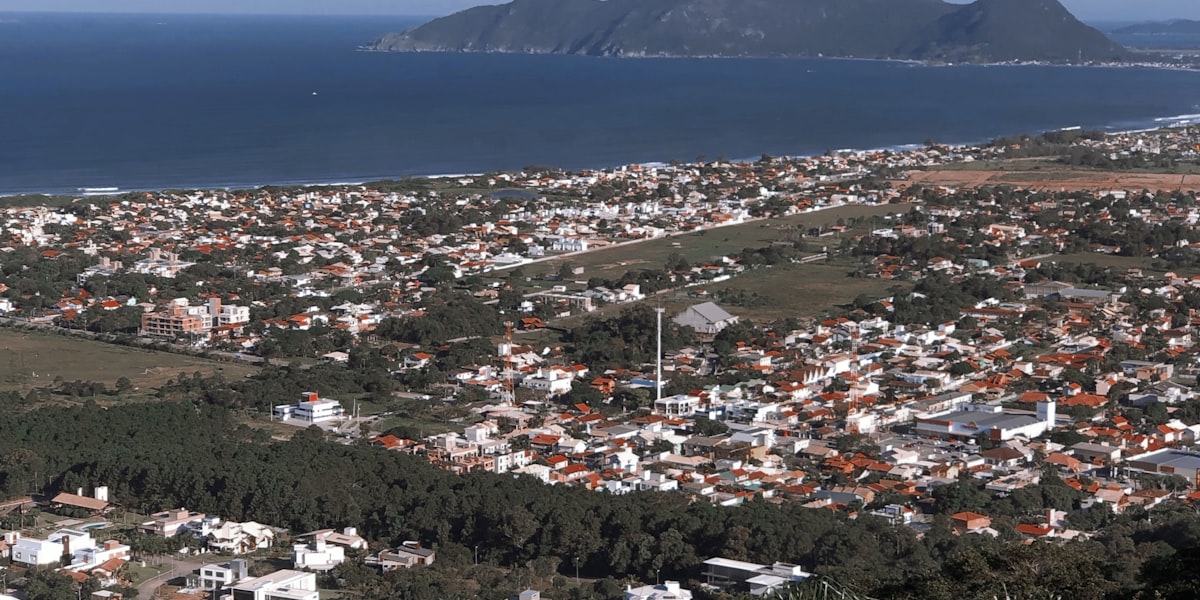
Florianopolis is the retirement destination for those who dream of a beach lifestyle without the tourist-trap compromises. This island city off Brazil's southern coast offers 42 beaches ranging from world-class surf breaks to calm family lagoons, a subtropical climate that delivers warm summers and mild winters, and a quality of life consistently ranked among Brazil's highest. For American retirees willing to learn Portuguese and navigate Brazil's tax system, "Floripa" offers a combination of natural beauty and modern living that is genuinely hard to find anywhere else.
Why Retirees Choose Florianopolis
Florianopolis occupies a unique position in Brazil. Unlike the tropical megacities of Rio de Janeiro or Sao Paulo, Floripa is a mid-sized city of about 500,000 on an island connected to the mainland by bridges. It is the capital of Santa Catarina, one of Brazil's wealthiest and safest states, with a human development index comparable to European countries.
The island itself is stunningly diverse. The east coast faces the open Atlantic with powerful surf beaches like Joaquina and Praia Mole. The north coast has calm, warm waters and upscale resort areas like Jurere Internacional. The south is quieter and more rustic, with fishing villages and pristine stretches of sand. The interior holds the Lagoa da Conceicao, a massive saltwater lagoon surrounded by restaurants, bars, and outdoor activity centers. In a single day, you can surf in the morning, paddleboard on the lagoon at lunch, and watch the sunset from a quiet southern beach.
The climate is subtropical rather than tropical, which many retirees prefer. Summers (December through March) are warm and humid with temperatures in the low to mid-80s. Winters (June through August) are mild, with daytime highs around 65 and occasional cool nights in the low 50s. There is no extreme heat, no hurricanes, and no prolonged cold snaps.
The Retirement Visa
Brazil offers a specific retirement visa (VITEM V) for foreign nationals who can demonstrate a permanent monthly income of at least $2,000 USD from pension, Social Security, or retirement accounts. The income must be transferable to Brazil through official banking channels. Applicants generally must be at least 60 years old or formally retired.
The visa grants a temporary residence permit, typically valid for one year and renewable. After four years of continuous legal residency, you can apply for permanent residency. Brazilian citizenship is available after four years of permanent residency (or one year if married to a Brazilian citizen), making Brazil one of the faster naturalization paths for retirees who pursue it.
The bureaucratic process is thorough but manageable with the help of a local immigration lawyer (despachante). Expect to provide apostilled documents, Brazilian police clearances, proof of income, and a health certificate. Processing times vary but typically take 60-90 days.
Key Takeaway
Brazil's retirement visa income requirement of $2,000/month is higher than Ecuador or Panama, but still accessible for most Americans receiving Social Security plus any supplemental retirement income. The real challenge is not qualifying but navigating Brazil's detailed paperwork requirements, so budget for a good immigration lawyer.
Healthcare: Public Access, Private Speed
Brazil's public healthcare system, the Sistema Unico de Saude (SUS), is available to all residents, including foreigners with legal residency, completely free of charge. SUS covers everything from doctor visits to surgeries and prescription medications. In Florianopolis specifically, the public system is better managed than in many Brazilian cities, with well-equipped Unidades de Pronto Atendimento (UPAs) for urgent care and the Hospital Universitario for more complex procedures.
That said, most expats with the budget for it supplement SUS with private health insurance. Wait times in the public system can be long for specialists and non-emergency procedures. Private plans from Unimed, Bradesco Saude, or SulAmerica cost $150-$350 per month depending on age and coverage, providing access to excellent private hospitals like Hospital Baia Sul and Hospital de Caridade with minimal wait times.
Medical costs in Brazil are substantially lower than the US even in the private system. A specialist consultation runs $40-$70. Dental cleanings cost $30-$50. Prescription medications are typically 50-70% cheaper than US prices. For anything beyond Florianopolis's capacity, Sao Paulo (a 1-hour flight) has some of Latin America's best medical facilities, including Hospital Albert Einstein.
Cost of Living: Beach Life on a Budget
Florianopolis offers remarkable value for a beachside lifestyle. Housing costs vary dramatically by location on the island. A one-bedroom apartment in Centro (the mainland-connected urban core) or Coqueiros rents for $400-$600 per month. In the desirable Lagoa da Conceicao area, expect $650-$950 for a two-bedroom. Beachfront properties in Jurere Internacional command premium prices of $1,200-$2,000 but come with resort-style amenities.
Food is one of Brazil's great pleasures, and Floripa is no exception. The city's per-kilo (self-service buffet) restaurants are a retiree's best friend: you fill your plate from a lavish spread of salads, grilled meats, seafood, and sides, then pay by weight, typically $4-$7 for a full meal. Supermarket groceries are reasonable, with excellent tropical fruits, fresh seafood, and Brazilian staples like rice, beans, and farofa at very low prices. Dining at a good seafood restaurant runs $15-$25 per person.
The Brazilian Real's exchange rate against the US dollar has been favorable for Americans in recent years, typically hovering around 5-6 BRL per USD. This exchange rate amplifies the purchasing power of dollar-denominated retirement income significantly.
Key Takeaway
The favorable USD-to-BRL exchange rate means your Social Security and pension income stretches further than the raw numbers suggest. A couple spending $1,900/month in Floripa enjoys a lifestyle with beach access, regular dining out, and private healthcare that would cost $4,000-$5,000 on a US coastline.
Where to Live in Florianopolis
Lagoa da Conceicao
The social heart of the island, Lagoa is centered around a large saltwater lagoon with restaurants, bars, and outdoor sports. It is the most popular area for expats and younger retirees who want an active lifestyle. The energy here is vibrant, with kitesurfing, paddleboarding, and hiking all accessible. Two-bedroom apartments rent for $650-$950 per month.
Centro and Coqueiros
The urban mainland-connected core offers the best access to supermarkets, healthcare facilities, banks, and public transit. Coqueiros, just across the bridge, has a pleasant waterfront promenade and a neighborhood feel. This is the most practical base for retirees who prioritize convenience over beach proximity. One-bedrooms start at $400-$600.
Campeche and Armacao
The south of the island is quieter and more residential, with beautiful beaches and a laid-back atmosphere. Campeche has grown rapidly and offers good restaurants and services while maintaining a village feel. This area works well for retirees who want beach access without the tourist crowds. Two-bedroom houses rent for $600-$900.
Taxes: The Main Complexity
Brazil's tax situation is the most significant financial consideration for American retirees. Brazil taxes worldwide income for tax residents at progressive rates up to 27.5%. There is no US-Brazil tax treaty, which means preventing double taxation relies on Brazil's unilateral foreign tax credit system. In practice, you can credit taxes paid to the US against your Brazilian tax liability on the same income, but the process requires careful planning.
US Social Security and pension income are technically subject to Brazilian income tax, but the foreign tax credit for US taxes paid on that income usually eliminates or reduces the Brazilian liability. Working with both a US-based and Brazil-based tax advisor is strongly recommended. The annual tax filing deadline in Brazil is typically the end of April.
Practical Considerations
Portuguese is essential for daily life in Florianopolis. Unlike some tourist-heavy destinations, English is not widely spoken here, even in restaurants and shops. Many retirees take Portuguese classes at local language schools ($8-$15 per hour for private tutoring) and find the language rewarding to learn, particularly given how social and welcoming Brazilians are.
Getting to Florianopolis from the US requires a connection, typically through Sao Paulo (Guarulhos) or occasionally Bogota. Total travel time from Miami is 9-10 hours including the connection. The island's airport, Hercilio Luz International, has been modernized and handles domestic flights to all major Brazilian cities.
Summer traffic on the island (January and February especially) can be severe, as Brazilian vacationers flock to the beaches. Many expat retirees avoid driving during peak season and use the less-crowded southern beaches. Having a car is helpful for exploring the island's diverse beaches, though the bus system covers major routes.
Is Florianopolis Right for You?
Florianopolis is the best fit for retirees who prioritize beach lifestyle and natural beauty, enjoy Brazilian culture and are willing to learn Portuguese, and have a monthly budget of at least $1,500-$2,000. It works particularly well for active retirees who surf, hike, or enjoy water sports. If you need English-speaking communities, tax simplicity, or direct US flights, other destinations may be more practical. But for those who fall in love with Brazil's warmth, both climatic and cultural, Floripa offers a retirement that feels like a permanent vacation on one of the most beautiful islands in the Americas.