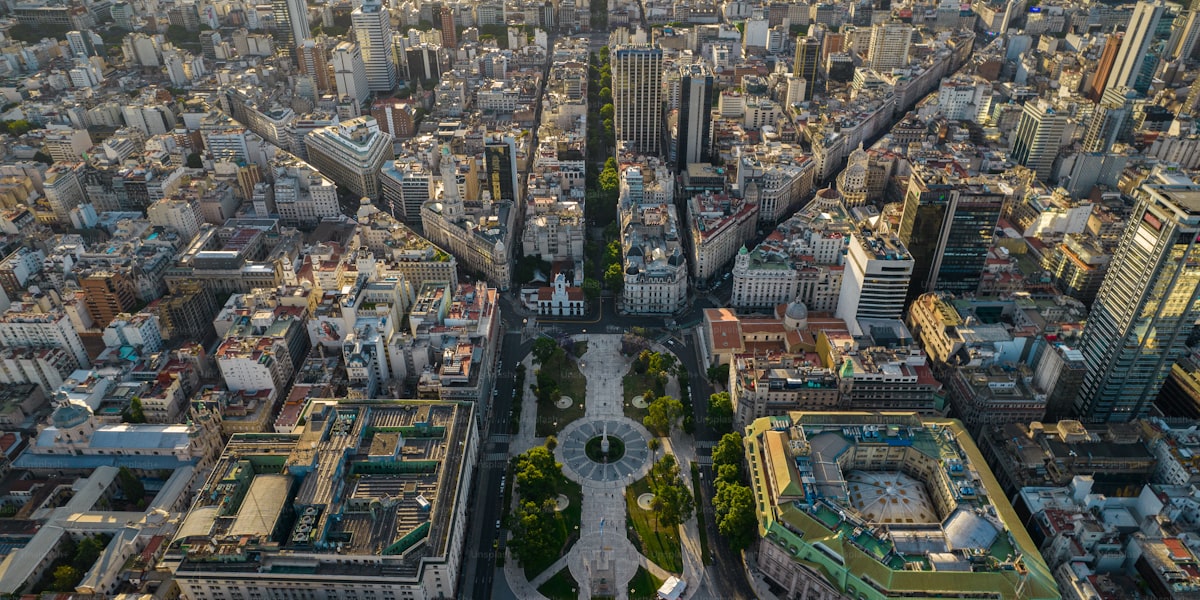
Buenos Aires is not just a city - it is an experience. The capital of Argentina offers American retirees something no other affordable destination can match: a genuinely world-class cosmopolitan lifestyle at developing-world prices. With the Argentine peso's dramatic devaluation, retirees converting dollars find themselves living like royalty - dining at internationally acclaimed restaurants for $30 per person, attending world-class opera at Teatro Colon for $10, and renting beautiful Palermo apartments for $900/month. If you have ever dreamed of living in Paris but on a pension budget, Buenos Aires is your answer.
Key Takeaway
Buenos Aires offers the most dramatic dollar-to-lifestyle ratio of any world capital. A couple can live a rich cultural life with fine dining, theater, and a Palermo apartment for $2,130/month - a lifestyle that would cost $6,000-$8,000 in any comparable European city. The 2-year path to citizenship is among the world's fastest, though Argentina's economic volatility requires a tolerance for uncertainty.
Why Buenos Aires Captivates Retirees
Buenos Aires was built to impress. The wide boulevards, Beaux-Arts architecture, and grand plazas were modeled on Paris during Argentina's late-19th-century golden age, and the European DNA remains visible in every neighborhood. But what makes it magnetic for retirees today is the convergence of world-class culture with extraordinary affordability created by Argentina's ongoing currency devaluation.
The numbers are striking. A prix fixe dinner with wine at a top Palermo restaurant runs $20-$35. A month of unlimited tango classes costs $40. A private Spanish tutor charges $8-$12/hour. A full-body massage at a professional spa costs $15. Teatro Colon - one of the world's five great opera houses - sells tickets starting at $5-$10. For retirees who value cultural richness and intellectual stimulation, Buenos Aires delivers experiences that money cannot buy in most retirement destinations, at prices that barely dent a modest budget.
Healthcare: World-Class and Remarkably Affordable
Argentina's healthcare system is one of the best in Latin America, and Buenos Aires is its epicenter. The city has more hospitals per capita than most major world cities, and the quality of care at top institutions rivals the United States.
Top Hospitals
Hospital Italiano de Buenos Aires is the crown jewel - a teaching hospital and research center consistently ranked among the top five in Latin America. Fundacion Favaloro, founded by the Argentine cardiac surgeon who pioneered coronary bypass surgery, is a world leader in cardiovascular care. Hospital Aleman and Hospital Britanico round out the top tier with excellent general and specialty care.
Insurance: The Prepaga System
Argentina's private health insurance system (prepagas) offers comprehensive coverage at prices that stun American retirees. OSDE, Swiss Medical, and Galeno are the leading providers. A mid-tier OSDE 310 plan costs approximately $150-$200/month per person and provides access to all major hospitals, specialists, prescriptions, dental, and vision. Premium OSDE 450 plans at $250-$350/month add concierge-style service with minimal wait times. A specialist visit copay is typically $5-$10.
Key Takeaway
A couple paying $400/month for mid-tier OSDE prepaga coverage gets comprehensive healthcare including dental, vision, and specialist access at hospitals that rank among Latin America's best. The annual cost of $4,800 covers virtually everything - compare that to the $12,000-$15,000 average annual healthcare cost for a retired U.S. couple on Medicare with supplemental insurance.
Where to Live in Buenos Aires
Palermo
The largest and most popular neighborhood for expats, Palermo is divided into sub-neighborhoods each with distinct character. Palermo Soho offers boutique shopping, sidewalk cafes, and tree-lined streets. Palermo Hollywood has the restaurant and bar scene. Palermo Chico borders the parks and museums. Two-bedroom furnished apartments in Palermo rent for $700-$1,200/month - a fraction of what a comparable Brooklyn or Portland neighborhood would cost.
Recoleta
Buenos Aires' most elegant neighborhood, Recoleta feels like the 7th arrondissement of Paris with its Haussmann-style buildings, manicured parks, and the famous Recoleta Cemetery. This is where old-money Buenos Aires lives, and the architecture is stunning. Two-bedroom apartments rent for $800-$1,500/month. Recoleta appeals to retirees who prefer refined sophistication over Palermo's trendy energy.
Belgrano
A quieter, more residential neighborhood popular with families, Belgrano offers a village-within-a-city feel with its own commercial center, Chinatown, and beautiful Barrancas de Belgrano park. Rentals run $600-$1,000/month for two bedrooms. Belgrano is ideal for retirees seeking neighborhood calm with easy access to the city center via the Subte metro.
San Telmo
The bohemian heart of Buenos Aires, San Telmo is famous for its Sunday antique market, tango clubs, and colonial architecture. This is the most affordable central neighborhood, with one-bedrooms starting at $400-$600/month. San Telmo has more edge and character than Palermo or Recoleta, appealing to retirees with an artistic sensibility who do not mind a grittier urban texture.
The Visa Process and Currency Realities
Argentina's Rentista visa requires proof of monthly income of approximately $2,500 USD from investments, pension, or retirement accounts. The process takes 3-6 months and involves some bureaucracy that tests patience. However, Argentina offers one of the fastest paths to citizenship in the world - after just 2 years of legal residency, you can apply for Argentine citizenship. Argentina allows dual citizenship, so you retain your U.S. passport.
The elephant in the room is Argentina's economic volatility. Chronic inflation (running 50-200% annually in recent years) and a complex system of official and parallel exchange rates create both opportunity and uncertainty. Retirees receiving income in U.S. dollars benefit enormously from the favorable exchange rate, but the situation changes frequently. The practical advice: keep your savings in U.S. dollar accounts, convert to pesos only as needed for local expenses, and stay informed about the current exchange rate landscape. Many expats use the MEP (Mercado Electronico de Pagos) or crypto-based transfer services to get the best rates.
Tax Considerations
Argentina taxes residents on worldwide income, which sounds alarming but has important nuances for retirees. Foreign pension and Social Security income are generally handled favorably. However, investment income from U.S. accounts may be subject to Argentine income tax at rates up to 35% once you establish tax residency (after 12 months). There is no U.S.-Argentina tax treaty. Given the complexity, working with an Argentine contador (accountant) experienced with expat finances is not optional - it is essential. Expect to pay $50-$100/month for ongoing tax advisory services.
Daily Life in the Paris of South America
Buenos Aires runs on a rhythm that delights retirees. Dinner does not start until 9 or 10 PM. Cafes are packed at all hours with people reading newspapers and debating politics. Tango milongas welcome dancers of all ages and skill levels every night of the week. The city's bookstores - including El Ateneo Grand Splendid, a converted theater that is one of the most beautiful bookstores in the world - reflect a culture that values ideas and conversation.
The Subte metro system covers the main neighborhoods, taxis are cheap (a cross-city ride runs $3-$5), and Uber operates despite a legal gray area. The bus system (colectivos) is extensive but confusing for newcomers. Most retirees in central neighborhoods find they can walk to everything they need daily.
Spanish is necessary, though Buenos Aires has more English speakers than most South American cities. Rioplatense Spanish uses "vos" instead of "tu" and has Italian-influenced intonation that takes some adjustment even for Spanish speakers from other regions.
Key Takeaway
Buenos Aires is the retirement destination for retirees who value culture, intellectual stimulation, and cosmopolitan living above predictability. The lifestyle-to-cost ratio is unmatched anywhere in the world right now, and the 2-year citizenship path adds long-term optionality. The tradeoff is economic uncertainty that requires financial flexibility and a tolerance for change. If you can keep your income in dollars and your mindset adaptable, Buenos Aires rewards you with one of the richest daily lives available anywhere on earth. Run the numbers on Bullseye Retirement to see how Argentine living costs transform your retirement projections.