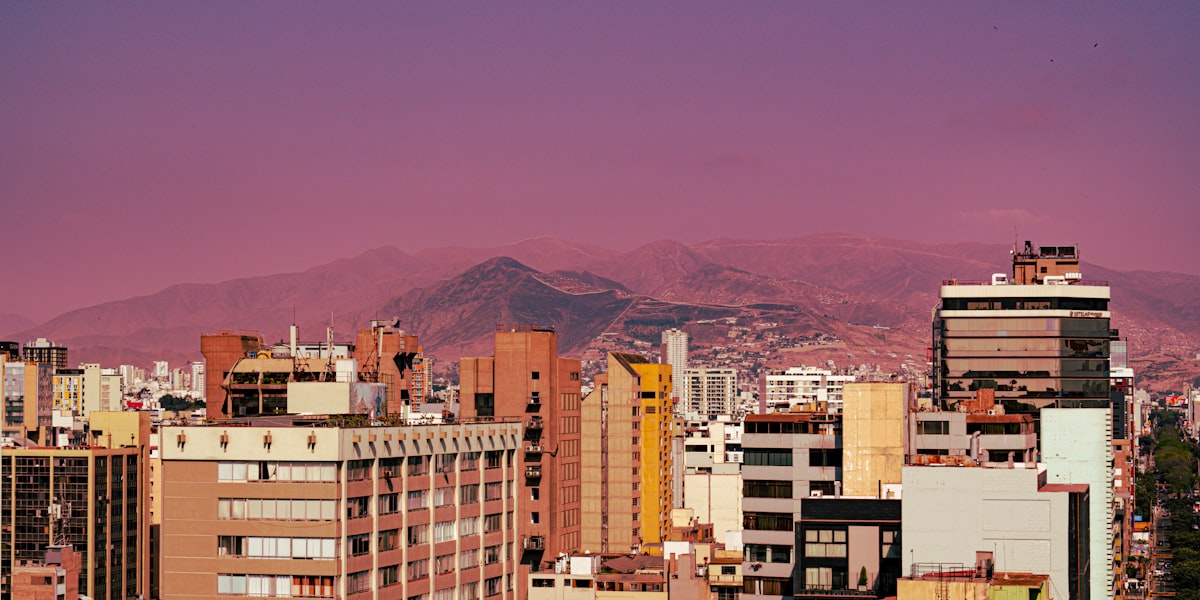
Lima, Peru has quietly become one of the most compelling retirement destinations in South America, powered by two unlikely forces: food and value. This sprawling capital of 10 million people on the Pacific coast is now widely recognized as the gastronomic capital of the Americas, with more restaurants on the World's 50 Best list than any other city in the Western Hemisphere. For American retirees, this culinary paradise comes with modern neighborhoods, excellent private healthcare, a mild coastal climate that never requires heating or A/C, and a cost of living that lets couples live comfortably on $2,000-$2,500 per month. Add a 2-year path to citizenship and a straightforward visa process, and Lima deserves a serious look.
Key Takeaway
Lima offers the world's best food scene at prices that make American retirees feel like they have won the lottery - a multi-course meal at a top cevicheria runs $15-$20. The Miraflores neighborhood provides a safe, walkable, oceanfront lifestyle at $2,210/month for a couple, with excellent private healthcare and a $1,000/month visa requirement. The winter fog (garua) is the main climate tradeoff.
Why Lima Keeps Climbing the Retirement Rankings
Lima was long overlooked by retirees who associated Peru with Machu Picchu rather than modern urban living. That perception has changed dramatically. The Miraflores and San Isidro districts are among the most livable urban neighborhoods in South America - safe, walkable, beautifully maintained, and perched on cliffs overlooking the Pacific Ocean. The Malecon, a clifftop promenade stretching for miles along the coast, is filled with parks, sculptures, paragliders, and joggers at all hours.
The food factor cannot be overstated. Lima is home to Central, ranked among the top 5 restaurants in the world, as well as Maido, Astrid y Gaston, and dozens of other internationally acclaimed establishments. But what makes it a retiree paradise is that extraordinary cuisine extends to every price point. A plate of fresh ceviche at a neighborhood cevicheria costs $5-$8. A menu del dia set lunch with soup, main course, drink, and dessert runs $2-$4. The Surquillo market overflows with tropical fruits, fresh seafood, and produce at prices that make American grocery costs seem absurd.
Healthcare: Strong and Affordable
Lima's private healthcare system has grown significantly in quality over the past decade, with several hospitals now comparable to good U.S. regional medical centers.
Top Hospitals
Clinica Anglo Americana, founded by the British-American community, is the most popular choice among expats with English-speaking staff and modern facilities in San Isidro. Clinica Ricardo Palma in Miraflores offers comprehensive services with a strong emergency department. Clinica San Felipe and Clinica Internacional round out the top tier. For dental care, Lima has become a dental tourism destination with costs 60-80% below the United States.
Insurance and Costs
Private insurance through Rimac Seguros, Pacifico, or Mapfre costs $80-$200/month depending on age and coverage tier. A specialist consultation runs $25-$60. An MRI costs $100-$250. Major procedures like hip replacements run $8,000-$15,000 versus $30,000-$50,000 in the United States. The SIS public system provides basic coverage but most retirees opt for private insurance to access the better facilities and shorter wait times.
Key Takeaway
Clinica Anglo Americana and Clinica Ricardo Palma provide excellent English-friendly healthcare at costs that average 70% below comparable U.S. care. A couple spending $360/month on mid-tier private insurance ($4,320/year) gets comprehensive coverage that would cost $12,000-$15,000 annually in the United States, including dental and vision.
Where to Live in Lima
Miraflores
The undisputed top choice for expat retirees, Miraflores is Lima's showcase district. Clifftop parks overlooking the Pacific, the Kennedy Park with its famous cat colony, excellent restaurants at every price point, safe streets, and a walkable layout make it feel more like a Mediterranean seaside town than a South American capital. Two-bedroom furnished apartments rent for $800-$1,200/month. Miraflores has the highest concentration of English speakers, international restaurants, and expat services.
Barranco
Lima's bohemian district adjacent to Miraflores, Barranco is home to galleries, street art, live music venues, and the famous Bridge of Sighs (Puente de los Suspiros). The neighborhood has a creative, slightly edgy energy that appeals to retirees with artistic interests. One-bedroom apartments start at $600-$900/month. Barranco's oceanfront properties, while pricier, offer some of the most dramatic views in Lima.
San Isidro
Lima's financial district is also one of its greenest and most upscale residential neighborhoods. The Olivar Park, a stunning olive grove in the heart of the district, provides a serene center point. San Isidro is quieter and more corporate than Miraflores, with excellent dining and premium apartment buildings. Two-bedroom rentals run $900-$1,500/month. This neighborhood works best for retirees who prefer understated elegance over Miraflores' tourist energy.
Jesus Maria and Pueblo Libre
These middle-class districts offer the best value for budget-conscious retirees. Well-connected by public transit to Miraflores and San Isidro, they provide safe, residential neighborhoods with local markets, parks, and genuine Lima neighborhood life. One-bedroom furnished apartments start at $400-$600/month. These districts require more Spanish fluency as English is less common.
The Visa Process: Straightforward and Fast
Peru's Rentista (retiree) visa requires proof of permanent monthly income of at least $1,000 USD from pension, Social Security, or investment returns. The visa is initially granted for one year and is renewable. Required documents include a criminal background check, health certificate, and income verification from your bank or Social Security Administration.
The path to citizenship is remarkably fast. After just 2 years of legal residency, you can apply for Peruvian citizenship. Peru allows dual citizenship, so you keep your U.S. passport. The combination of a low income requirement and fast citizenship timeline makes Peru one of the most accessible retirement destinations in South America.
Tax Considerations
Peru's tax system provides a favorable landing for new retirees. For the first three years of residency, you are considered "non-domiciled" and taxed only on Peru-sourced income - your U.S. Social Security, pension, and investment income are not taxed. After three years, you may become "domiciled" and potentially subject to tax on worldwide income, though foreign pension and Social Security income generally remain exempt under Peruvian law. There is no U.S.-Peru tax treaty. Working with a Peruvian tax advisor is recommended to optimize your status, particularly around the domicile transition.
The Lima Climate: Understanding the Garua
Lima's climate is unique and occasionally misunderstood. The city sits on a coastal desert and receives almost no rain - ever. However, from May through November, a marine fog layer called the garua blankets the city in persistent gray overcast. Temperatures stay mild (58-68 degrees Fahrenheit) but the lack of sunshine for months at a time affects some people's mood and energy. Retirees from the Pacific Northwest may feel right at home; those from sunny Florida may struggle.
The good news is that summer (December through April) brings warm sunshine, blue skies, and temperatures in the mid-to-upper 70s. Many Lima retirees plan their travel during the garua months, heading to Cusco, Arequipa, or northern Peru where sunshine is plentiful. The year-round mildness means you never need heating or air conditioning, keeping utility costs remarkably low.
Daily Life in Lima
Lima's daily rhythm revolves around food. Breakfast at a local panaderia, a mid-morning emoliente (herbal drink) from a street vendor, a long almuerzo lunch, afternoon coffee at a Miraflores cafe, and dinner at one of the thousands of restaurants that range from $3 cevicherias to world-ranked fine dining. The culinary culture is deeply social and provides an immediate entry point into Peruvian life.
Traffic is Lima's biggest practical challenge. The city of 10 million has outgrown its road infrastructure, and cross-city commutes can take 1-2 hours during rush hour. Most retirees solve this by living in Miraflores or Barranco where daily needs are walkable, and using Uber (very cheap at $3-$6 for most trips) for destinations outside the neighborhood. The Metropolitano BRT and Metro Line 1 provide fast transit on fixed routes.
Spanish is necessary for daily life, though Miraflores has the most English speakers of any neighborhood. Peruvian Spanish is considered one of the clearest and most neutral accents in Latin America, making Lima an excellent place to learn or improve your Spanish. Private tutors charge $8-$15/hour.
Key Takeaway
Lima is the ideal retirement destination for food-loving retirees who want coastal living, excellent healthcare, and strong dollar purchasing power without the intense heat of Caribbean destinations. At $2,210/month for comfortable living with a 2-year citizenship path and $1,000/month visa threshold, the numbers work exceptionally well. The garua fog season is the honest tradeoff - plan around it or embrace it. Run your retirement projections on Bullseye Retirement to see how Lima's affordable lifestyle extends your portfolio.