No passport. No visa application. No currency exchange. No worrying about whether your Medicare card works. San Juan, Puerto Rico, is the only Caribbean retirement destination where you simply pack your bags and move — with every single U.S. benefit, banking system, and legal protection intact. You keep your Social Security direct deposit, your Medicare coverage, your Amazon Prime deliveries, and your constitutional rights, all while living on a tropical island with 500 years of colonial history, world-class hospitals, and salsa music drifting through cobblestone streets.
Key Takeaway
San Juan is the easiest Caribbean retirement move for Americans, period. Medicare works, U.S. banking works, no visa needed. A couple can live comfortably on $3,500-$4,500 per month. The trade-offs are higher costs than most international destinations and hurricane exposure — but for retirees who want tropical living without leaving the U.S. system, nothing else compares.
Where Retirees Live
Metro San Juan spans several distinct neighborhoods, each offering a different lifestyle and price point. The right choice depends on whether you prioritize beach access, cultural immersion, walkability, or value.
Condado
Condado is San Juan's most popular neighborhood for American retirees, and for good reason. This oceanfront strip between the lagoon and the Atlantic feels like a tropical Miami Beach — high-rise condos with ocean views, upscale restaurants, Walgreens and CVS on the corner, and a walkable beachfront promenade. Two-bedroom condos with pool and security rent for $1,500-$2,500 per month. The hospitals, banks, and airport are all within a 15-minute drive. If you want the easiest possible transition from mainland life, Condado delivers.
Old San Juan
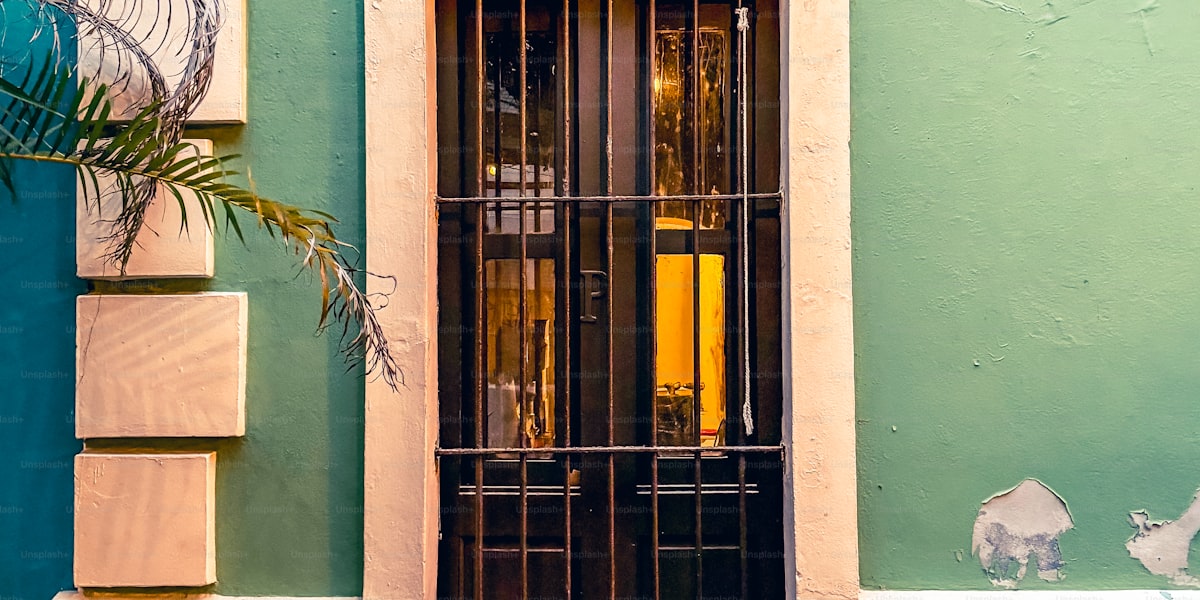
For retirees who value history and character over modern convenience, Old San Juan is magnetic. The 500-year-old walled city with its blue cobblestone streets, colonial fortresses, and vibrant plazas offers a walking lifestyle unlike anywhere else in the Caribbean. Apartments in restored colonial buildings run $1,200-$2,200 per month. The trade-offs are limited parking, steep hills, and cruise-ship tourist crowds during the day. But evenings, when the day-trippers leave and the plazas fill with locals, Old San Juan is genuinely magical.
Isla Verde
Adjacent to the airport, Isla Verde offers a quieter beach alternative to Condado with slightly lower rents. The beach here is arguably the finest in metro San Juan — wide, clean, and less crowded. High-rise condos with ocean views rent for $1,300-$2,200 per month. It is more residential and less walkable than Condado, but retirees who prioritize beach quality over restaurant variety often prefer it.
Santurce
San Juan's arts district has transformed into one of the most dynamic neighborhoods in the Caribbean. Murals cover entire building facades, the food scene rivals any mid-size U.S. city, and the La Placita market square becomes an open-air party every Thursday and weekend night. Rents are the most affordable in metro San Juan — $900-$1,500 for a good one- or two-bedroom. Retirees who are culturally curious and socially active thrive here.
Healthcare: The Decisive Advantage
This is where San Juan separates itself from every other Caribbean retirement destination. Medicare works here — fully. Medicare Advantage plans are available from major insurers including Humana, Triple-S, and MMM. You can walk into Auxilio Mutuo Hospital or Ashford Presbyterian Community Hospital and present your Medicare card exactly as you would at a hospital in Florida or New York.
The medical infrastructure is substantial. Centro Medico, the island's largest medical complex in Rio Piedras, houses the trauma center, cancer center, and teaching hospital. Auxilio Mutuo is a private hospital with a strong reputation for cardiac care and oncology. Ashford Presbyterian in Condado offers convenient, high-quality care steps from where most expat retirees live.
For retirees with existing health conditions, ongoing medication needs, or who simply value the security of knowing their insurance works seamlessly, this advantage alone may justify the higher cost of living compared to international alternatives.
Key Takeaway
San Juan is the only Caribbean destination where Medicare works. Keep your existing Medicare plan or enroll in a Puerto Rico-specific Medicare Advantage plan. Your prescriptions transfer, your doctors can consult with specialists on the mainland, and emergency care follows the same protocols you know from the U.S.
Taxes: Complicated but Potentially Favorable
Puerto Rico's tax situation is unique and requires careful planning. Bona fide residents of Puerto Rico do not pay federal income tax on Puerto Rico-sourced income. Social Security benefits are fully exempt from Puerto Rico's income tax. However, pension distributions and IRA/401k withdrawals from the mainland are subject to Puerto Rico's income tax at rates up to 33%.
Act 60 (formerly Acts 20 and 22) offers significant tax incentives for certain types of income, particularly investment income and business profits, but the rules are specific and require genuine residency establishment. A qualified Puerto Rico tax advisor is essential before the move — expect to pay $500-$2,000 for a comprehensive analysis of your specific situation. The potential savings can be substantial for retirees with significant investment income.
Daily Life
The adjustment from mainland life is remarkably smooth. You shop at Costco, Walmart, and Walgreens. You use your existing U.S. bank accounts and credit cards without foreign transaction fees. USPS delivers your mail. Amazon ships to your door (though delivery times are slightly longer). Your cell phone plan works on the same networks. You file one tax return instead of two.
What changes is the rhythm. Life moves at a Caribbean pace. Government offices and businesses may operate on "island time." The tropical heat shapes your daily schedule — errands in the morning, siesta or beach in the afternoon, socializing in the cooler evening. The food scene is exceptional, blending Puerto Rican mofongo and lechon with international cuisine. A dinner for two at a good Santurce restaurant costs $40-$70.
What Retirees Love
- Zero transition friction. No visa, no currency exchange, no language requirement (though Spanish helps enormously), no learning a new legal or banking system. You move as easily as you would to another U.S. state.
- Medicare continuity. The peace of mind of knowing your health insurance works completely — prescriptions, specialists, emergencies, everything — is irreplaceable for many retirees.
- Cultural richness. Old San Juan's history, Santurce's arts scene, live salsa, annual festivals like San Sebastian and Fiestas de la Calle, and a food culture that ranks among the best in the Caribbean.
- Proximity. A 2.5-hour flight from Miami, 3.5 hours from New York. You can visit grandchildren on the mainland for a weekend without the complexity of international travel.
What to Watch Out For
- Hurricane exposure. This is the most serious concern. Hurricane Maria in 2017 caused catastrophic damage and months-long power outages. Hurricane Fiona in 2022 caused significant flooding. A backup generator or solar system is a wise investment.
- Power grid reliability. LUMA Energy, the private company managing the grid, still struggles with outages. Many residents invest $3,000-$10,000 in generator or solar backup systems.
- Higher costs. Because Puerto Rico operates within the U.S. economic system, costs are significantly higher than international Caribbean or Latin American destinations. Groceries, housing, and services reflect U.S.-adjacent pricing.
- Crime in certain areas. Metro San Juan's crime rates exceed U.S. mainland averages in some neighborhoods. Condado, Old San Juan, and Isla Verde are generally safe, but awareness and neighborhood research matter.
Bottom Line
San Juan is the clear winner for American retirees who want Caribbean living without leaving the U.S. system. The combination of Medicare coverage, U.S. banking, no visa requirements, and a rich cultural life is unmatched. You pay more than you would in Panama or Grenada, but you eliminate every friction point that makes international retirement complicated. Use Bullseye's projection tools to model how your Social Security, pension, and investment income map to life in San Juan — and factor in the tax planning that can make Puerto Rico surprisingly advantageous.