Barbados is not the cheapest Caribbean retirement destination, and it does not pretend to be. What this small eastern Caribbean island offers instead is something harder to find: a genuine first-world quality of life on a tropical island with pristine beaches, native English speakers, a stable democratic government rooted in British legal tradition, and an infrastructure that works. For American retirees who can afford a monthly budget starting around $1,900, Barbados delivers a polished, safe, and sophisticated island retirement that few places in the Caribbean can match.
Why Retirees Choose Barbados
Barbados consistently ranks as one of the most developed and stable nations in the Caribbean. The country has a literacy rate above 99 percent, a parliamentary democracy that has operated without interruption since independence in 1966, and infrastructure that includes reliable electricity, clean tap water in most areas, well-maintained roads, and high-speed internet. These fundamentals matter enormously in retirement, when reliability and predictability become essential to peace of mind.
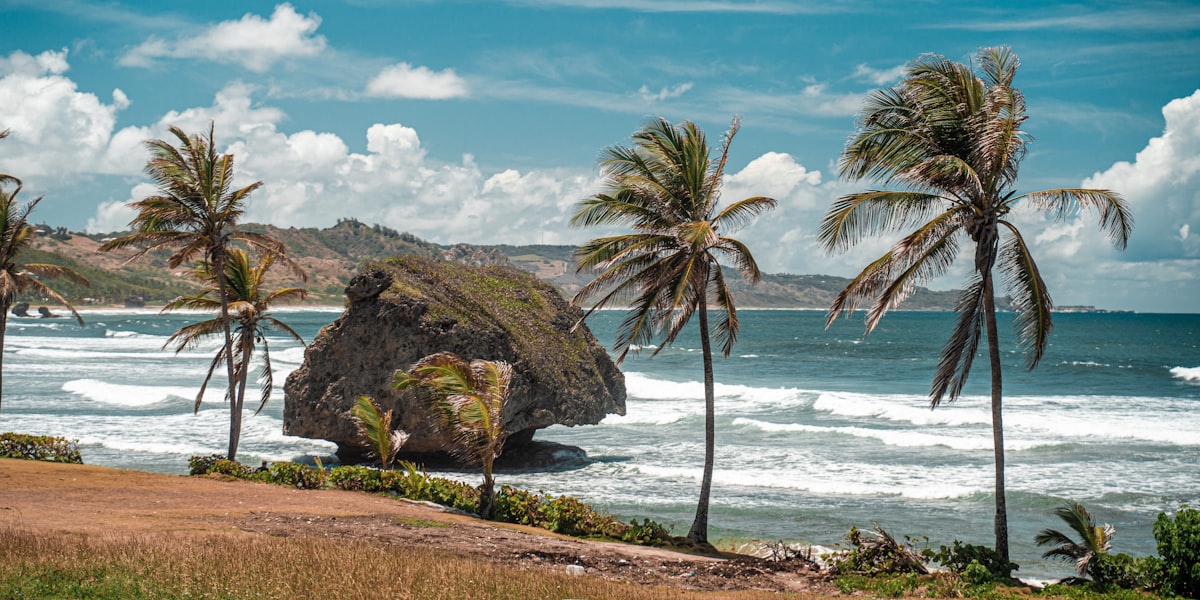
The island's west coast, known as the Platinum Coast, features some of the most beautiful beaches in the world. Calm turquoise waters sheltered by coral reefs create ideal conditions for swimming, snorkeling, and simply sitting with a book under a palm tree. The south coast offers livelier beach bars and better surf. Inland, you find rolling sugar cane fields, historic plantation houses, tropical gardens, and the Harrison's Cave limestone formations. At just 21 miles long and 14 miles wide, everything is accessible within a 45-minute drive.
Key Takeaway
Barbados is the Caribbean retirement destination for people who want things to work. The lights stay on, the water is clean, English is the native language, the government is stable, and the beaches are spectacular. You pay more for this reliability, but for retirees who have had enough surprises in life, the premium is worth it.
Cost of Living: Premium Caribbean Pricing
Housing
Housing in Barbados is the largest expense and reflects the island's premium positioning. A basic one-bedroom apartment in the southern parishes of Christ Church or St. Philip starts at $700 to $900 per month. A comfortable two-bedroom house with a garden in the popular St. James or Holetown area runs $1,200 to $1,800. West coast beachfront villas and luxury properties in the Sandy Lane corridor command $2,500 to $5,000 or more per month. Long-term leases of one year or more typically offer 10 to 20 percent discounts over short-term vacation rental pricing. Purchasing property is straightforward for foreigners, with no restrictions on ownership.
Food
Grocery costs in Barbados are notably higher than the U.S. mainland because most food is imported. Expect to pay 50 to 100 percent more than American supermarket prices for staples like cereal, cheese, and canned goods. Local produce, including mangoes, breadfruit, sweet potatoes, and flying fish, is more affordable and seasonal. The island's rum shops and local restaurants serve Bajan dishes like cou-cou and flying fish, macaroni pie, and rice and peas for $8 to $15. Upscale restaurants on the west coast charge $30 to $80 per person. The Friday night Oistins Fish Fry, where locals and visitors gather for grilled fish, rum punch, and live music, is a beloved weekly tradition and one of the island's best dining values.
Healthcare
Barbados has a dual healthcare system. The Queen Elizabeth Hospital in Bridgetown provides public healthcare that is free or low-cost for residents, though wait times can be long and facilities are basic. Private healthcare at Bayview Hospital and the Sandy Crest Medical Centre offers faster service with modern equipment and specialist physicians. A private doctor visit costs $50 to $100, and dental work is priced slightly below U.S. rates. For complex medical needs such as advanced cardiac care or cancer treatment, many retirees fly to Miami, which is just 3.5 hours away by direct flight. International health insurance with evacuation coverage is strongly recommended.
Key Takeaway
Healthcare in Barbados is solid for routine and moderate medical needs but limited for advanced specialist care. The short direct flight to Miami serves as a crucial healthcare safety net. Many retirees maintain a relationship with a Miami physician and schedule annual comprehensive checkups in Florida, combining healthcare with visits to family and friends.
Visa and Residency
Barbados offers several pathways for retirees. The Welcome Stamp, introduced in 2020, is a 12-month visa designed for remote workers and retirees with annual income of $50,000 or more. It costs $2,000 per year for individuals and provides legal residence without Barbadian tax obligations on foreign income. For those who do not meet the $50,000 threshold, the traditional Immigration Permit route allows extended stays, and a Retired Person application can be made through the Immigration Department with proof of pension or retirement income.
Barbados allows foreign property ownership without restrictions, making it one of the more accessible Caribbean nations for real estate investment. Permanent residency can be obtained after five years of continuous stay, and citizenship is possible after seven years. The Barbadian passport provides visa-free access to over 160 countries. The country's legal system, based on English common law, provides strong property rights protections that give retirees confidence in their investments.
Island Life and Culture
Daily life in Barbados revolves around the ocean, community, and a distinctly Bajan rhythm. Mornings might begin with a swim at Paynes Bay or Mullins Beach, followed by coffee at a Holetown cafe. Afternoons can include a round of golf at one of the island's courses, a visit to the Barbados Wildlife Reserve, or a rum tasting at Mount Gay, the world's oldest rum distillery. The island's cultural calendar is packed, headlined by the spectacular Crop Over Festival each summer, a weeks-long celebration of Bajan culture with calypso music, elaborate costumes, and street parades.
The expat and retiree community in Barbados includes a significant British contingent alongside Americans and Canadians. Social life centers around beach bars, yacht clubs, golf courses, and charity events. The Barbadian people, known as Bajans, are famously friendly and proud of their island. Cricket is the national passion, and attending a match at Kensington Oval is a quintessentially Barbadian experience. The island also has a rich literary and artistic tradition, with galleries, theater productions, and music events throughout the year.
Potential Drawbacks
Cost is the primary drawback. Barbados is significantly more expensive than other Caribbean retirement options like the Dominican Republic, Colombia, or even Puerto Rico. The import-dependent economy means almost everything except local produce and rum is priced at or above U.S. levels. The $50,000 income requirement for the Welcome Stamp puts this popular visa out of reach for retirees living primarily on Social Security. While there are alternative visa pathways, they are less clearly defined and may require more bureaucratic navigation.
The island is small, and after the initial novelty wears off, some retirees report feeling confined. At 21 by 14 miles, you can drive the entire coastline in a few hours. Entertainment options, while varied for an island this size, cannot match a major mainland city. Hurricane season from June through November is a consideration, though Barbados sits further east and south than most Caribbean islands and is hit less frequently than destinations like Puerto Rico or the U.S. Virgin Islands.
Key Takeaway
Barbados is the right retirement destination for Americans who want Caribbean beauty with first-world reliability and are willing to pay a premium for it. If your retirement budget supports $2,000 to $4,000 per month and you value English fluency, political stability, excellent beaches, and easy access to Miami, Barbados offers a retirement lifestyle that combines tropical living with the security and comfort that more adventurous destinations cannot always guarantee.