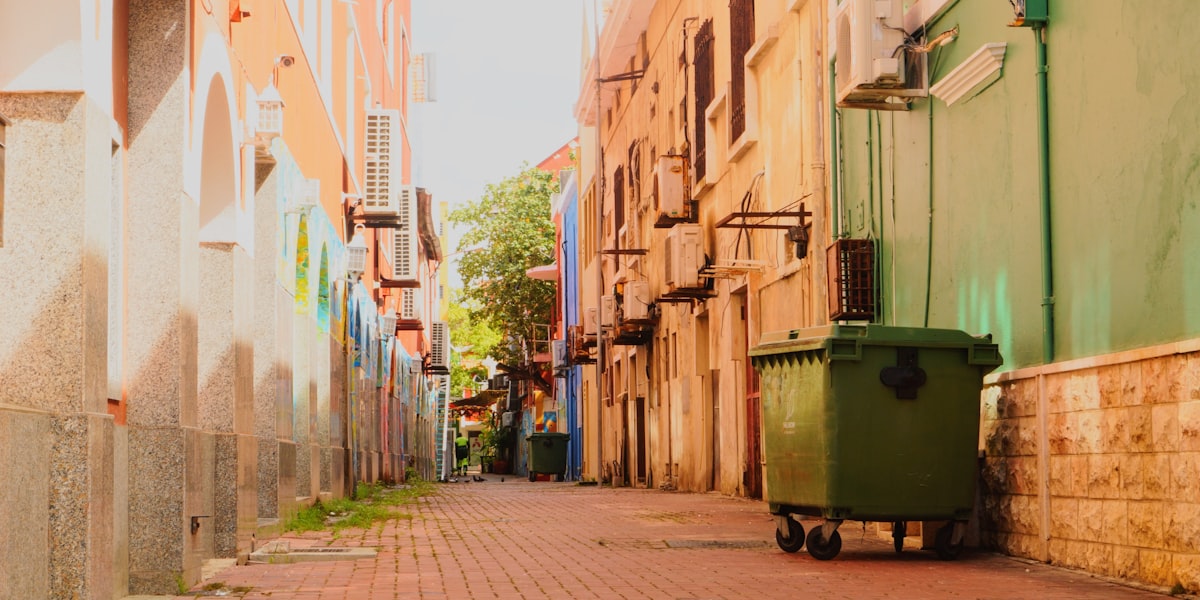
Curacao breaks the Caribbean mold. Where most islands mean hurricane anxiety, overpriced basics, and limited infrastructure, this Dutch-Caribbean gem sits safely below the hurricane belt, runs on European-standard utilities and healthcare, and wraps it all in a vibrant, multicultural package that feels nothing like a typical tropical retirement. The pastel-colored UNESCO waterfront of Willemstad, 35 pristine beaches, and a population that casually switches between four languages make Curacao one of the most sophisticated yet underappreciated retirement destinations in the region.
Key Takeaway
A retired couple can live comfortably in Curacao on $3,000-$4,000 per month, enjoying Dutch-standard infrastructure, modern healthcare, and a location below the hurricane belt. The key consideration is that Curacao taxes worldwide income for residents, so pension and Social Security income will be subject to local taxes — consult a cross-border tax advisor before committing.
Where Retirees Live
Curacao stretches about 40 miles from tip to tip, with Willemstad as the vibrant heart. The island's neighborhoods range from urban sophistication to secluded beach communities, and your choice shapes both lifestyle and budget.
Pietermaai and Otrobanda
Pietermaai is Willemstad's revitalized historic district — think restored colonial mansions converted into boutique apartments, street art, craft cocktail bars, and waterfront restaurants. It is walkable, lively, and attracts retirees who want urban energy without driving. A two-bedroom apartment runs $1,200-$1,800 per month. Across the iconic Queen Emma pontoon bridge, Otrobanda offers a more local, less tourist-polished experience at lower rents — $800-$1,200 for a comfortable apartment with a neighborhood feel.
Jan Thiel and Spanish Water
This is the premium expat enclave on the southeast coast. Jan Thiel Beach, a private beach club, yacht marina, and upscale restaurants anchor the area. Gated communities and villas with ocean views dominate the housing stock, with rents from $1,800-$3,000 per month. If your retirement vision includes morning swims, sundowners at a beach club, and a boat at the marina, this is where you settle.
Banda Abou (West Side)
The island's rural western half offers dramatically lower housing costs and a quieter lifestyle. Villages like Lagun and Westpunt sit near some of Curacao's most beautiful beaches — Grote Knip and Playa Lagun — with rents as low as $600-$1,000 for a house. The trade-off is a 30-45 minute drive to Willemstad for shopping, hospitals, and most services. Retirees who value solitude and nature over convenience thrive here.
Daily Life in Curacao
The pace is unhurried but never boring. Mornings typically start with a swim or beach walk — and with 35 beaches to choose from, you can visit a different one every week for most of the year. Grocery shopping at Centrum Supermarket or the larger Mangusa Hypermarket feels surprisingly well-stocked. Dutch imports (cheese, chocolate, licorice) sit alongside Caribbean produce and American brands. A full week of groceries for two runs $100-$150.
The island's arid climate — averaging only 22 inches of rain per year — means you rarely lose a day to weather. This is a genuine differentiator from lush but rain-soaked Caribbean alternatives. Expect blue skies and consistent trade winds that make even 88-degree days comfortable. The downside is the landscape: Curacao is dry and cactus-dotted rather than lush and tropical. If your Caribbean dream is rainforest green, this is not your island.
Evenings in Willemstad offer a dining scene that punches above its weight. Indonesian rijsttafel (a legacy of the Dutch colonial connection), fresh seafood, Creole stews, and international cuisine fill the restaurant scene. A dinner for two at a mid-range spot costs $40-$70. The Handelskade waterfront — the colorful colonial row you see in every Curacao photograph — is spectacular at sunset.
Healthcare: Dutch Standards
Curacao Medical Center (CMC), which opened in 2019, is a modern facility that replaced the aging St. Elisabeth Hospital. It offers emergency care, surgical suites, diagnostic imaging, and specialist consultations at a level that most Caribbean islands simply cannot match. The facility was built to Dutch healthcare specifications, and many physicians trained in the Netherlands.
For residents, the SVB (Social Insurance Bank) provides basic health insurance coverage. Retirees can enroll once they hold a residency permit. Monthly contributions are income-based, and the coverage includes hospital care, specialist visits, and medications. For faster access and broader specialist options, many expats add a private supplemental plan at $100-$200 per month.
For complex procedures not available on-island, medical evacuation to the Netherlands, Colombia, or Miami is standard. Premium international health plans from Cigna or Allianz that include medevac coverage run $300-$500 per month for seniors over 65.
Key Takeaway
Medicare does not work in Curacao. However, the SVB public insurance system is available to residents at reasonable rates, and CMC provides genuinely modern care. Budget $120-$500 per month for healthcare depending on your coverage level, and consider keeping Medicare Part A for any U.S. visits.
The Tax Question
This is the most important financial consideration for Curacao and the area where it differs from many Caribbean competitors. Curacao taxes residents on worldwide income at progressive rates up to 48.25%. That means your Social Security, pension, IRA distributions, and investment income are all potentially taxable.
However, the situation is more nuanced than it first appears. As part of the Kingdom of the Netherlands, Curacao falls under the Tax Arrangement for the Kingdom of the Netherlands (TRKN), which can prevent double taxation on certain income types. Foreign tax credits may apply to offset U.S. taxes already paid. The effective tax burden depends heavily on your income composition and level. A cross-border tax advisor who understands both U.S. and Curacao tax law is an essential pre-move investment — expect to pay $500-$1,500 for a thorough analysis.
What Retirees Love
- No hurricanes. Located at 12 degrees north latitude, Curacao sits below the hurricane belt. While not completely immune to tropical weather, the island has not taken a direct hurricane hit in modern memory. This alone is worth enormous peace of mind — and lower insurance premiums.
- Language ease. Most Curacaoans speak Papiamentu, Dutch, Spanish, and English. You will rarely encounter a situation where English does not work, and picking up Papiamentu phrases endears you to locals quickly.
- European governance. Dutch administrative standards mean reliable utilities, well-maintained roads, clear property laws, and a judicial system based on European frameworks.
- Diving paradise. The reef system is one of the Caribbean's healthiest, and shore diving is accessible from dozens of beaches. Many retirees take up diving or snorkeling as a daily activity.
What to Watch Out For
- Worldwide taxation. Unlike territorial-tax destinations like Panama or Grenada, Curacao will tax your global income. Run the numbers before committing.
- Island import costs. Electricity (Aqualectra) is expensive, and imported goods carry a premium. Your utility bill will be higher than you expect.
- Arid landscape. If your Caribbean dream involves lush tropical greenery, Curacao's cactus-and-rock terrain may disappoint. The beauty is coastal, not verdant.
- Car dependency. Public transit (Konvoi buses) is limited and unreliable. Most retirees need a vehicle, adding $150-$400 per month to your budget.
Bottom Line
Curacao is the right choice for retirees who want Caribbean living with European infrastructure, genuine hurricane protection, and a multilingual, multicultural community. The worldwide tax policy is a real consideration, but for retirees whose income falls in moderate brackets, the combination of safety, healthcare quality, and lifestyle sophistication makes Curacao a Caribbean destination that deserves serious evaluation. Use Bullseye's projection tools to model how the tax implications affect your specific retirement budget.