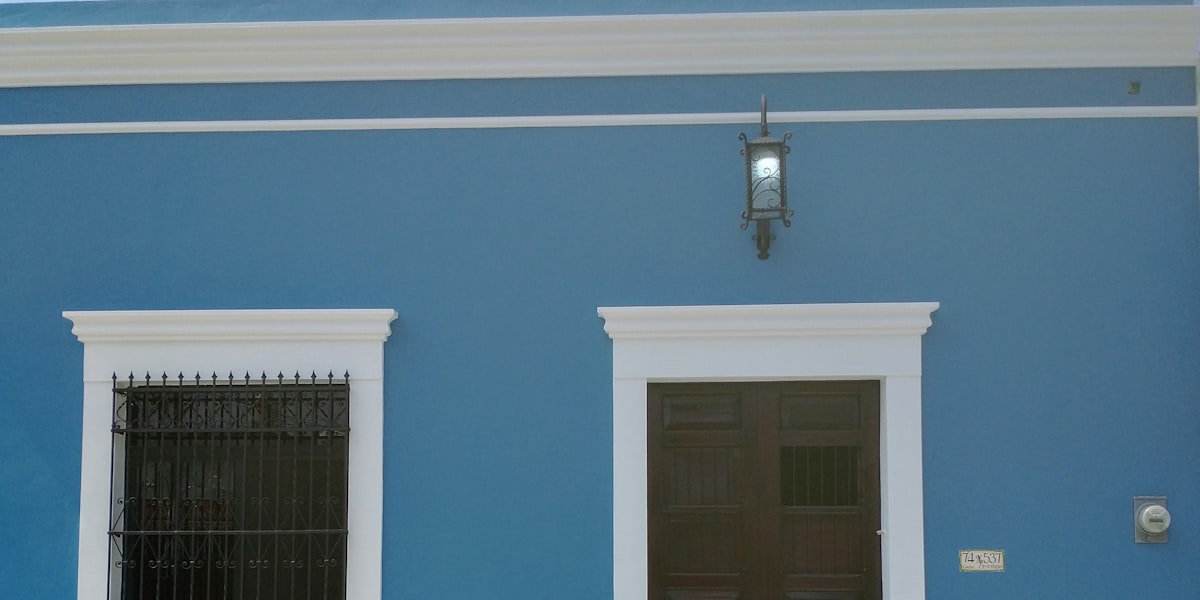
Merida, the cultural capital of Mexico's Yucatan Peninsula, has emerged as one of the country's most compelling retirement destinations. This colonial gem of nearly one million people offers American retirees something rare: a genuinely safe Mexican city with world-class healthcare, stunning architecture, rich Mayan heritage, and a cost of living that makes comfortable retirement achievable on a modest budget. It is no surprise that the expat community here has grown steadily, drawn by the warmth of Yucatecan culture and a quality of life that punches far above its price tag.
Why Retirees Choose Merida
Safety is the number one reason retirees choose Merida over other Mexican cities. It has consistently ranked among the safest cities in all of Mexico, with violent crime rates comparable to many mid-sized American cities. You can walk through the Centro Historico at night, stroll Paseo de Montejo on a Sunday morning, or explore local markets without the security concerns that affect other parts of Mexico.
Beyond safety, Merida offers a depth of culture that few retirement destinations can match. The city pulses with Mayan heritage, colonial Spanish architecture, and a vibrant arts scene. Every Sunday, the city shuts down its main streets for "Merida en Domingo," a festival of music, dancing, food, and artisan markets. Free concerts, gallery openings, and cultural events happen throughout the week. For retirees who value intellectual stimulation and community engagement, Merida delivers abundantly.
Best Neighborhoods for Retirees
Centro Historico
The historic center is where most expat retirees gravitate. Beautifully restored colonial mansions line the streets, many converted into apartments or subdivided homes. Walking distance to restaurants, markets, churches, and cultural venues makes car ownership unnecessary. Expect to pay $600-$1,200 per month for a one- or two-bedroom rental, with renovated colonials commanding higher prices.
Garcia Gineres
Just west of Centro, Garcia Gineres offers a quieter residential feel with tree-lined streets, local restaurants, and easy access to both the historic center and modern shopping areas. It is a popular choice for retirees who want more space and a neighborhood atmosphere at slightly lower prices than prime Centro locations.
Santiago and Mejorada
These neighborhoods on the edges of Centro are where budget-conscious retirees find the best value. Still walkable to the heart of the city, these areas are undergoing renovation and offer authentic Yucatecan neighborhood life. One-bedroom apartments start around $400-$500 per month, and local comedores serve full meals for under $4.
Key Takeaway
Merida's colonial homes are stunning but inspect carefully before signing a lease. Older properties may have plumbing, wiring, or roof issues that are expensive to fix. Newer renovations in Santiago or Mejorada often provide better infrastructure at lower prices than picture-perfect Centro colonials.
The Visa Process
Mexico's Residente Temporal visa is the standard pathway for retirees. You will need to demonstrate $4,185 per month in income or $69,750 in savings averaged over 12 months. These thresholds update annually based on Mexico's UMA index. The visa is initially issued for one year, renewable up to four years, after which you can apply for permanent residency.
Many retirees first enter Mexico on a 180-day tourist visa (FMM) to test the waters before committing to a Residente Temporal. The application process begins at a Mexican consulate in the U.S. and is completed at INM (immigration) offices in Merida after arrival. Processing typically takes 2-4 weeks and costs approximately $200-$400 in government fees.
Healthcare in Merida
Merida has excellent healthcare infrastructure for a city its size. Star Medica Merida and Clinica de Merida are modern private hospitals with English-speaking specialists. For routine care, private doctor visits cost $25-$50, and comprehensive blood panels run $30-$60 at private labs. Dental care is particularly affordable, with cleanings at $30-$40 and crowns at $200-$350.
The IMSS public healthcare system is available to legal residents for approximately $500 per year per person. IMSS provides coverage for doctor visits, hospitalization, prescriptions, and surgeries, though wait times can be long for non-urgent procedures. Many expats maintain IMSS as a safety net while paying out of pocket for routine private care, a combination that keeps total healthcare costs remarkably low.
Cost of Living Breakdown
A couple can live comfortably in Merida on $2,200 per month, including rent, food, healthcare, and entertainment. The biggest variable is housing: a renovated colonial in Centro might cost $800-$1,200, while a functional apartment in Santiago runs $400-$600. Food is where Merida truly shines in affordability. A plate of cochinita pibil at a market stall costs $2-$3, a full comida corrida lunch at a local restaurant runs $4-$6, and fresh tropical fruits at the Lucas de Galvez market are a fraction of U.S. prices.
The one cost that catches newcomers off guard is electricity. Merida's tropical heat means air conditioning is not optional from April through October, and electricity rates in Mexico use a tiered system where heavy use gets expensive quickly. Budget $80-$150 per month for electric during summer months, or choose a home with high ceilings and good cross-ventilation to reduce A/C dependence.
Key Takeaway
The beach town of Progreso is only 30 minutes north of Merida and offers a completely different lifestyle. Some retirees split their time, enjoying Merida's cultural scene during the cooler months and retreating to Progreso's sea breezes during the hottest summer weeks.
Practical Considerations
Merida is in the same time zone as the U.S. East Coast (EST/UTC-5), making it convenient for staying in touch with family. Direct flights from Merida's international airport connect to Miami in about 2 hours, with additional routes to Houston, Dallas, and other U.S. cities through Cancun. Internet speeds average around 55 Mbps with fiber available in many Centro neighborhoods.
Spanish proficiency matters more in Merida than in tourist-heavy destinations like Playa del Carmen or Lake Chapala. While you can manage daily life with basic Spanish, the expat community here tends to be more integrated with local culture, and learning the language will dramatically improve your experience. Affordable Spanish classes are widely available, many taught by bilingual Yucatecan teachers.
The climate is Merida's most divisive feature. Winters are glorious, with warm days and cool evenings. But summers are genuinely hot, with temperatures regularly exceeding 100F and humidity that makes it feel hotter. Some retirees become "reverse snowbirds," spending summers in the U.S. or at higher elevations in Mexico.
Is Merida Right for You?
Merida is ideal for retirees who prioritize safety, cultural richness, and affordability over beach proximity. It works best for those who enjoy city life, want to immerse in Mexican and Mayan culture, and are comfortable learning Spanish. If you need English spoken everywhere or cannot tolerate extreme summer heat, consider Lake Chapala or Playa del Carmen instead. But if you want one of the most beautiful, safest, and most affordable colonial cities in the Americas, Merida belongs at the top of your list.