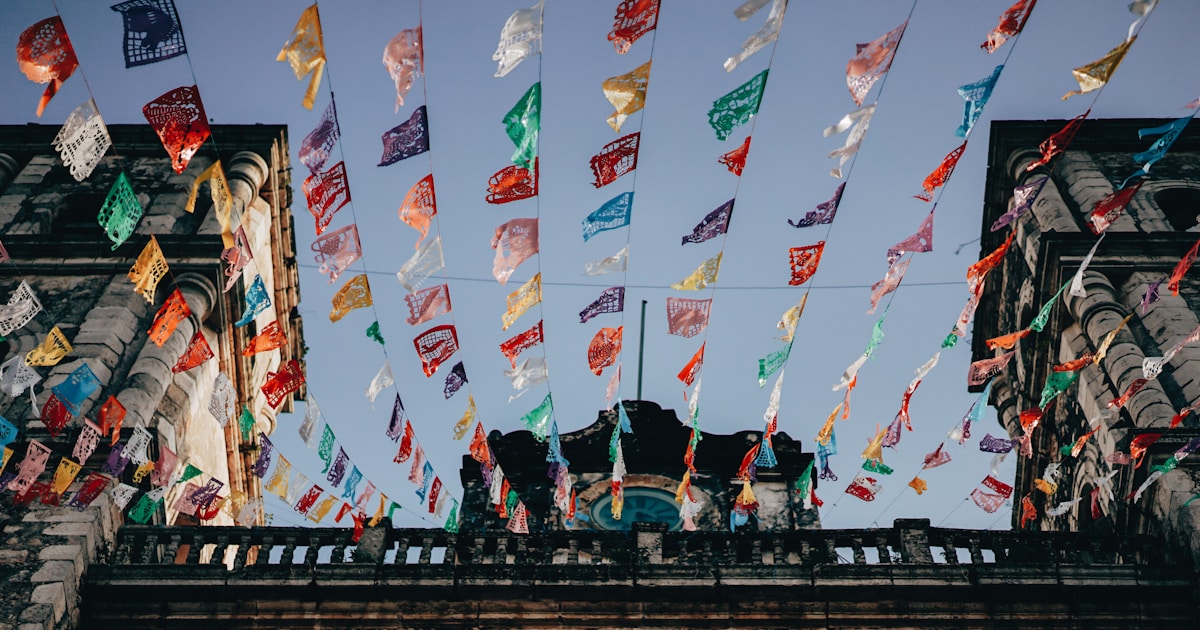
Nestled at 5,000 feet along the shores of Mexico's largest freshwater lake, Lake Chapala and its charming village of Ajijic have drawn more American and Canadian retirees than any other community in Latin America. Over 20,000 English-speaking expats call this region home, creating a retirement destination where you can stretch your Social Security check further than you ever thought possible while enjoying near-perfect weather every single day of the year.
Why Retirees Choose Lake Chapala
The appeal starts with the climate. Sitting in the highlands of Jalisco state, Lake Chapala enjoys average temperatures between 65 and 80 degrees Fahrenheit year-round. There is no need for air conditioning or heating, which keeps utility bills remarkably low. The dry season stretches from November through May with endless blue skies, while the rainy season brings brief afternoon showers that keep the landscape lush and green.
But climate alone does not explain why Lake Chapala has the largest expat concentration in Latin America. The real draw is the community. Ajijic, the most popular village along the lakeside, buzzes with English-language book clubs, art galleries, volunteer organizations, theater groups, and social clubs. New arrivals find it remarkably easy to build a social circle. The Lake Chapala Society, a nonprofit founded in 1955, serves as a community hub with a library, garden, classes, and regular events that bring expats and locals together.
Key Takeaway
Lake Chapala is ideal for retirees who want an active English-speaking social life without sacrificing access to a major city. Guadalajara, Mexico's second-largest metro area with 5 million people, is just 45 minutes away by highway, providing world-class hospitals, international flights, Costco, and big-city culture whenever you need it.
Cost of Living: How Far Your Dollar Goes
A retired couple can live comfortably in Lake Chapala on $2,000 to $2,500 per month, including rent. Budget-minded retirees who cook at home and live modestly can manage on $1,300 per month, while those who want a premium lifestyle with a large home, domestic help, and regular restaurant dining spend around $4,000.
Housing
Rent is the biggest variable. A simple one-bedroom apartment in Chapala town starts around $400 to $600 per month. In Ajijic, a two-bedroom house with a garden rents for $700 to $1,000. Premium homes in gated communities like La Floresta or upper Ajijic, with mountain or lake views, range from $1,200 to $1,800 or more. Buying is also popular, with modest homes starting around $150,000 and nicer properties ranging from $250,000 to $500,000.
Food and Dining
Grocery shopping at the local tianguis (open-air markets) is extraordinarily affordable. Fresh fruits, vegetables, and local meats cost a fraction of U.S. prices. A couple cooking primarily at home can spend $250 to $350 per month on groceries. Dining out at local Mexican restaurants runs $5 to $10 per person, while the many international restaurants in Ajijic charge $12 to $25 per entree. Coffee and pastries at a lakeside cafe cost $3 to $5.
Healthcare: IMSS and Private Options
Healthcare is one of Lake Chapala's strongest selling points. Mexico's public healthcare system, IMSS, is open to legal residents and costs approximately $500 per year per person, regardless of age or pre-existing conditions. IMSS covers doctor visits, hospitalizations, surgeries, and most prescription medications. The enrollment process involves a medical exam and a six-month waiting period for pre-existing conditions, but many expats report satisfactory care for routine and even complex medical needs.
For those who prefer private care, Guadalajara is home to several hospitals that meet international accreditation standards. Hospital Country 2000, Hospital San Javier, and Hospital Puerta de Hierro all offer modern facilities with English-speaking specialists. A private doctor visit in the Lake Chapala area costs around $20 to $40, and dental cleanings run $30 to $50. Private health insurance from a Mexican carrier costs $50 to $150 per month depending on age and coverage level.
Key Takeaway
IMSS public healthcare at roughly $42 per month is one of the best deals in international retirement. Combined with Guadalajara's excellent private hospitals just 45 minutes away, Lake Chapala offers a healthcare safety net that most retirement destinations simply cannot match at this price point.
Visa and Residency
Americans can visit Mexico on a tourist permit (FMM) for up to 180 days, which some retirees use for extended stays. For long-term living, the Residente Temporal visa grants one to four years of legal residency. The financial requirements are higher than many Latin American destinations: applicants must show monthly income of approximately $4,185 or savings averaging $69,750 over the past 12 months. These thresholds are tied to Mexico's UMA economic index and adjust annually.
After four years of temporary residency, you can apply for Residente Permanente status without additional income proof. Mexican citizenship is available after five cumulative years of legal residency, requires passing a Spanish language and Mexican history exam, and allows dual citizenship with the United States.
Daily Life and Culture
Life in Lake Chapala revolves around the outdoor lifestyle. Morning walks along the malecon (lakefront promenade), coffee with friends in Ajijic's central plaza, and afternoons in a garden with a good book define the rhythm for many retirees. The area offers golf courses, hiking trails into the surrounding mountains, hot springs, and easy weekend trips to colonial cities like Guanajuato, San Miguel de Allende, and Patzcuaro.
The cultural blend is part of the charm. Traditional Mexican fiestas, Day of the Dead celebrations, and local markets coexist with English-language theater productions, international film screenings, and a thriving art scene. Many retirees find they develop a richer social life than they had back home, with the added bonus of learning Spanish organically through daily interactions.
Potential Drawbacks
Lake Chapala is not without its challenges. The visa income requirements are notably higher than Panama, Ecuador, or many Southeast Asian options. Lake Chapala's water levels and water quality have been ongoing environmental concerns, though major cleanup efforts continue. The rainy season from June through October brings daily downpours, and some expats find the popularity and resulting gentrification of Ajijic has pushed prices higher than other Mexican towns. Finally, while English is widely spoken in the expat corridor, navigating government offices and rural areas still requires basic Spanish proficiency.
Key Takeaway
Lake Chapala is the gold standard for retirees who want the easiest possible transition abroad. The massive English-speaking community, proximity to Guadalajara's infrastructure, year-round mild weather, and remarkably low cost of living combine to create a retirement destination that has been attracting Americans for over 60 years. If you want adventure, look elsewhere. If you want comfortable, affordable, and social, this is it.