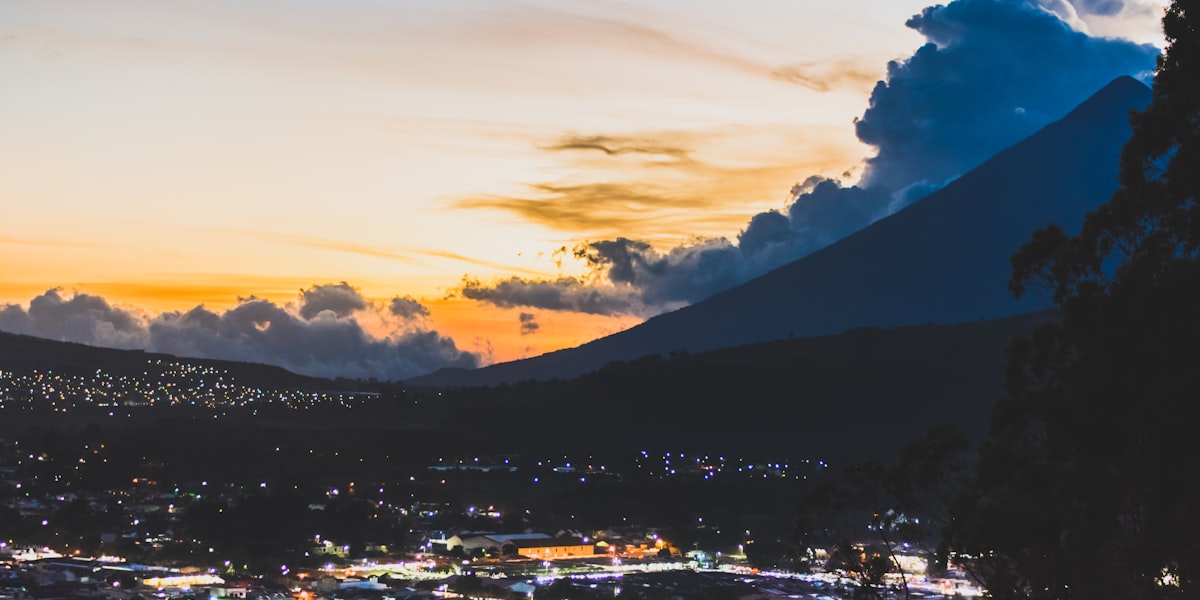
Antigua Guatemala is one of the most beautiful small cities in the Americas. A UNESCO World Heritage Site surrounded by three volcanoes, this colonial jewel offers retirees eternal spring weather, jaw-dropping architecture, and a cost of living so low that comfortable retirement is achievable on Social Security alone. The expat community is growing but still intimate, the cultural scene is vibrant, and the sense of stepping back in time when you walk its cobblestone streets is genuinely magical.
Why Retirees Choose Antigua
The climate is the first thing that hooks people. At 5,000 feet elevation in Guatemala's central highlands, Antigua enjoys year-round temperatures between 55F and 78F. You will never need air conditioning or heating. Mornings are cool and crisp, afternoons are warm and sunny, and evenings call for a light sweater. For retirees escaping both brutal northern winters and oppressive tropical heat, Antigua's climate is close to perfect.
Then there is the beauty. Antigua's colonial grid was laid out in the 16th century, and its low-rise architecture of pastel facades, iron balconies, and massive wooden doors has been meticulously preserved. Ruins of earthquake-toppled churches and convents are woven into the cityscape, creating a living museum feel. The central park, flanked by the Palacio de los Capitanes and the Cathedral of San Jose, is the social heart of town where retirees, locals, and travelers mingle daily.
Affordability seals the deal. Guatemala is one of the least expensive countries in the Western Hemisphere, and while Antigua is pricier than Guatemalan average, it remains remarkably cheap by any international standard. A couple can live well on $1,800 per month, and a frugal retiree can manage on under $1,000.
Best Areas for Retirees
Central Antigua
Within the colonial grid, particularly the blocks surrounding Central Park and the Arco de Santa Catalina, you will find the highest concentration of restaurants, shops, and cultural venues. Renovated colonial homes rent for $750-$1,400 per month for two bedrooms. The trade-off is tourist foot traffic and higher prices, but everything is walkable and the atmosphere is unbeatable.
San Pedro Las Huertas and San Juan del Obispo
These small villages just south of Antigua proper offer quieter living with volcano views at significantly lower prices. A two-bedroom house can rent for $400-$700 per month. You will need a tuk-tuk or car to reach central Antigua, but the ride is only 10-15 minutes and costs about $2-3. Several expat retirees have settled here for the combination of value and tranquility.
Jocotenango
This neighboring town to the north of Antigua has its own central plaza, market, and community identity while being a 10-minute walk from Antigua's center. Rents are 30-40% less than central Antigua, and the town has a growing selection of restaurants and cafes catering to the expat community.
Key Takeaway
Antigua's colonial homes are charming but can be cold at night and damp during rainy season. Look for homes with fireplaces or modern insulation. Newer constructions in the surrounding villages often provide better comfort and amenities than centuries-old colonial homes, at lower prices.
The Visa Process
Guatemala's Pensionado visa is one of the easiest retirement visas in the Americas. You need to demonstrate just $1,000 per month in pension, Social Security, or retirement account income. The application requires apostilled documents including proof of income, a background check, and a health certificate. Processing is done through a Guatemalan consulate and typically takes 4-8 weeks.
Guatemala uses a territorial tax system, meaning your foreign income, including Social Security, pensions, and investment withdrawals, is completely untaxed by Guatemala. Combined with the low income requirement, this makes Antigua one of the most accessible retirement destinations financially.
Healthcare: Planning Is Essential
This is the area where Antigua requires the most realistic expectations. The town has several clinics and a few English-speaking doctors who handle routine care competently. Private consultations cost $15-$30, basic lab work runs $20-$40, and pharmacy medications are significantly cheaper than in the U.S.
However, for anything beyond basic care, you will need to travel to Guatemala City, about one hour east. Hospital Herrera Llerandi and Centro Medico are the top private hospitals, with specialists, advanced imaging, and surgical capabilities. Many expat retirees carry private insurance policies that cover these Guatemala City facilities, with plans costing $100-$250 per month depending on age and coverage.
For serious emergencies, some retirees maintain international insurance that includes medical evacuation to Mexico or the United States. This is a worthwhile consideration for retirees with complex medical histories.
Cost of Living Breakdown
Antigua's cost of living is among the lowest of any popular expat destination. A couple on a comfortable budget spends approximately $1,800 per month, including rent, food, healthcare, and entertainment. Budget-conscious retirees can manage on $900 by renting outside the center and eating primarily at local comedores and markets.
Food is spectacularly cheap. A full comida corrida (set lunch) at a local comedor costs $2-$3 and includes soup, a main course, tortillas, and a drink. The mercado central sells fresh produce at prices that feel almost free by American standards. Even upscale restaurants on Antigua's restaurant row rarely exceed $15-$20 per person for a full meal with drinks.
The one area where costs are higher than expected is imported goods. Anything not produced locally, from electronics to certain packaged foods, carries a significant markup. Shopping strategically at Guatemala City's larger stores during occasional trips keeps these costs manageable.
Key Takeaway
Antigua's affordability is its greatest strength, but do not let rock-bottom prices blind you to the healthcare trade-offs. Budget for a private insurance plan that covers Guatemala City hospitals and consider maintaining a medical evacuation rider. The money you save on everything else easily covers this essential safety net.
Practical Considerations
Internet in Antigua averages around 30 Mbps, which is adequate for video calls and streaming but slower than destinations like Playa del Carmen or Lisbon. Power outages happen occasionally, and water service can be inconsistent; many homes have rooftop water tanks (tinacos) as standard backup. Infrastructure is improving year over year, but patience with occasional inconveniences is part of life here.
Getting to Antigua from the U.S. is straightforward. Flights from Miami to Guatemala City take about 2.5 hours, and the drive from the airport to Antigua takes roughly one hour through scenic highland terrain. Shuttle services run frequently and cost $10-$15 per person.
Safety in Antigua itself is reasonable for Central America. The town center is heavily patrolled by tourist police, and most expats report feeling safe walking around town during the day. Standard precautions apply at night and outside the tourist core. The broader Guatemalan security situation is more complex, and travel to remote areas requires research and common sense.
Is Antigua Right for You?
Antigua is ideal for retirees who prioritize affordability, perfect climate, and cultural richness above all else. It works best for those who are comfortable with a simpler lifestyle, can handle occasional infrastructure hiccups, and are willing to travel to Guatemala City for medical care. If you need top-tier hospitals within walking distance, consider San Jose, Costa Rica or Panama City. If you want beach life, look at Roatan or Ambergris Caye. But if you dream of a colonial mountain town where your retirement dollar stretches further than almost anywhere in the hemisphere, Antigua Guatemala deserves serious consideration.