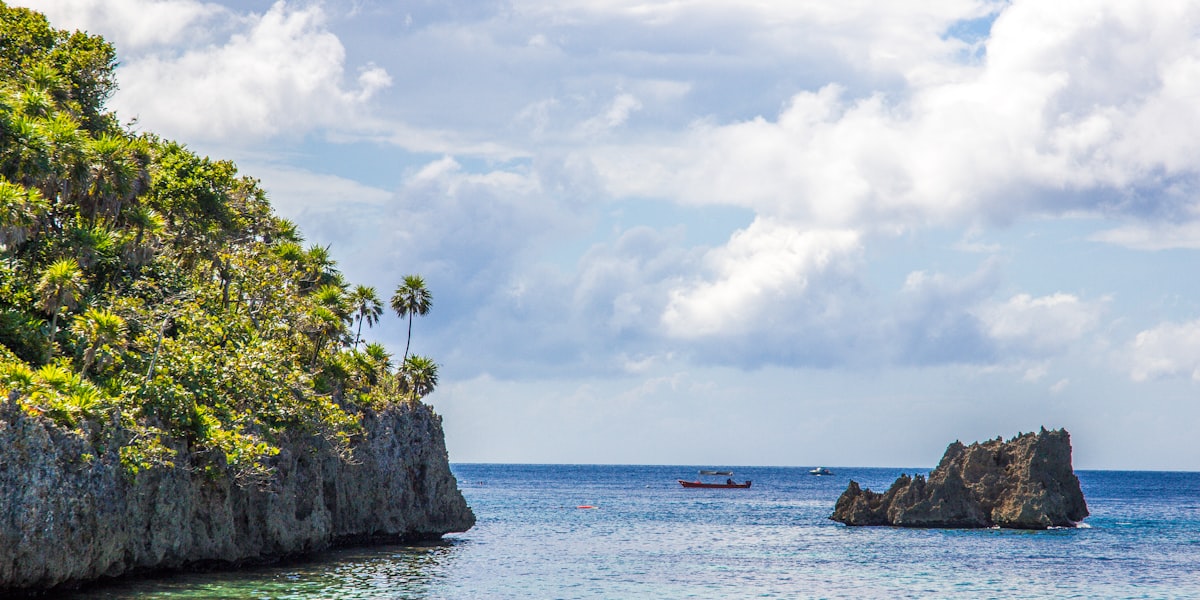
Roatan is a Caribbean island that most Americans have never heard of, yet it offers one of the most affordable island retirement lifestyles in the Western Hemisphere. Located 40 miles off the northern coast of Honduras in the Bay Islands, Roatan sits on the edge of the Mesoamerican Barrier Reef, the second-largest barrier reef system in the world. English is widely spoken, the expat community is tight-knit and welcoming, and a couple can live a genuine Caribbean island life for $2,000-$2,500 per month. For retirees who dream of island sunsets without island prices, Roatan is worth serious attention.
Why Retirees Choose Roatan
The reef is the headline. Roatan offers world-class scuba diving and snorkeling directly from shore in many locations, with warm, clear water year-round. For retirees who love the ocean, this is a lifestyle feature that never gets old. But the island's appeal goes far beyond diving.
English proficiency is a major practical advantage. Unlike mainland Honduras, Roatan's Bay Island culture has deep roots in English-speaking Caribbean traditions. Many islanders are bilingual or English-dominant, and the expat community conducts its social life, business, and daily errands in English. For retirees who do not want to learn a new language, this removes one of the biggest barriers to overseas retirement.
The pace of life on Roatan is genuinely different from anywhere on the mainland. There are no traffic jams, no skyscrapers, and no rush hour. Days revolve around the water, the weather, and the community. Expats gather at beach bars, dive shops, and community potlucks. The social fabric is small-town in the best sense, where people know their neighbors and look out for each other.
Best Areas for Retirees
West End
This bohemian beach village on the island's western tip is the social hub for expats and divers. A single sandy road runs through town, lined with dive shops, restaurants, and bars. Walkability is excellent, and the beach is stunning. Rentals range from $700-$1,200 for one- or two-bedroom apartments. The trade-off is limited space and higher prices than other parts of the island.
West Bay
Adjacent to West End, West Bay has Roatan's most spectacular beach, a sweeping crescent of white sand with calm turquoise water. Development here is more upscale, with condo complexes and resort-style properties. Two-bedroom condos rent for $1,200-$2,000 per month. It feels more polished than West End but is still walkable to the village.
Sandy Bay
Located between West End and the commercial center of Coxen Hole, Sandy Bay offers a residential feel with more space and lower prices. Many long-term expat retirees have settled here, attracted by larger homes with gardens and ocean views at $600-$1,000 per month. You will need a scooter or car to reach West End or Coxen Hole, but the commute is 10-15 minutes.
French Harbour
The island's commercial center is where you will find the largest grocery stores, hardware shops, and services. It is more practical than scenic, but some retirees prefer the convenience and lower rents. One-bedroom apartments start around $400-$500 per month. French Harbour is also home to several marinas for boating enthusiasts.
Key Takeaway
Rent before you buy on Roatan. Island real estate has unique challenges including unclear title histories, limited property rights for foreigners in some areas, and maintenance costs that are higher than mainland. Spending 6-12 months renting lets you understand the island's rhythms and avoid costly mistakes.
The Visa Process
Honduras offers a Pensionado retiree visa requiring $1,500 per month in provable retirement income. The application process involves submitting proof of income, a background check, and medical certificate through a Honduran consulate. Processing typically takes 4-8 weeks, and the visa is renewable annually.
Roatan also benefits from its designation as a special economic zone, which has historically offered streamlined processes for residents and investors. The territorial tax system means your U.S. retirement income, Social Security, pensions, and investment withdrawals are completely untaxed by Honduras.
Healthcare: The Honest Reality
Healthcare is Roatan's most significant weakness as a retirement destination, and it is important to go in with clear expectations. The island has several clinics staffed by competent general practitioners who can handle routine care, minor injuries, and common illnesses. CMP (Clinica y Farmacia) and the public hospital in Coxen Hole provide basic services. Private doctor visits cost $20-$40.
For anything beyond basic care, including specialist consultations, advanced imaging, surgery, or serious emergencies, you will need to leave the island. Options include flying to San Pedro Sula or Tegucigalpa on the mainland (45-minute flight), or to Merida or Houston for more complex care. Medical evacuation insurance is not optional on Roatan; it is essential.
Many retirees carry international health insurance that includes evacuation coverage, with premiums ranging from $150-$350 per month depending on age and coverage level. The savings on everything else on the island more than offset this necessary expense.
Cost of Living Breakdown
A couple can live comfortably on Roatan for $2,200 per month, including rent. Budget-conscious retirees willing to live simply in French Harbour or Sandy Bay can manage on $1,200. The biggest cost driver is that nearly everything on the island is imported by barge or container ship, which adds a markup to groceries, building materials, and household goods.
Local food is the exception. Fresh fish, lobster (in season), coconut bread, and baleadas (the Honduran national street food) are inexpensive and delicious. A baleada costs $1-$2, fresh fish from the dock runs $3-$5 per pound, and a meal at a local restaurant costs $6-$10. Imported items like cheese, cereal, and packaged snacks cost close to or more than U.S. prices.
Electricity is expensive on the island, generated primarily by diesel. Running air conditioning full-time can push electric bills to $150-$250 per month. Many retirees choose homes with good ventilation, ceiling fans, and strategic shade to minimize A/C dependence. The U.S. dollar is widely accepted alongside the Honduran Lempira, and many transactions in tourist areas are quoted in dollars.
Key Takeaway
Roatan is a retirement destination where lifestyle matters more than infrastructure. If your vision of retirement is being in the water every day, joining a dive community, and living at a pace that mainland life cannot offer, the infrastructure trade-offs are worth it. If you need reliable high-speed internet, immediate hospital access, and a wide range of shopping options, a mainland destination will serve you better.
Practical Considerations
Roatan has direct flights from Miami (2.5 hours), Houston, and several other U.S. cities, making visits home relatively convenient for a Caribbean island. The island is about 30 miles long and 3 miles wide, so nowhere is more than a 45-minute drive from anywhere else. Most expats get around by scooter, golf cart, or pickup truck.
Internet speeds average around 25 Mbps, adequate for video calls and streaming but a step below mainland standards. Power outages occur, especially during storms, and many homes have backup generators. Water is supplied by a combination of municipal systems and cisterns; most homes have water storage tanks. These are routine island realities rather than emergencies, and long-term residents adapt quickly.
Regarding safety, Roatan is significantly safer than mainland Honduras. The island's economy depends on tourism and expat residents, which creates strong incentives for security. That said, petty theft occurs, and standard precautions about locking doors and not displaying valuables apply. The expat community is well-networked and shares safety information actively.
Is Roatan Right for You?
Roatan is ideal for retirees who love the ocean, value a small-community feel, and want affordable Caribbean island living in an English-speaking environment. It works best for those in good health who can plan around the healthcare limitations, and who embrace rather than merely tolerate island pace and infrastructure. If you need world-class hospitals nearby, look at Panama City or San Jose. If you want a similar Caribbean vibe with slightly better infrastructure, consider Ambergris Caye in Belize. But for pure Caribbean island retirement at an unbeatable price, Roatan is hard to match.