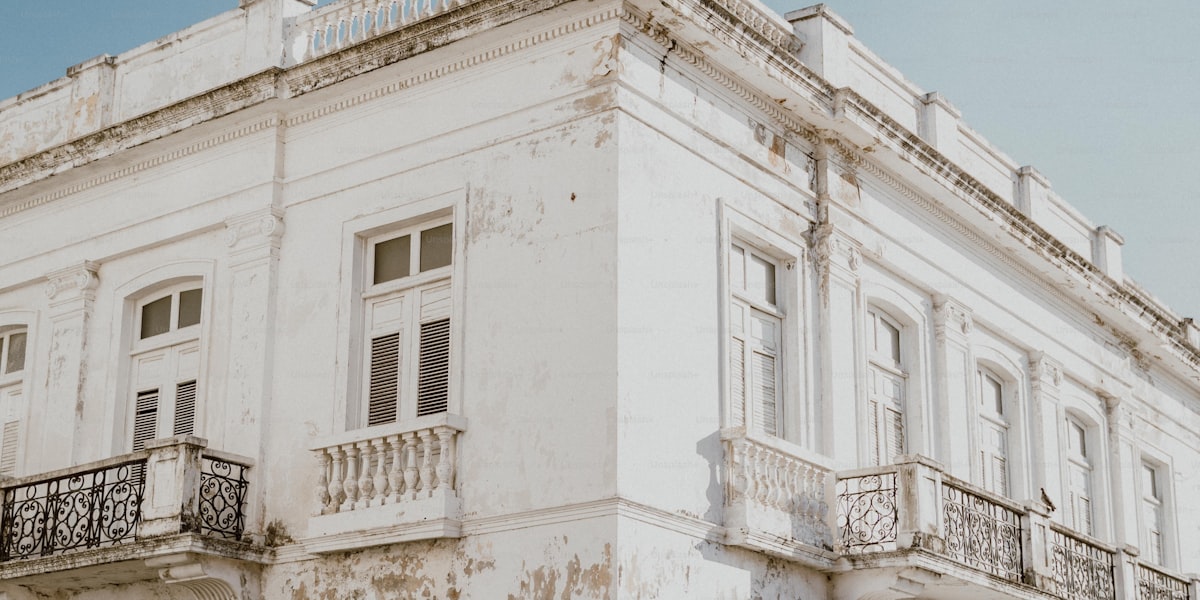
Santo Domingo, the capital of the Dominican Republic and the oldest continuously inhabited European settlement in the Americas, is steadily gaining attention as a retirement destination that combines Caribbean warmth with big-city convenience. Founded in 1496, this historic capital of 3 million people offers direct flights from most U.S. East Coast cities, a surprisingly modern healthcare system, and a cost of living that lets couples retire comfortably on $2,000-$3,000 per month. For retirees who want Caribbean living without the isolation of an island resort, Santo Domingo delivers the full package.
Key Takeaway
Santo Domingo offers one of the fastest paths to citizenship in the Americas - just 2 years of residency. Combined with 2.5-hour flights from Miami, a territorial tax system that exempts foreign retirement income, and comfortable living costs of $2,530/month, it is an underrated option for retirees seeking Caribbean proximity to the U.S. without the price tag of Puerto Rico or the U.S. Virgin Islands.
Why Retirees Are Discovering Santo Domingo
The Dominican Republic has long been a tourist destination, but Santo Domingo - as opposed to the resort areas of Punta Cana or Puerto Plata - offers something different entirely. This is a working capital city with genuine neighborhoods, world-class colonial architecture, modern shopping malls, and a cultural calendar filled with merengue, bachata, and art exhibitions. The Zona Colonial (Colonial Zone) is a UNESCO World Heritage Site with cobblestone streets, 16th-century cathedrals, and plazas that come alive every evening.
For American retirees, the biggest practical advantage is proximity. At just 2.5 hours from Miami with multiple daily direct flights on JetBlue, American, Spirit, and United, Santo Domingo is closer than most domestic U.S. destinations. This makes it easy to maintain family connections, see U.S. doctors when needed, and avoid the travel fatigue that comes with South American or European retirement destinations.
Healthcare: Better Than You Might Expect
Santo Domingo's healthcare system has modernized significantly over the past decade. While it does not match the medical tourism reputations of Costa Rica or Colombia, the capital has several hospitals that provide quality care at very affordable prices.
Top Hospitals
CEDIMAT (Centro de Diagnostico, Medicina Avanzada y Telemedicina) is the standout facility, specializing in cardiology and advanced diagnostics with equipment that rivals U.S. hospitals. Clinica Abreu, one of the oldest private hospitals in the country, offers comprehensive services across most specialties. HOMS (Hospital General de la Plaza de la Salud) is another strong option with modern facilities and English-speaking staff in key departments.
Cost of Care
Private doctor visits typically run $30-$60. Dental cleanings cost $25-$50. An MRI costs $150-$300 compared to $1,000-$3,000 in the United States. Private health insurance through the ARS (Administradoras de Riesgos de Salud) system costs $80-$200/month depending on the plan tier and provides access to the best private facilities. Many retirees find that a combination of local insurance and medical evacuation coverage provides excellent peace of mind.
Key Takeaway
While Santo Domingo's healthcare is not at the level of Medellin or Panama City, the CEDIMAT cardiac center is world-class, and routine medical care is excellent and affordable. For complex procedures, Miami is just a short flight away - a safety net that few Latin American destinations can match.
Where to Live in Santo Domingo
Piantini and Naco
These upscale neighborhoods in the heart of the modern city are the most popular choice for expats and affluent Dominicans. Tree-lined streets, excellent restaurants, modern apartment towers with security, and easy access to Agora Mall and Blue Mall make daily life convenient. Two-bedroom apartments rent for $1,000-$1,800/month. English is spoken more widely here than anywhere else in the city.
Gazcue and Ciudad Colonial
For retirees drawn to history and walkability, the neighborhoods adjacent to and within the Colonial Zone offer character that modern districts cannot match. Gazcue has beautiful early-20th-century architecture and a residential calm, while Ciudad Colonial places you steps from the Malecon waterfront, historic plazas, and the best restaurant scene in the country. Furnished one-bedroom apartments start at $500-$800/month.
Bella Vista and Evaristo Morales
These middle-class neighborhoods offer the best value for retirees seeking modern apartments with security and amenities without Piantini prices. Close to Winston Churchill Avenue's shops, restaurants, and supermarkets, a comfortable two-bedroom apartment with pool and gym runs $800-$1,200/month.
The Visa Process: Fast-Track to Citizenship
The Dominican Republic's retirement residency requires proof of monthly income of at least $1,500 USD from pension or Social Security, a clean criminal record, and a medical certificate. The process takes 2-4 months through the DGM (Direccion General de Migracion). What makes the DR stand out is the citizenship timeline - after just 2 years of legal residency, you can apply for Dominican citizenship. The Dominican Republic allows dual citizenship, so you keep your U.S. passport.
This fast-track citizenship can be valuable for retirees seeking a second passport, additional banking options, or simplified long-term residency status. It is one of the quickest paths to a second citizenship available anywhere in the Western Hemisphere.
Tax Considerations for American Retirees
The Dominican Republic operates a territorial tax system, meaning only income generated within the country is subject to Dominican taxes. Your U.S. Social Security, pension, 401(k) withdrawals, and investment income from American accounts are not taxed by the DR. There is no U.S.-Dominican Republic tax treaty, but the territorial system makes this largely irrelevant for most retirees since your foreign income is simply not in scope. U.S. citizens must still file U.S. taxes as always.
Daily Life and Practical Considerations
Santo Domingo is a vibrant, sometimes chaotic Caribbean capital. Traffic is aggressive and unpredictable - most retirees rely on Uber and taxis rather than driving themselves. The city has a modern metro system (two lines) that is clean, air-conditioned, and affordable, though coverage is limited compared to larger systems.
Power outages (apagones) remain a reality in the Dominican Republic. In premium neighborhoods like Piantini, outages are brief and infrequent, but an inverter (battery backup) is considered essential for any household. Many apartment buildings include inverter service in the maintenance fees. For retirees accustomed to reliable U.S. infrastructure, this is the single biggest adjustment.
The food scene is excellent and affordable. Dominican cuisine centers on rice, beans, and meat (la bandera), but the capital offers everything from excellent sushi to Italian trattorias. Fresh tropical fruit is abundant and cheap year-round. The Malecon waterfront promenade is the social heart of the city, particularly in the evenings when the sea breeze makes the tropical heat comfortable.
Spanish is essential for daily life. While you will find English speakers in Piantini businesses and tourist areas, navigating healthcare, government offices, and neighborhood life requires at least conversational Spanish. Language schools and private tutors are widely available and affordable at $8-$15/hour.
Key Takeaway
Santo Domingo works best for retirees who value proximity to the U.S., Caribbean culture, and urban energy over quiet beach living. At $2,530/month for a comfortable lifestyle - with 2.5-hour flights home and a 2-year path to citizenship - it offers a combination of convenience and affordability that is hard to match in the Caribbean. The power reliability issue is real but manageable, and the cultural richness of the Americas' oldest city rewards those who embrace it. Use Bullseye Retirement to model how Dominican Republic living costs change your retirement timeline.