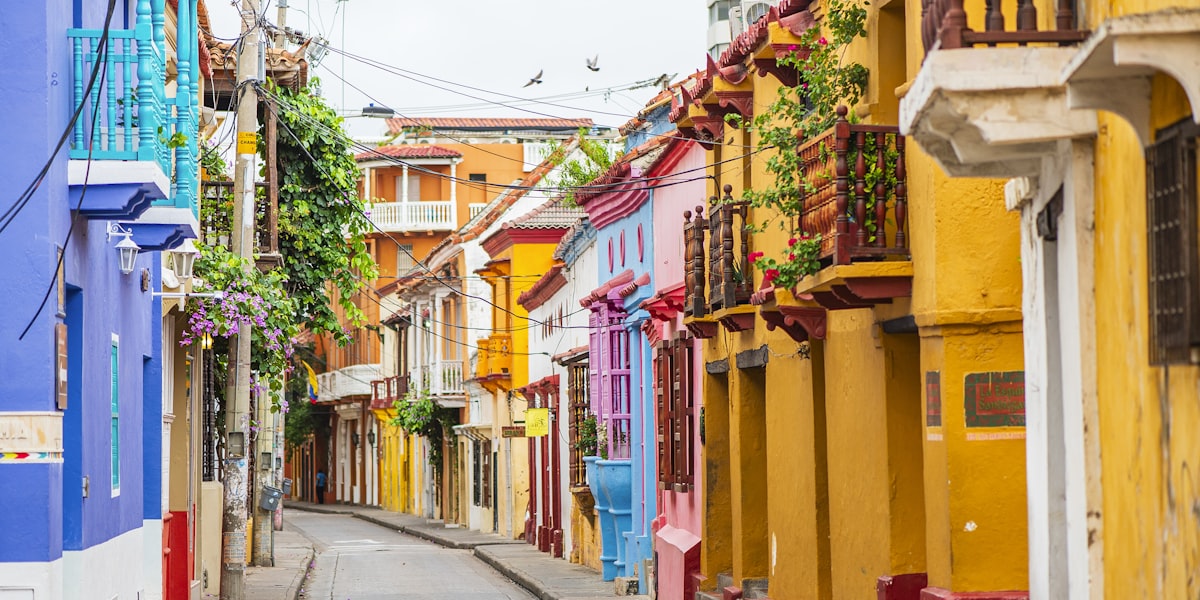
Cartagena de Indias is one of the most visually stunning cities in the Americas. Behind its UNESCO-listed walls, 500-year-old colonial buildings painted in vivid yellows, blues, and terracottas line cobblestone streets shaded by bougainvillea. Horse-drawn carriages pass baroque churches. The Caribbean Sea glitters beyond fortress ramparts. For American retirees seeking a destination that feeds the soul as much as the wallet, Cartagena offers an intoxicating blend of history, beach life, and Colombian warmth - all accessible on a 3-hour direct flight from Miami with a retirement visa that requires just $750/month in income.
Key Takeaway
Cartagena combines Caribbean beach living with a world-class historic city center at Colombian prices. A couple can live comfortably for $2,520/month, and Colombia's retirement visa - requiring just $750/month in pension income - is one of the most accessible in the hemisphere. The main tradeoff is year-round tropical heat that demands A/C and an adjustment period.
Why Cartagena Stands Apart
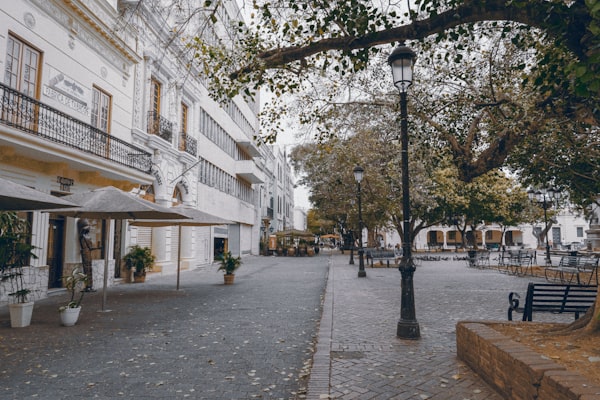
Cartagena is not a typical Caribbean retirement destination. While places like Ambergris Caye or Roatan offer quiet beach life, Cartagena delivers a full urban experience wrapped in Caribbean warmth. The Old City (Ciudad Amurallada) is a living, breathing neighborhood where people actually reside among the historic buildings, not a museum district that empties at night. Getsemani, the former working-class neighborhood just outside the walls, has transformed into Cartagena's hippest quarter with street art, boutique hotels, cocktail bars, and some of the best restaurants in Colombia.
Beyond the walls, modern Cartagena extends along the Bocagrande peninsula with high-rise condos, beach access, shopping centers, and the amenities of a city of over one million people. The Rosario Islands, a national park archipelago, sit 45 minutes offshore by boat and offer crystal-clear snorkeling and day-trip beaches. The combination of historic city living with Caribbean beach access makes Cartagena uniquely compelling among retirement destinations.
Healthcare in Cartagena
Cartagena's healthcare system is solid for routine and moderate care, though it lacks the depth of Bogota or Medellin for complex specialty procedures. For the vast majority of retiree healthcare needs, the city's hospitals and clinics provide good quality care at Colombian prices.
Key Facilities
Medihelp Services caters specifically to international patients and expats, with English-speaking coordinators and modern facilities. Clinica Blas de Lezo is a well-regarded general hospital with most specialties covered. For truly complex cases - advanced oncology, rare cardiac procedures, or complicated surgeries - many retirees travel to Medellin (1-hour flight) or Bogota (1.5-hour flight) where Colombia's top-ranked hospitals are located.
Cost and Insurance
As in all of Colombia, the EPS public system provides basic coverage, while medicina prepagada (prepaid private plans) from Sura, Colsanitas, or Coomeva offer comprehensive private coverage for $100-$200/month. A specialist visit runs $20-$50 out of pocket. Dental care is excellent and affordable, with cleanings at $20-$35 and even cosmetic procedures at 60-70% below U.S. prices.
Key Takeaway
Cartagena's healthcare handles routine and moderate needs well at very low cost. For retirees with complex ongoing medical conditions, consider that Medellin's world-class hospitals are just a 1-hour flight away. Many expats maintain their prepaga plan from a national provider that covers them at facilities across all of Colombia.
Where to Live in Cartagena
Old City (Ciudad Amurallada)
Living inside the walls is the dream for many, and it is achievable. Restored colonial apartments and houses offer a lifestyle unlike anywhere else - stepping out your door onto a 16th-century plaza to buy fresh juice from a palenquera fruit vendor. One-bedroom apartments start at $800-$1,200/month, while fully restored colonial houses run $1,500-$3,000. The tradeoffs are noise (the Old City is lively), limited parking, and tourist crowds during high season.
Getsemani
Just outside the walls, Getsemani has evolved from a rough neighborhood into Cartagena's most vibrant quarter. Street art, live music, and an eclectic mix of locals and travelers give it an energy that the more polished Old City lacks. Rentals are 20-30% cheaper than inside the walls, with one-bedrooms at $600-$900/month. Getsemani works best for retirees who enjoy a bohemian atmosphere and nightlife within walking distance.
Bocagrande
The modern high-rise district along the peninsula offers beach access, ocean-view condos, shopping centers, and a more conventional urban lifestyle. Two-bedroom apartments with ocean views and building amenities rent for $900-$1,500/month. Bocagrande appeals to retirees who want beach proximity, modern construction, and the convenience of supermarkets and pharmacies in their building complex.
Manga and Crespo
These residential neighborhoods offer the best value in Cartagena. Manga, an island connected by bridges, has a local feel with tree-lined streets and waterfront access. Crespo, near the airport, is quieter and more suburban. One-bedroom apartments start at $500-$700/month in both areas. These neighborhoods work best for retirees who prioritize budget and local immersion over tourist-area convenience.
The Retirement Visa: Colombia's Simple Path
Cartagena falls under Colombia's national visa system, and the retirement visa is one of the most accessible in Latin America. The income requirement is just 3 times the Colombian minimum wage - approximately $750/month in 2025-2026. Social Security income qualifies. The visa is issued for three years, is renewable, and leads to permanent residency and eventual citizenship after five years. Colombia allows dual citizenship.
The application can be done through the Colombian consulate in the U.S. or online through the Ministry of Foreign Affairs website. Processing typically takes 1-2 months. Required documents include proof of pension income, a clean criminal record, and a health certificate.
Living with the Heat
The reality that every Cartagena guide must address honestly is the heat. Average high temperatures hover around 88-90 degrees Fahrenheit year-round with humidity that can make it feel like 100+. There is no cool season. This is the Caribbean coast, and the climate is relentless. Air conditioning is not a luxury - it is a necessity, and it will be your largest utility expense.
Retirees who thrive in Cartagena are those who have embraced the Caribbean rhythm: early morning activities when temperatures are bearable, midday siestas in air-conditioned comfort, and evening social life when sea breezes cool the city. The Old City's thick colonial walls actually provide natural insulation, and ocean breezes in Bocagrande help moderate the heat. Many retirees plan trips to Colombia's highland cities (Medellin, Bogota) or return to the U.S. during the hottest months of September and October.
Daily Life and Practical Tips
Cartagena's food scene leans heavily on Caribbean seafood and Colombian staples. Fresh ceviche, fried fish with coconut rice (arroz con coco), and tropical fruit juices are daily pleasures at remarkably low prices. A plate of fresh seafood at a local restaurant runs $5-$10. The Bazurto market is the authentic local shopping experience - chaotic but rewarding for adventurous retirees seeking the freshest produce and seafood at the lowest prices.
Transportation within the tourist core is largely walkable. Beyond the Old City, Transcaribe buses provide air-conditioned public transit, and Uber operates throughout the city with rides averaging $2-$4 across town. The Rafael Nunez International Airport has direct flights to Miami, Fort Lauderdale, and New York, making U.S. connections easy.
English proficiency is higher in Cartagena than most Colombian cities thanks to the tourism industry, particularly within the Old City and Bocagrande. However, once you step outside tourist areas, Spanish becomes essential. The Colombian Caribbean accent is faster and more clipped than highland Spanish, which can challenge learners initially.
Key Takeaway
Cartagena is the retirement destination for those who want Caribbean living wrapped in history and culture, not isolated on a quiet beach. At $2,520/month for a comfortable lifestyle with a $750/month visa threshold, it is remarkably accessible. The heat is the great divider - retirees who love tropical warmth will find Cartagena magical, while those who wilt in humidity should look to Medellin's eternal spring instead. Model both options on Bullseye Retirement to see which Colombian city fits your financial plan.