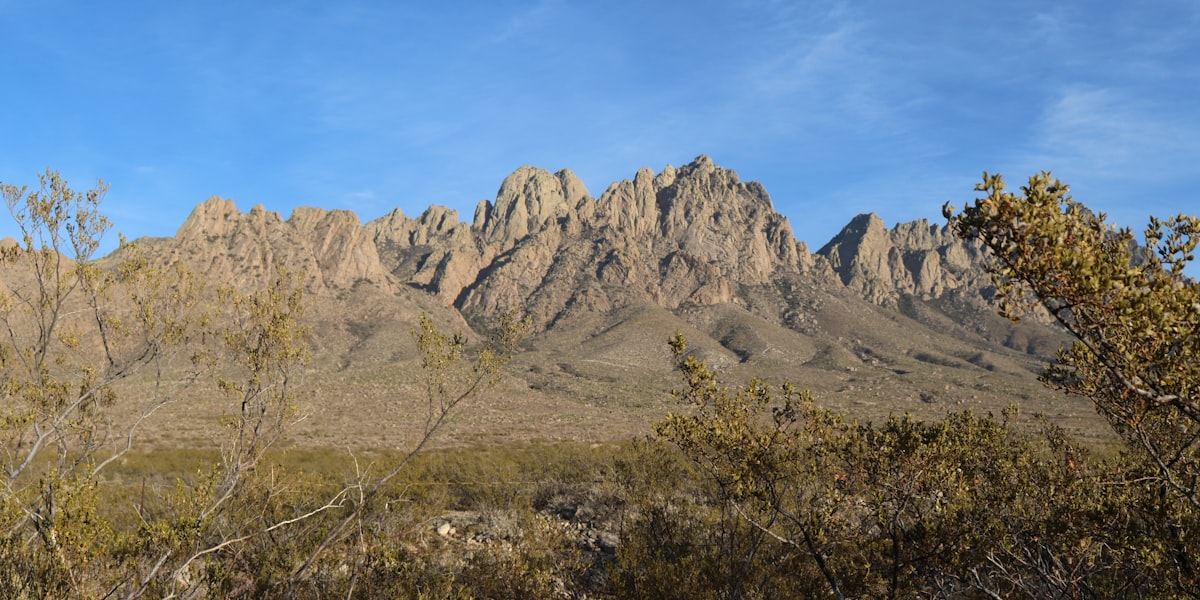
Las Cruces sits in the Mesilla Valley of southern New Mexico, framed by the jagged Organ Mountains to the east and the Rio Grande flowing through its heart. With a cost of living roughly 15-20% below the national average, over 350 days of sunshine, a genuine Southwestern cultural identity, and the practical backbone of a university town, Las Cruces offers retirees something increasingly rare in America: an affordable, comfortable life in a beautiful setting.
Key Takeaway
A retired couple can live comfortably in Las Cruces on $3,200-$3,800 per month — roughly 30-40% less than comparable cities in Arizona or Colorado. Budget-conscious retirees can manage on approximately $2,050 per month, making Las Cruces one of the most affordable retirement destinations in the American West.
The Neighborhoods: Where Retirees Actually Live
Las Cruces has expanded eastward toward the Organ Mountains while maintaining affordable pockets throughout the city. The area you choose shapes both your daily experience and your costs.
Sonoma Ranch and East Mesa
The eastern edge of Las Cruces has become the preferred area for retirees seeking newer construction and mountain views. Sonoma Ranch offers a master-planned community with a golf course, walking trails, and mountain panoramas. Homes rent for $1,300-$2,000 for a two- or three-bedroom, with shopping centers, restaurants, and medical offices nearby.
Mesilla and the Historic District
Old Mesilla is Las Cruces' cultural crown jewel — a historic village centered on the plaza where the Gadsden Purchase was signed in 1854. Adobe buildings house galleries, restaurants, and the famous La Posta de Mesilla. Homes run $1,200-$1,800 for a two-bedroom, attracting retirees who value character and culture over new construction.
Picacho Hills
For retirees seeking premium views, Picacho Hills sits on elevated terrain overlooking the entire Mesilla Valley. Custom homes with panoramic Organ Mountain views run $1,800-$2,500 per month. This is Las Cruces' most upscale residential area, with a country club and quiet desert roads.
A Day in the Life
Las Cruces runs on desert time. Mornings are glorious — cool, clear, and bright. By 7 AM the Organ Mountains are lit with golden light and the temperature hovers in the low 60s, perfect for walking the Triviz Trail or an early round at Sonoma Ranch Golf Course. The Las Cruces Farmers & Crafts Market on Main Street runs Wednesday and Saturday mornings year-round, serving as a social hub where retirees buy local produce, green chile by the bushel, and handmade goods.
Evenings bring cool desert air and spectacular sunsets. Dining is defined by New Mexican cuisine — enchiladas smothered in red or green chile, fresh sopapillas, and carne adovada at local institutions. Dinner for two at a mid-range restaurant runs $35-$55, substantially less than comparable meals in Phoenix or Denver. NMSU hosts concerts, lectures, theater, and Aggie athletics, providing entertainment that most cities this size cannot offer.
Healthcare: Solid Foundation with Regional Backup
MountainView Regional Medical Center is a 168-bed facility offering emergency services, cardiac care, orthopedics, and a cancer center. Memorial Medical Center, the county-owned hospital, provides additional capacity with a Level II trauma center and behavioral health services.
For advanced care, retirees look to El Paso, 45 minutes south on I-10, where University Medical Center, The Hospitals of Providence, and Las Palmas Del Sol Healthcare provide specialists in virtually every field. Some retirees maintain relationships in Albuquerque (3.5 hours north) for academic medical center capabilities.
Medicare is fully accepted at both local hospitals. Several Medicare Advantage plans offer networks that include both Las Cruces providers and El Paso specialists.
Key Takeaway
Las Cruces' proximity to El Paso effectively solves its biggest healthcare limitation. The 45-minute drive south gives retirees access to a metro of nearly one million people with full-service hospitals and an international airport — while living at Las Cruces' significantly lower cost of living.
Taxes: Know the Details
New Mexico's tax picture for retirees is more nuanced than Florida's or Arizona's:
- Social Security: Exempt from state tax if your AGI is below $100,000 (single) or $150,000 (married filing jointly). Above those thresholds, benefits are partially taxed.
- Pensions and retirement withdrawals: Subject to New Mexico's graduated income tax (1.7% to 5.9%). Retirees 65+ may qualify for an $8,000 deduction on retirement income.
- Property taxes: Among the lowest in the nation, averaging approximately 0.67% in Dona Ana County.
- Groceries: Not subject to sales tax, helping keep food costs low.
For many middle-income retirees with Social Security as their primary income, New Mexico's effective tax burden is quite modest. The extremely low property taxes and affordable housing more than compensate in most scenarios.
What Retirees Love
- The affordability. Housing costs 40-50% below the national median, cheap utilities, and restaurant prices that feel like a time warp compared to coastal cities. Your retirement savings simply stretch further here.
- The sunshine. Over 350 days of sunshine with low humidity. Winters are mild with daytime highs in the 50s and 60s. Dry summer heat is far more tolerable than the humid Gulf Coast.
- The culture. The intersection of Anglo, Hispanic, and Native American traditions creates a rich tapestry of food, art, music, and festivals including the annual Hatch Chile Festival and Dia de los Muertos celebrations.
- The university. NMSU brings 14,000 students, continuing education, Division I athletics, and a youthful energy that prevents the city from feeling like a retirement-only community.
What to Watch Out For
- Summer heat. Daytime highs regularly exceed 95°F from June through August. Low humidity helps, but outdoor activity shifts to early morning and evening during peak summer.
- Limited direct flights. Most retirees fly out of El Paso International Airport (45 minutes), which offers direct service to major hubs but fewer options than Phoenix or Dallas.
- Smaller-city limitations. With roughly 115,000 residents, Las Cruces has fewer restaurants, cultural venues, and shopping options than metropolitan areas. An extended visit before committing is wise.
- Social Security taxation. Higher-income retirees above the AGI thresholds will pay state tax on Social Security, reducing the tax advantage compared to Florida or Arizona.
Bottom Line
Las Cruces is the retirement destination for those who prioritize affordability, sunshine, and authentic Southwestern culture over big-city amenities. It delivers mountain views, outdoor recreation, rich traditions, and genuine community at a cost that punches well above its bracket. With El Paso's airport and hospitals 45 minutes away, Las Cruces gives you small-city living with big-city backup. Use Bullseye's projection tools to model how your income maps to life in the Mesilla Valley.