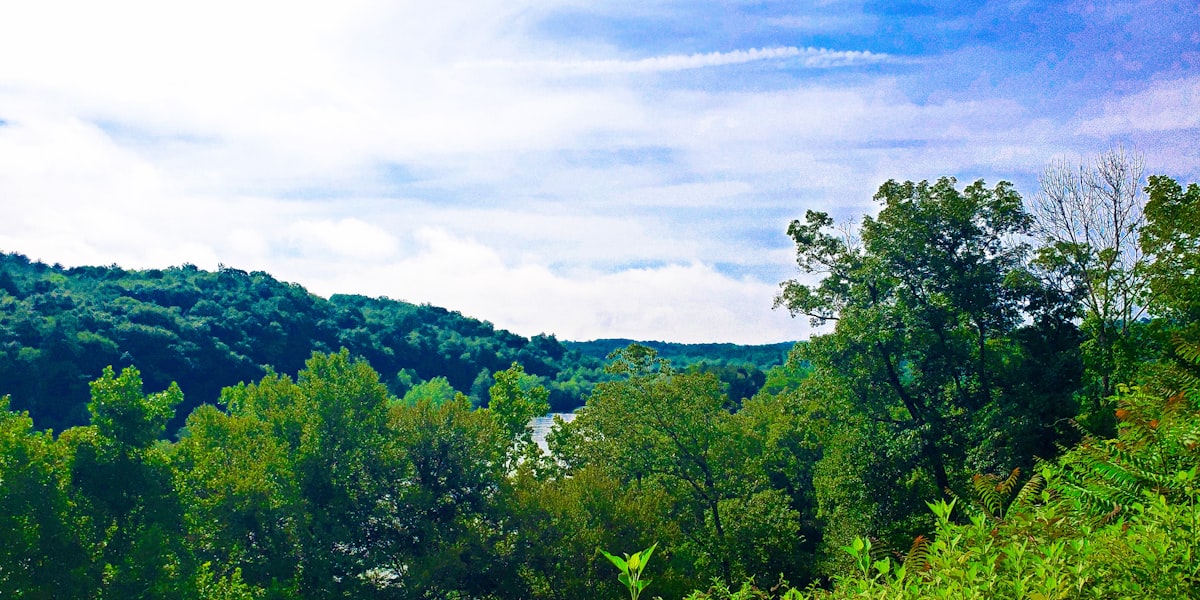
Asheville is not your typical retirement town. There are no golf-cart communities or early-bird dinner specials defining the culture here. Instead, you get a city of 95,000 nestled in the Blue Ridge Mountains where retired professors debate philosophy at independent bookshops, former executives pour craft beer at one of 100+ breweries, and the farm-to-table food scene has drawn James Beard Award recognition. For retirees who want intellectual stimulation, outdoor access, four mild seasons, and the full comfort of U.S. domestic living, Asheville has become one of the most compelling retirement destinations in America.
Key Takeaway
A retired couple can live comfortably in Asheville on $3,800-$4,500 per month, well below major metro costs while enjoying a nationally recognized arts and food scene, excellent healthcare, and the Blue Ridge Mountains at your doorstep. North Carolina does not tax Social Security income, and the flat 4.5% state income tax is competitive with other retirement-friendly states.
Where Retirees Live
Asheville's neighborhoods each have distinct personalities, and choosing the right one shapes your daily retirement experience as much as anything else.
North Asheville and Montford
These established neighborhoods near the Grove Park Inn and UNC Asheville campus attract retirees who want tree-lined streets, craftsman bungalows, and a walkable connection to downtown. Montford's historic homes — many dating to the early 1900s — offer character that new construction cannot replicate. Two-bedroom houses rent for $1,600-$2,400 per month, and the proximity to the Botanical Gardens, Beaver Lake, and downtown restaurants makes car-light living possible for some daily activities.
West Asheville
Once a working-class neighborhood, West Asheville has transformed into the city's most eclectic enclave. Haywood Road buzzes with breweries, coffee shops, yoga studios, and restaurants that reflect the area's creative, slightly countercultural energy. Housing is more affordable here — one- and two-bedroom apartments and duplexes run $1,100-$1,800 per month. Retirees who value authenticity over polish gravitate toward West Asheville.
Biltmore Village and South Asheville
Adjacent to the Biltmore Estate, this area offers the premium tier. Biltmore Village itself has charming shops and restaurants in Tudor-style buildings, while South Asheville provides newer developments, easy highway access, and proximity to the Blue Ridge Parkway. Rents for comfortable homes run $2,000-$3,500 per month. The Biltmore Town Square area has added modern retail and dining options that reduce the need to drive downtown.
Weaverville, Black Mountain, and Surrounding Towns
For retirees who want mountain living at lower costs, the small towns within 15-25 minutes of Asheville offer excellent value. Weaverville to the north and Black Mountain to the east each have their own charming downtowns, with rents running $1,000-$1,600 for a comfortable house. You sacrifice walkable urban amenities but gain quiet mountain settings and genuine small-town community.
The Outdoors: Asheville's Greatest Asset
The Blue Ridge Parkway — America's most visited National Park Service site — literally passes through Asheville. From downtown, you can reach a trailhead in 15 minutes and be hiking through old-growth forest with mountain vistas within 30. Pisgah National Forest covers over 500,000 acres to the south and west, with trails ranging from gentle riverside walks to challenging ridge climbs.
For retirees, the accessibility is key. You do not need to be a hardcore hiker to enjoy the outdoors here. The North Carolina Arboretum offers paved garden paths. The French Broad River runs through town with gentle kayaking and tubing options. The Botanical Gardens at Asheville are free and beautiful year-round. And the Blue Ridge Parkway overlooks provide stunning views without leaving your car on days when you prefer scenery to exertion.
The four-season climate adds variety that year-round warm destinations cannot match. Spring brings wildflowers and mild 65-75°F days. Summer stays warm but rarely brutal — highs in the mid-80s with cool mountain evenings. Fall transforms the mountains into a landscape of gold, orange, and crimson that draws visitors from across the country. Winter brings occasional snow and temperatures in the 30s-50s, cold enough for a cozy fireplace but mild enough to stay active outdoors most days.
Healthcare
Mission Hospital, now part of the HCA Healthcare system, is the regional medical center serving western North Carolina. It is a Level II trauma center with comprehensive specialist coverage, cardiac care, cancer treatment, and surgical services. The facility handles complex cases that would otherwise require travel to Charlotte (2 hours) or Atlanta (3.5 hours).
For retirees, Medicare works fully — including Medicare Advantage plans from UnitedHealthcare, Humana, Blue Cross Blue Shield of North Carolina, and others. The Mountain Area Health Education Center (MAHEC) provides primary care and geriatric services. A VA hospital also serves veterans in the area.
The healthcare landscape is not without issues. HCA's acquisition of Mission Hospital has generated community concern about service levels and billing practices. Some retirees report longer wait times for specialists than in larger metro areas. For routine and moderate-complexity care, the system works well. For highly specialized needs, Charlotte and Atlanta provide additional options within driving distance.
Key Takeaway
Medicare works fully in Asheville with multiple Medicare Advantage plan options. Mission Hospital provides comprehensive regional care, and Charlotte and Atlanta offer specialized backup within 2-3.5 hours. Budget $200-$700 per month for Medicare premiums and out-of-pocket costs depending on your plan and health needs.
Food, Arts, and Culture
Asheville's cultural scene is genuinely extraordinary for a city its size. The food landscape alone draws national attention — Curate (Spanish tapas), Chai Pani (Indian street food), and Benne on Eagle (Appalachian-African American cuisine) have all received James Beard recognition. The farm-to-table movement is embedded here, with restaurants sourcing from dozens of local farms within a 50-mile radius.
The brewery scene is legendary. Over 100 craft breweries and cideries operate in the metro area — more per capita than almost any U.S. city. Sierra Nevada's East Coast brewery, New Belgium's eastern facility, and dozens of innovative microbreweries make Asheville a craft beer capital.
The arts scene extends well beyond galleries. The River Arts District houses over 200 working artist studios. The Asheville Symphony, the Diana Wortham Theatre, and the Orange Peel concert venue provide year-round performing arts. Street buskers, drum circles in Pritchard Park, and gallery walks add spontaneous cultural texture to daily life.
What Retirees Love
- Mountain beauty with city culture. The rare combination of Blue Ridge Mountain scenery with a nationally recognized food, arts, and music scene. You get both without compromise.
- Four seasons without extremes. Warm summers, stunning fall foliage, mild winters, and wildflower springs. You experience seasonal change without the brutal cold of the Northeast or the relentless heat of Florida.
- No Social Security tax. North Carolina does not tax Social Security benefits, and the flat 4.5% state income tax rate is competitive with other retirement-friendly states.
- Active retirement lifestyle. Hiking, kayaking, cycling, yoga, volunteering, pottery classes, brewery tours — Asheville caters to retirees who want to stay engaged and active rather than slow down.
What to Watch Out For
- Rising costs. Asheville's popularity has driven housing costs above the North Carolina average. The city is no longer the hidden gem it was a decade ago, and housing costs in particular have increased significantly.
- Tourist congestion. From April through November — especially October leaf season — downtown Asheville fills with tourists. Restaurants book up, parking becomes difficult, and the Blue Ridge Parkway sees bumper-to-bumper traffic at popular overlooks.
- Car dependency. Despite a walkable downtown, the broader metro area requires a car. Public transit (ART buses) is limited in routes and frequency. Mountain geography makes cycling practical only for the fit and adventurous.
- Winter driving. Mountain roads can ice over in winter, and steep grades make driving treacherous during occasional snow and ice events. Four-wheel drive or all-wheel drive is recommended for residents in outlying areas.
Bottom Line
Asheville is the top domestic retirement pick for active retirees who want cultural richness, mountain beauty, four seasons, and full U.S. convenience without the complications of international living. It costs more than many international destinations but less than major U.S. metros, and the combination of no Social Security tax, excellent healthcare access, and a genuinely engaging lifestyle makes it worth every dollar. Use Bullseye's projection tools to model how your specific retirement income maps to life in the Blue Ridge Mountains.