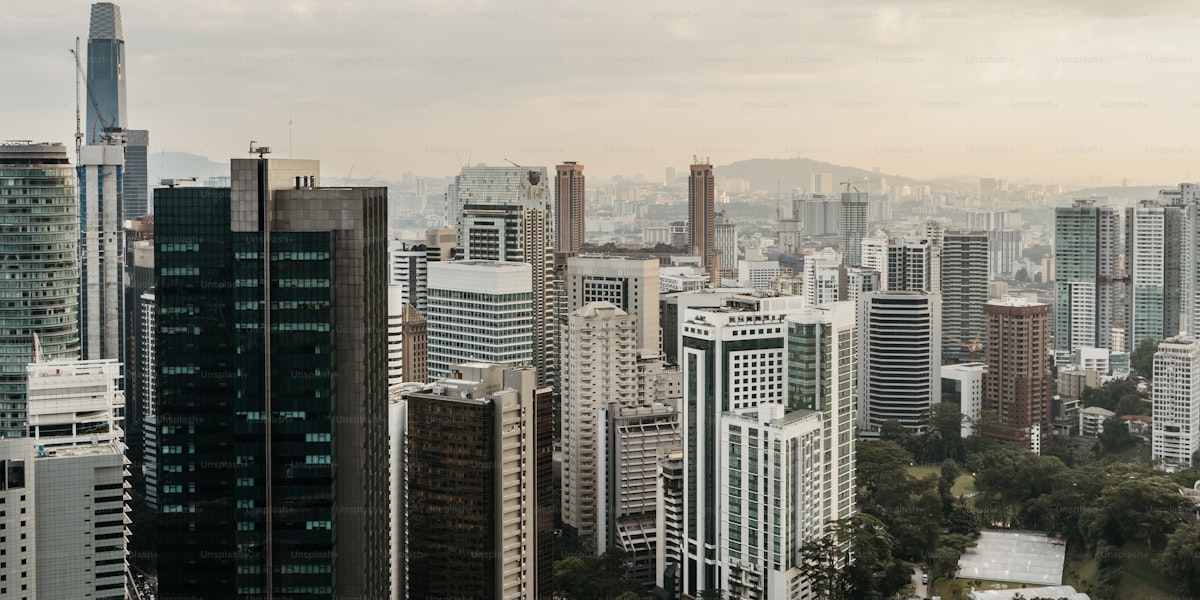
Kuala Lumpur is the rare city that delivers a genuinely first-world living experience at developing-world prices. American retirees who choose KL get world-class private hospitals, modern rail transit, gleaming shopping malls, and what many consider the best food scene in Asia, all for a monthly cost that would barely cover rent in most US cities. If you can handle the tropical heat and the long flight home, Kuala Lumpur offers extraordinary value for money.
Why Retirees Choose Kuala Lumpur
The healthcare alone is worth the move for many retirees. Malaysia's private hospitals consistently rank among the best in Asia, with facilities like Gleneagles KL, Prince Court Medical Centre, and Pantai Hospital offering JCI-accredited care with English-speaking doctors, many of whom trained in the UK, Australia, or the US. A specialist consultation costs $20 to $50. A full-body health screening that would run $3,000 in the US costs $150 to $400 in KL. Dental work runs 60 to 80 percent less than US prices. Medical tourism is a major industry, and retirees living here benefit from that infrastructure every day.
English proficiency is another major draw. Malaysia's colonial history and multilingual education system mean that English is widely spoken across all ethnic groups and used extensively in business, healthcare, government signage, and media. You can navigate daily life, handle banking, see a doctor, and read the newspaper entirely in English. This is a massive advantage over most other Southeast Asian destinations where language barriers are a constant challenge.
Best Neighborhoods for Retirees
Mont Kiara
This affluent enclave north of the city center is the most popular area for Western expats. Modern condominium developments with swimming pools, gyms, tennis courts, and 24-hour security are the norm. International restaurants, cafes, and the 1Mont Kiara and Solaris Mont Kiara retail complexes provide everyday convenience. Two-bedroom condos rent for MYR 2,500 to MYR 4,500 ($575 to $1,035) per month. The area has an established expat community with regular social events and activities.
Bangsar
Bangsar is KL's most cosmopolitan neighborhood, popular with both locals and expats who enjoy a village-like atmosphere within the city. Tree-lined streets, independent cafes, excellent restaurants, and the Bangsar Village shopping complex create a walkable and pleasant daily environment. It is well connected to the city center via the LRT rail line. One-bedroom condos range from MYR 2,000 to MYR 3,500 ($460 to $805) per month.
KLCC and Bukit Bintang
For retirees who want to be in the heart of the action, the area around the Petronas Twin Towers and the Bukit Bintang shopping district offers the most urban and connected lifestyle. KLCC Park provides green space amid the towers, and the concentration of malls, restaurants, and cultural venues is unmatched. Premium condos with skyline views run MYR 3,500 to MYR 7,000 ($805 to $1,610) per month, but the location means you may never need a car.
Key Takeaway
Mont Kiara offers the easiest transition for American retirees with its established expat infrastructure. Bangsar is better for those who want to live among Malaysians with an international flavor. Regardless of neighborhood, most KL condos include facilities like pools, gyms, and security that would cost thousands extra in the US.
The MM2H Visa Challenge
The Malaysia My Second Home (MM2H) programme was once Southeast Asia's most attractive retirement visa. However, requirements were dramatically tightened in 2021, and the programme now demands significantly higher financial thresholds. Applicants over 50 must demonstrate MYR 40,000 per month in offshore income (approximately $9,200) and place MYR 1 million in a fixed deposit at a Malaysian bank. These requirements put the programme out of reach for many average retirees.
There are alternatives. The Sarawak S-MM2H programme, administered by the state of Sarawak on Borneo, has more accessible requirements and can serve as a base for living in Peninsular Malaysia. The DE Rantau Digital Nomad Pass is another option for retirees with freelance or consulting income. Some retirees also use a combination of tourist visa runs (90 days visa-free for Americans) and short trips to neighboring countries, though this is not a formal residency solution. Working with a Malaysian immigration specialist is strongly recommended.
Healthcare: A Global Benchmark
Malaysia's private healthcare system is genuinely world-class and represents the single strongest argument for retiring in KL. Prince Court Medical Centre, located near the Petronas Towers, is regularly ranked among the best hospitals in the world. Gleneagles KL, Pantai Hospital KL, and Sunway Medical Centre offer similarly high standards. All operate with English-speaking staff, modern equipment, and international accreditation.
Out-of-pocket costs are remarkably low even without insurance. A GP visit runs MYR 35 to MYR 80 ($8 to $18), a specialist consultation MYR 100 to MYR 250 ($23 to $58), and prescription medications cost a fraction of US prices. Private health insurance for retirees in their 60s costs MYR 5,000 to MYR 15,000 ($1,150 to $3,450) per year depending on coverage. Even the most comprehensive private care in Malaysia costs less than a basic plan in the US.
Key Takeaway
If healthcare quality is your top retirement priority, Kuala Lumpur belongs at the top of your list. The combination of JCI-accredited hospitals, English-speaking doctors, and prices 50 to 70 percent below US levels is hard to match anywhere in the world. Many retirees in neighboring countries fly to KL specifically for medical procedures.
The Food Capital of Asia
Many food writers and chefs consider Kuala Lumpur the best food city in Asia, and living here you will quickly understand why. The city's multicultural population of Malay, Chinese, Indian, and international communities has created a food scene of extraordinary depth and variety. Hawker stalls and kopitiams (traditional coffee shops) serve nasi lemak, char kway teow, roti canai, and laksa for MYR 5 to MYR 15 ($1.15 to $3.45) per dish. A full meal at a mid-range restaurant costs MYR 30 to MYR 60 ($7 to $14).
For retirees who cook at home, wet markets offer fresh produce, seafood, and meats at prices that make US grocery stores seem absurd. Jaya Grocer and Village Grocer carry imported Western products for those craving familiar brands, though at a premium. The variety and quality of food available at every price point is one of the genuine daily pleasures of living in KL.
Taxes: The Territorial Advantage
Malaysia's territorial tax system is a major financial benefit for American retirees. Foreign-sourced income, including US Social Security, pension distributions, and investment income, that is remitted to Malaysia is currently exempt from Malaysian tax (this exemption has been extended through 2026). This means your retirement income arrives in Malaysia without any local tax bite. Combined with the US-Malaysia tax treaty, most retirees find their tax situation is either neutral or improved compared to living in the US.
Practical Considerations
The tropical climate is the most polarizing aspect of KL life. Temperatures hover between 75 and 92 degrees F year-round with high humidity. There is no cool season. Air conditioning is not a luxury but a necessity, and your electricity bill will reflect that. Some retirees love the consistent warmth; others find the relentless heat and humidity draining. Brief, intense afternoon thunderstorms are common and actually provide welcome relief.
KL's infrastructure is excellent. The LRT, MRT, and monorail systems cover most of the city, and the Grab ride-hailing app provides cheap and reliable car service. Internet speeds average 130 Mbps with fiber widely available. The main challenge is distance from the US: flights from the East Coast take 22 to 24 hours with at least one stop, typically through Tokyo, Seoul, or Doha. This makes quick trips home impractical and is a real consideration for retirees with family ties in the US.
Is Kuala Lumpur Right for You?
Kuala Lumpur is the top choice for retirees who prioritize world-class healthcare, English fluency, modern infrastructure, and extraordinary food at rock-bottom prices. It works best for those comfortable with tropical heat, willing to navigate the MM2H visa challenge, and prepared for a long journey home. If you want the most modern, convenient, and medically secure retirement in Southeast Asia, KL sets the standard. A couple living comfortably on $1,800 to $2,200 per month here would need $5,000 or more for the equivalent lifestyle in most US cities.