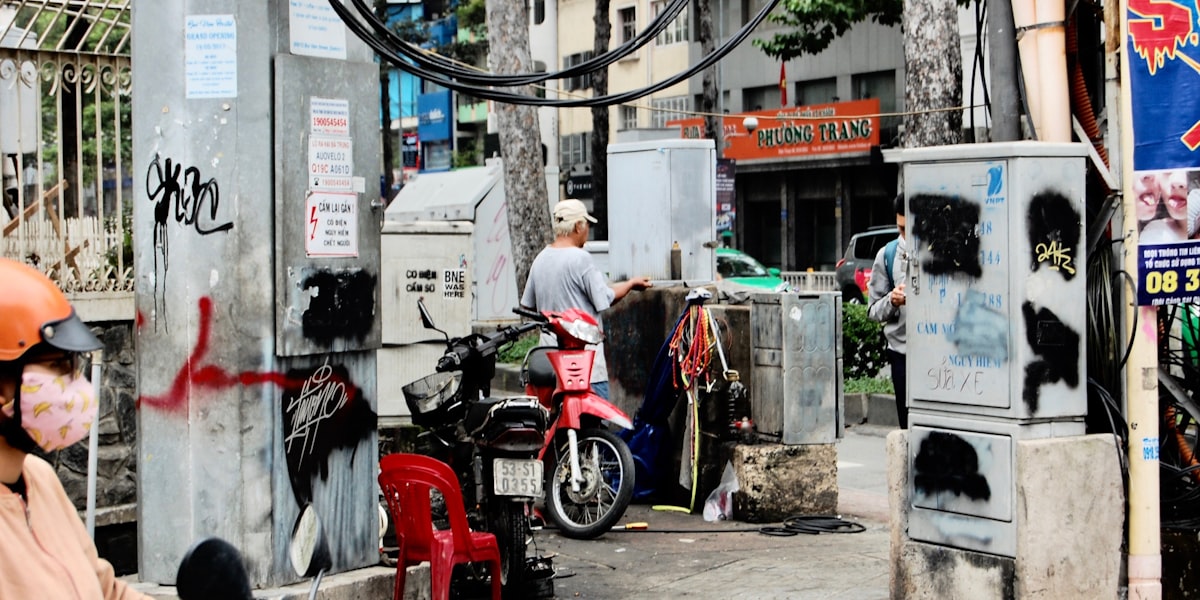
Ho Chi Minh City, still affectionately called Saigon by most locals and expats, is one of the most dynamic cities in Southeast Asia and one of the cheapest places on earth to live well. For American retirees willing to embrace its frenetic energy, this city of 10 million people offers a lifestyle that includes excellent private healthcare, legendary food, French colonial charm, and a cost of living that makes a modest Social Security check feel like a generous salary.
Why Retirees Choose Ho Chi Minh City
The economics are staggering. A single retiree can live comfortably on $850 to $1,200 per month, and a couple can enjoy an excellent lifestyle on $1,650 to $2,000. This is not just about cheap street food, although a steaming bowl of pho from a sidewalk stall does cost just $1.50 to $2. This includes a modern air-conditioned apartment with a pool, eating out daily, regular medical checkups at private hospitals, and a cleaning lady who comes twice a week. For retirees whose nest egg is smaller than they had hoped, HCMC can extend their retirement by decades.
But Ho Chi Minh City is not just about saving money. The city has a contagious energy that many retirees find rejuvenating rather than exhausting. The streets pulse with life from dawn until late at night. Markets overflow with tropical fruit, fresh seafood, and flowers. Rooftop bars offer cocktails with views of a skyline that changes every year as new towers rise. The French colonial architecture of District 1, from the Notre Dame Cathedral to the Central Post Office, adds a layer of elegance that is uniquely Vietnamese. This is a city that feels like it is going somewhere, and that optimism is infectious.
Best Districts for Retirees
District 2 (Thu Duc City) - Thao Dien
Thao Dien is the undisputed expat hub of Ho Chi Minh City. Located across the river from the city center, this leafy neighborhood has an established community of Western families and retirees, with international restaurants, boutique cafes, yoga studios, and the Thao Dien Pearl and Estella Heights condo developments. Two-bedroom condos with pool and gym rent for VND 15 to 25 million ($600 to $1,000) per month. The area feels calmer than the city center while remaining just 15 minutes from District 1 by taxi.
District 7 (Phu My Hung)
This planned community in the south of the city is the most organized and green neighborhood in HCMC. Wide boulevards, manicured parks, international schools, and the Crescent Mall create an environment that feels like a different city entirely. Korean, Japanese, and Western expats are well represented. One-bedroom apartments range from VND 10 to 18 million ($400 to $720) per month. The trade-off is less local Vietnamese character and a somewhat sterile atmosphere compared to the rest of Saigon.
District 1 (Ben Thanh area)
The city center is for retirees who want to be immersed in the action. The area around Ben Thanh Market, the Nguyen Hue walking street, and the Opera House offers a concentration of culture, dining, and nightlife unmatched anywhere else in the city. Serviced apartments in District 1 range from VND 12 to 35 million ($480 to $1,400) per month. Noise and traffic are intense, but for urban enthusiasts, there is nowhere more alive in Southeast Asia.
Key Takeaway
Thao Dien in District 2 is the safest bet for most American retirees, offering an established expat community, Western-friendly amenities, and a calmer environment than the city center. If you want the full Saigon experience, spend three months in District 1 first to see if the energy energizes or exhausts you.
The Visa Situation
Vietnam's biggest drawback for retirees is the lack of a dedicated retirement visa. Most American retirees use the 90-day e-visa, which costs $25 and can be obtained online before arrival. When it expires, retirees either do a brief border run to Cambodia or Thailand, renew through a local travel agent, or leave and re-enter. While this system works and is widely used, it lacks the security and stability of a proper long-term residence permit.
Longer-term options exist but are more complex. Retirees married to Vietnamese nationals can obtain a 5-year visa exemption. Investment or business visas are possible for those willing to establish a Vietnamese company or make a qualifying investment. There have been ongoing discussions about Vietnam introducing a proper retirement visa, but as of early 2026 nothing has been finalized. Working with a Vietnamese immigration lawyer is recommended for anyone planning a stay beyond the tourist visa cycle.
Healthcare: Better Than You Expect
Vietnam's private healthcare sector has modernized rapidly, and Ho Chi Minh City has several hospitals that meet international standards. FV Hospital (Franco-Vietnamese) is the most popular among Western expats, offering JCI-accredited care with English and French-speaking doctors. Vinmec International Hospital, part of the Vingroup conglomerate, has invested heavily in modern equipment and facilities. Columbia Asia is another reliable option for outpatient care.
Costs are remarkably low. A specialist consultation at FV Hospital runs VND 500,000 to 1,000,000 ($20 to $40). A comprehensive health screening costs VND 3 to 8 million ($120 to $320). Dental cleanings run $20 to $40, and a dental crown costs $150 to $300 compared to $1,000 or more in the US. Private health insurance for expats in their 60s runs $1,500 to $4,000 per year depending on coverage and provider.
For complex procedures, some expats travel to Bangkok or Singapore, both accessible by short flights. However, for the vast majority of routine and even moderately complex care, HCMC's private hospitals are more than adequate.
Key Takeaway
FV Hospital in District 7 is the gold standard for expat healthcare in HCMC. Register there as a patient when you arrive and use it as your primary facility. For emergencies and complex procedures, its JCI accreditation and English-speaking staff provide genuine peace of mind at prices that would be considered pocket change in the US.
The Food: Saigon's Greatest Gift
Vietnamese food is widely considered one of the world's great cuisines, and Ho Chi Minh City is its capital. From the national dish of pho, served at thousands of stalls from dawn onwards, to the crispy banh mi sandwiches that rival any Parisian baguette, to the elegant flavors of bo luc lac (shaking beef) and goi cuon (fresh spring rolls), eating in Saigon is a daily adventure. A street food meal costs VND 30,000 to 60,000 ($1.20 to $2.40). A full dinner at an excellent Vietnamese restaurant runs VND 200,000 to 400,000 ($8 to $16) per person.
The city's French colonial heritage adds another dimension. Vietnamese coffee culture, centered on ca phe sua da (iced coffee with condensed milk), is outstanding. Bakeries turn out French-quality croissants and pastries at a fraction of Parisian prices. And for those missing Western food, Thao Dien and District 1 offer everything from wood-fired pizza to craft burgers to Japanese sushi, all at prices well below what you would pay in the US.
Practical Considerations
Traffic is the elephant in the room. Ho Chi Minh City has over 8 million registered motorbikes, and crossing the street is an art form that takes practice. Expats quickly learn the technique of walking steadily and letting the motorbike flow part around you, but it never feels entirely natural. For getting around, the Grab ride-hailing app is essential and extremely affordable: a 20-minute car ride costs $3 to $5. The city's first metro line opened in late 2024, with additional lines under construction that will significantly improve transit options.
The climate is hot year-round, with temperatures between 75 and 95 degrees F and high humidity. The rainy season from May through November brings daily afternoon downpours that typically last one to two hours before clearing. Air quality in central districts can be poor, particularly during rush hours. Internet speeds average 100 Mbps with fiber available in most apartment buildings, adequate for all streaming and communication needs.
English proficiency is improving among younger Vietnamese, and in expat areas and tourist districts you can manage most interactions in English. However, outside these zones, Vietnamese is the only language, and it is a tonal language that is extremely difficult for English speakers to learn. Having a few Vietnamese phrases and a translation app on your phone is essential for daily life.
Is Ho Chi Minh City Right for You?
Ho Chi Minh City is the ultimate value play for adventurous retirees. If you thrive on urban energy, love Asian food, and want your retirement savings to last as long as possible, HCMC delivers a lifestyle that no Western city can match at anywhere near the price. It works best for retirees who are adaptable, healthy, and energized rather than stressed by a fast-paced environment. If you need quiet streets, pristine air quality, and a simple visa process, look at Da Nang or Chiang Mai instead. But if you want to feel fully alive every single day of your retirement, Saigon is hard to beat.