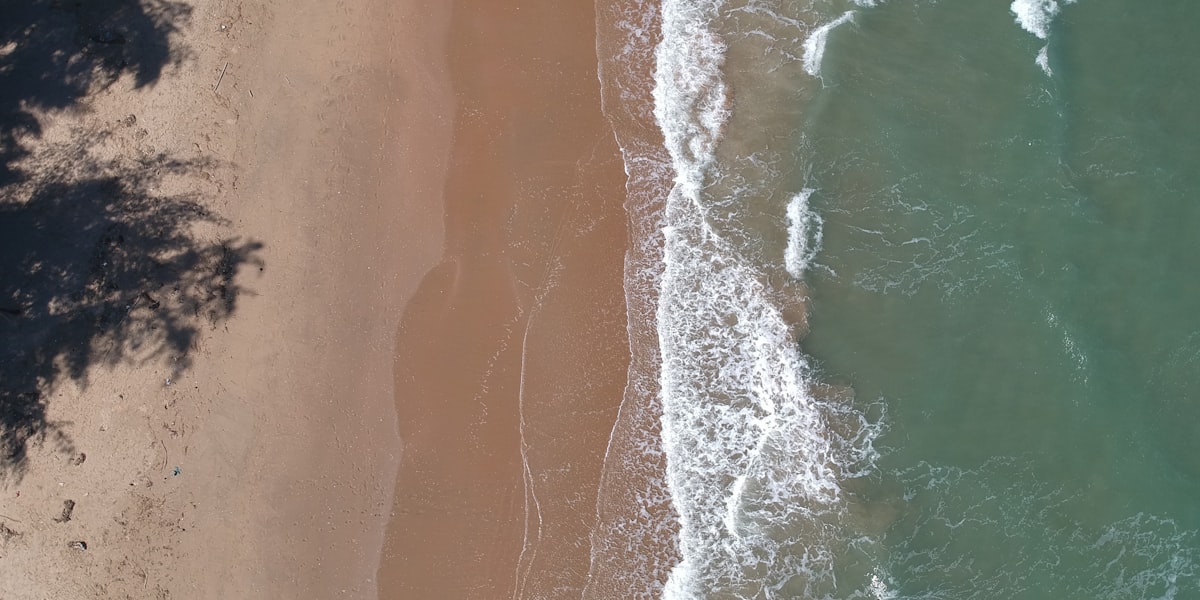
While Chiang Mai and Bangkok grab most of the headlines for Thai retirement, a growing number of American retirees are quietly discovering Hua Hin, Thailand's original beach resort town. Favored by the Thai royal family since the 1920s, this seaside city on the Gulf of Thailand offers something rare in Southeast Asia: a genuine beach lifestyle, world-class golf, and quality healthcare without the tourist party atmosphere that defines Pattaya or Phuket. Monthly costs starting at $1,000 make it one of the best-value coastal retirement spots in the world.
Why Retirees Choose Hua Hin
Hua Hin occupies a unique niche among Thai retirement destinations. It is a real Thai town first and a tourist destination second, which gives it an authenticity that purpose-built resort areas lack. The long beachfront stretches for kilometers, the Chatchai Night Market buzzes with local families rather than tour groups, and the pace of life is decidedly unhurried. For retirees who want beach living without the chaos, Hua Hin hits the mark.
The town's proximity to Bangkok is a significant practical advantage. The capital is just 2.5 to 3 hours away by car or van, giving Hua Hin residents easy access to Suvarnabhumi International Airport, Bangkok's world-class hospitals like Bumrungrad, shopping malls, and embassy services. Some retirees make the Bangkok run monthly for specialty medical care or simply for a change of pace before returning to their quiet beachside routine.
Key Takeaway
Hua Hin is the Goldilocks of Thai retirement: close enough to Bangkok for convenience, far enough for peace and quiet, with beach access and golf that rivals destinations costing three to four times more. It attracts retirees who have moved past wanting excitement and now prioritize comfort, safety, and a genuine community feel.
Cost of Living: Beach Town Affordability
Housing
Hua Hin housing offers excellent value compared to other Southeast Asian beach destinations. A basic one-bedroom condo near Khao Takiab or the southern end of town starts at $300 to $400 per month. The comfortable middle range gets you a modern two-bedroom condominium with a pool near the town center or beach for $500 to $700. Pool villas in residential developments like Palm Hills, Black Mountain, or Hua Hin Soi areas rent for $900 to $1,500 per month. Purchasing property through a Thai condominium structure is also possible and popular among long-term retirees.
Food
Eating in Hua Hin mirrors the broader Thai value proposition. Street food meals of pad thai, som tam (papaya salad), or grilled seafood cost $1.50 to $3 from market vendors and roadside stalls. The Chatchai Day Market and Night Market are social hubs where retirees shop for fresh produce and enjoy cheap prepared meals. Western restaurants along the beachfront and in the Market Village and BluPort shopping centers charge $8 to $18 per meal. Fresh seafood, purchased directly from the fishing pier, is a particular highlight, with whole grilled fish and prawns available at prices that would be unthinkable in the West.
Healthcare
Healthcare in Hua Hin has improved significantly with Bangkok Hospital Hua Hin serving as the primary private facility. It offers modern equipment, English-speaking doctors, and direct billing with many international insurance providers. A general consultation costs $20 to $40. For more complex procedures or specialist care, the three-hour drive to Bangkok opens up access to Bumrungrad, Bangkok Hospital, and other internationally accredited facilities. Annual health insurance meeting Thai visa requirements costs $1,500 to $4,000 per year depending on age and coverage level.
Key Takeaway
Bangkok Hospital Hua Hin handles the vast majority of routine and moderate medical needs capably. For anything requiring specialist intervention, Bangkok is close enough for a day trip. Many retirees schedule their annual comprehensive health checkups at Bumrungrad in Bangkok, combining it with shopping and dining in the capital.
Visa and Residency
Thailand's retirement visa requirements apply uniformly across the country, so Hua Hin retirees follow the same process as those in Chiang Mai or Bangkok. The Non-Immigrant O-A visa requires applicants to be 50 or older with either a monthly income of 65,000 THB (approximately $1,850 USD) or a Thai bank deposit of 800,000 THB (approximately $22,800 USD). Health insurance with at least 100,000 USD in coverage is mandatory. The local immigration office in Hua Hin is known for being relatively efficient and less crowded than Bangkok's, which is a small but appreciated benefit.
The Long-Term Resident (LTR) visa is an attractive option for higher-income retirees. Requiring annual income of $80,000 or more, the LTR provides a 10-year visa, exemption from Thai income tax on foreign earnings, and priority processing at immigration. While the income bar is high, retirees who qualify find it eliminates the annual renewal process and tax concerns entirely.
Golf, Beaches, and Daily Life
Golf is arguably Hua Hin's single greatest recreational draw. The area boasts over a dozen courses, including the internationally renowned Black Mountain Golf Club and the scenic Banyan Golf Club. Green fees range from $30 to $80 per round, a fraction of comparable courses in the U.S. or Australia. Many retirees play three or four times a week, something that would cost a small fortune elsewhere. Golf communities and social leagues provide a built-in social network for newcomers.
Beyond golf, Hua Hin's beaches stretch for kilometers along the Gulf of Thailand. While the sand is not the powdery white of Thailand's southern islands, the wide beaches are perfect for morning walks, swimming, and horseback rides at sunset, a Hua Hin tradition. The nearby Khao Sam Roi Yot National Park offers hiking, cave exploration, and wildlife watching. The Cicada Night Market, held on weekends, features local art, live music, and handmade crafts in a pleasant open-air setting.
Potential Drawbacks
Hua Hin's strengths as a quiet, safe town can also be limitations. Retirees who thrive on cultural stimulation, diverse international dining, or a bustling nightlife scene may find Hua Hin too sleepy. The expat community, while friendly and established, is noticeably smaller than Chiang Mai's or Bangkok's. English is less widely spoken in Hua Hin than in major tourist centers, so basic Thai phrases are more useful here than in Bangkok.
The heat from April through June can be intense, with temperatures regularly exceeding 95 degrees Fahrenheit and high humidity. Unlike Chiang Mai's cooler mountain climate, Hua Hin is at sea level and does not offer much escape from the heat outside of air-conditioned spaces. All international flights require transit through Bangkok, adding travel time and cost for trips back to the U.S.
Key Takeaway
Hua Hin is the ideal Thai retirement destination for retirees who prioritize safety, golf, beach access, and a quiet daily rhythm over nightlife and cultural intensity. Its proximity to Bangkok provides a safety net for healthcare and travel, while the town itself delivers the relaxed coastal lifestyle at a price point that makes American beach towns look wildly overpriced. If your vision of retirement includes morning walks on the beach and afternoon rounds of golf, Hua Hin was made for you.