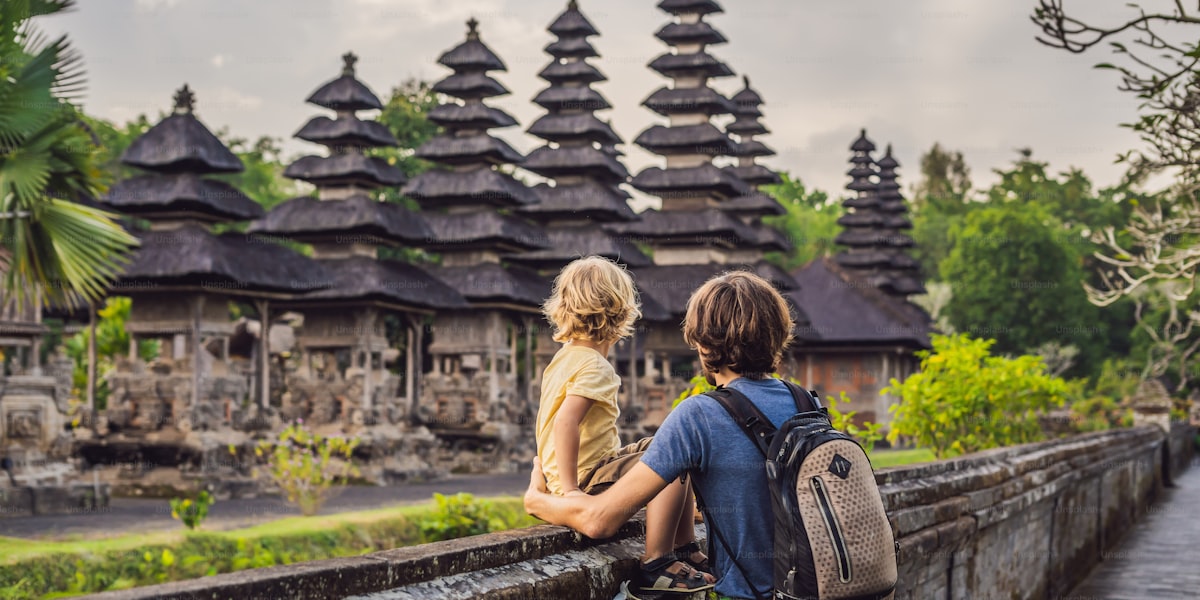
Bali has earned its reputation as one of the most magical places on Earth, and for American retirees seeking an affordable tropical paradise with a thriving international community, it delivers on nearly every front. With lush rice terraces cascading down volcanic hillsides, world-class beaches, daily Hindu temple ceremonies perfuming the air with incense, and a cost of living that starts around $1,000 per month, Bali offers a retirement lifestyle that most Americans could only dream of at home.
Why Retirees Choose Bali
The appeal of Bali goes far beyond its postcard-perfect scenery. The island has developed one of the largest and most diverse expat communities in all of Southeast Asia. In areas like Ubud, Canggu, and Seminyak, English is widely spoken, Western-style cafes and restaurants are abundant, and social groups for retirees meet regularly. Unlike many retirement destinations where you may feel like a pioneer, Bali has well-established infrastructure for foreign residents, including visa agents, international schools, coworking spaces, and English-speaking medical clinics.
The cultural experience is unlike anything available in other retirement hotspots. Bali is the only Hindu-majority island in Indonesia, and daily life is infused with ceremony, artistry, and spirituality. Ornate temple offerings line every sidewalk each morning. Elaborate cremation ceremonies, temple festivals, and traditional dance performances happen weekly. For retirees who value cultural richness and a sense of wonder in their daily lives, Bali provides it in abundance.
Key Takeaway
Bali combines tropical island beauty, a massive expat support network, and Southeast Asian affordability into a package that few destinations can match. A couple can rent a private villa with a pool for less than a studio apartment costs in most American cities.
Cost of Living: Island Life on a Budget
Housing
Housing in Bali is remarkably affordable, especially considering what you get. A basic one-bedroom apartment in Denpasar or a modest room in Ubud starts at $300 to $450 per month. The sweet spot for most retirees is a two-bedroom villa with a private pool in areas like Canggu, Ubud, or Sanur, which typically runs $600 to $900 per month. Luxury villas with expansive gardens, infinity pools, and full staff in prime Seminyak or clifftop Uluwatu locations go for $1,200 to $2,000. Long-term leases of one year or more offer significant discounts over monthly rentals.
Food
Eating in Bali can be extraordinarily cheap or surprisingly expensive depending on your choices. A full meal at a local warung, the small family-run eateries found on every street, costs $1.50 to $3 for dishes like nasi goreng, mie goreng, or babi guling (roasted suckling pig). Western-style cafes and restaurants in expat areas charge $8 to $20 per meal. Fresh tropical fruits from local markets cost pennies. A couple cooking at home with a mix of local and imported groceries can expect to spend $250 to $400 per month.
Healthcare
Bali has adequate healthcare for routine medical needs, with BIMC Hospital in Kuta and Siloam Hospital offering modern facilities with English-speaking doctors. A general consultation costs $25 to $50, and dental work runs 50 to 70 percent less than U.S. prices. However, for serious medical conditions or complex surgeries, many expats travel to Singapore, Bangkok, or Jakarta, which is why comprehensive international insurance with medical evacuation coverage is strongly recommended. Annual premiums for quality international insurance range from $2,000 to $5,000 depending on age.
Key Takeaway
Bali's healthcare is improving rapidly but is still best suited for routine and preventive care. Budget for international health insurance that includes medical evacuation to Singapore, which is a three-hour flight away and offers world-class hospitals. Many retirees combine Bali living with annual medical checkups in Bangkok or Singapore.
Visa and Residency
Indonesia offers a specific retirement visa called the Retirement KITAS for foreigners aged 55 and older. The requirements include proof of pension or retirement income of at least $1,500 per month, Indonesian health insurance, and proof of accommodation such as a lease agreement. Most retirees work with a local visa agent who handles the paperwork for $500 to $800 annually. The KITAS is valid for one year and renewable for up to five consecutive years, after which you can apply for a KITAP (permanent stay permit).
An important consideration is that Indonesia does not offer a path to citizenship for foreign retirees. Even with a KITAP, you remain a foreign resident and cannot vote, own freehold land, or obtain an Indonesian passport. Property ownership must be structured through long-term leases (hak sewa) or through a nominee arrangement, which carries its own risks. Retirees should consult with a reputable Indonesian legal advisor before making property commitments.
Daily Life and Culture
Daily life in Bali revolves around the island's unique blend of natural beauty, spirituality, and community. Many retirees start their mornings with a yoga class or a walk through rice paddies before settling into a cafe for breakfast. Ubud, the cultural heart of Bali, offers art galleries, traditional craft markets, monkey forests, and world-renowned dance performances. Beach towns like Sanur provide a quieter, more village-like atmosphere favored by older expats, while Canggu and Seminyak cater to those who enjoy a more active social scene.
One of the great luxuries of Bali retirement is the affordability of personal services. A one-hour traditional Balinese massage costs $8 to $15. Full-time household help, including a cook and cleaner, can be hired for $200 to $400 per month. A personal driver costs $30 to $50 per day. These services, prohibitively expensive in the West, are accessible to virtually any retiree in Bali and significantly enhance quality of life.
Potential Drawbacks
Distance from the United States is the most significant barrier. Flights from the U.S. to Bali take 24 hours or more with at least two connections, making family visits expensive and exhausting. Traffic in southern Bali has become notoriously congested, with a five-kilometer journey sometimes taking 45 minutes during peak hours. The wet season from November through March brings daily downpours and high humidity, and the island's drainage infrastructure struggles with heavy rainfall, causing occasional flooding in low-lying areas.
Bureaucracy can be frustrating. Visa renewals, property transactions, and business dealings often require patience and local knowledge. Many retirees rely on a trusted local fixer or visa agent to navigate these processes. Additionally, while Bali is generally safe, petty theft and scam attempts targeting foreigners do occur, particularly in tourist-heavy areas.
Key Takeaway
Bali is ideal for retirees who prioritize natural beauty, cultural richness, and an active expat social scene over proximity to the United States. If you are comfortable with a long flight home, can accept healthcare limitations that require evacuation insurance, and embrace the island's unique rhythm, Bali delivers a retirement lifestyle that is genuinely difficult to replicate anywhere else at this price point.