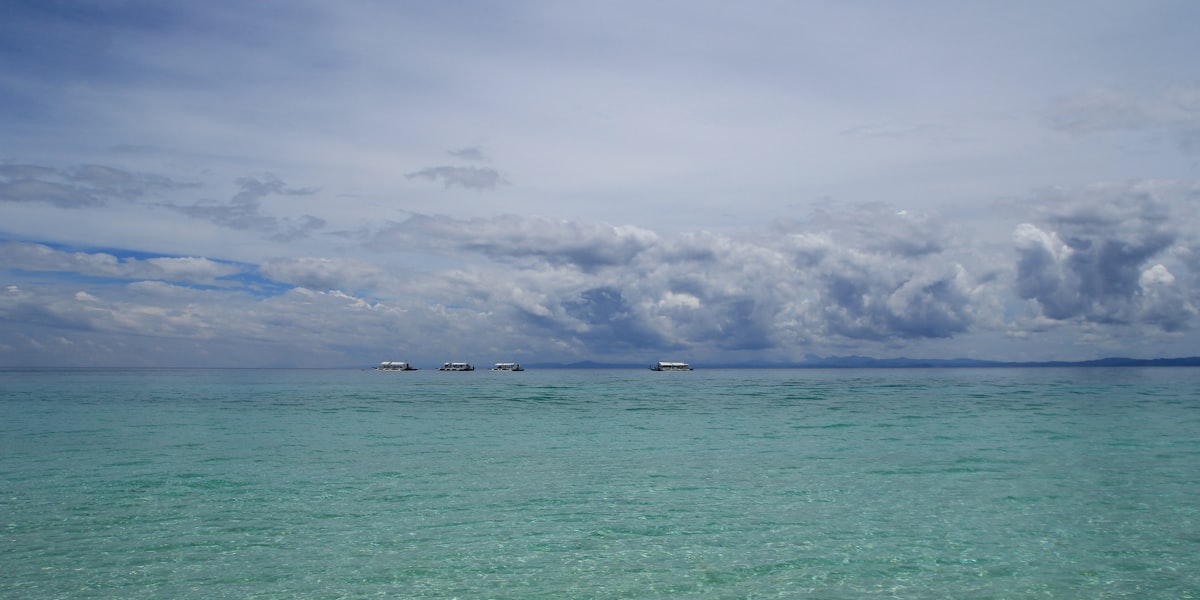
For American retirees who want Southeast Asian affordability without a language barrier, Cebu stands in a class of its own. The Philippines is the only major retirement destination in Asia where English is an official language, spoken fluently by the vast majority of the population. Combined with a deep cultural connection to the United States, stunning tropical islands, and a retirement visa that is among the easiest to obtain in the world, Cebu offers a uniquely accessible entry point to the affordable Asian retirement lifestyle.
Why Retirees Choose Cebu
The English advantage cannot be overstated. In Cebu, you can communicate effortlessly with your doctor, your landlord, your banker, your neighbors, and the staff at every restaurant and shop. Medical records are in English. Legal documents are in English. Television, newspapers, and government services all operate in English. For retirees who have no desire to learn Thai, Indonesian, or Vietnamese, this removes the single biggest source of daily frustration in an overseas retirement.
Beyond language, Cebu offers a lifestyle that balances urban convenience with tropical island living. Cebu City is a modern metropolitan area with large shopping malls like Ayala Center and SM Seaside, a growing restaurant scene, international-standard condominiums, and expanding healthcare facilities. Yet within 30 minutes you can be on Mactan Island, crossing the bridge to white-sand beaches, world-class coral reefs, and island-hopping boat trips to the stunning Bantayan, Malapascua, and Camotes islands.
Key Takeaway
Cebu removes the language and cultural barriers that make many Asian retirement destinations challenging for Americans. The Philippines' deep ties to the U.S., including American-style malls, familiar fast food chains, and widespread English, create a softer landing than almost any other affordable Asian country. You get Southeast Asian prices with a comfort level closer to home.
Cost of Living: American Comfort at Philippine Prices
Housing
Cebu's real estate market offers strong value, particularly in the modern condominium developments that have sprung up across the city. A one-bedroom furnished condo in areas like Lahug, Banilad, or Mandaue starts at $300 to $400 per month. The popular IT Park and Cebu Business Park neighborhoods offer modern two-bedroom condos with pools, gyms, and 24-hour security for $550 to $750. Luxury options at developments like Marco Polo Residences or beachfront condos on Mactan Island range from $1,000 to $1,800. Retirees who prefer houses can rent in gated subdivisions for $600 to $1,200 per month.
Food
Filipino cuisine is hearty and affordable. A full meal at a local carinderia, the casual eateries found throughout the city, costs $1.50 to $3 for dishes like lechon (roasted pork), adobo, or sinigang. The famous Cebu lechon, considered the best in the Philippines, is a daily pleasure rather than a special occasion here. Western and international restaurants in Ayala Center and IT Park charge $8 to $18 per meal. Grocery shopping at SM Supermarket or Robinsons costs $200 to $350 per month for a couple, with fresh tropical fruits, seafood, and vegetables widely available at local wet markets for even less.
Healthcare
Cebu's healthcare infrastructure has expanded considerably in recent years. Chong Hua Hospital and Cebu Doctors' University Hospital are the primary private facilities, offering modern equipment and English-speaking physicians. A general doctor visit costs $10 to $25, and dental cleanings run $15 to $30. Routine lab work and imaging are available at 60 to 80 percent below U.S. prices. For complex or specialized procedures, Manila offers additional options at hospitals like St. Luke's and Makati Medical Center, reachable by a one-hour flight. Health insurance through Filipino HMO providers costs $600 to $2,000 per year, or international plans run $2,500 to $5,000 annually.
Key Takeaway
Healthcare in Cebu is adequate and improving for routine and moderate medical needs, with the significant advantage that all communication happens in English. For serious medical situations, Manila is a short flight away. Budget for a quality health insurance plan and you will have access to care that costs a fraction of the American equivalent.
Visa and Residency
The Philippines offers one of the most retiree-friendly visa programs in Asia through the Special Resident Retiree's Visa (SRRV). Administered by the Philippine Retirement Authority, the SRRV is available to foreigners as young as 35 years old. For retirees aged 50 and older with a pension of at least $800 per month, the required bank deposit is just $10,000. The visa provides indefinite stay in the Philippines, multiple entry privileges, exemption from exit clearance requirements, and the ability to work or invest. Processing typically takes four to six weeks.
For those who prefer a simpler approach, the Philippines also offers a 13(a) visa for those married to Filipino citizens, and rolling tourist visa extensions that can keep you in the country for up to 36 months. Philippine permanent residency leads to eligibility for citizenship after 10 years of continuous residence, though the process is bureaucratic. Dual citizenship is permitted for those who qualify through marriage or naturalization.
Island Life and Daily Rhythm
A typical week in Cebu might include morning coffee at a modern cafe in IT Park, a visit to the historic Basilica del Santo Nino in the old downtown, lunch of fresh grilled fish at a Mactan beachside restaurant, and an afternoon of snorkeling or diving at the nearby marine sanctuaries. Cebu is considered one of the world's top scuba diving destinations, with sites like Moalboal's sardine run, the thresher sharks of Malapascua, and the whale shark encounters at Oslob all within day-trip distance.
The Filipino people are famously warm and hospitable, and retirees consistently report feeling genuinely welcomed. The strong family culture extends to how Filipinos treat their foreign neighbors. Expat social groups, church communities, and charity organizations provide ample opportunities for connection. The annual Sinulog Festival, one of the Philippines' largest celebrations, transforms Cebu into a weeks-long street party of parades, music, and dancing every January.
Potential Drawbacks
The Philippines sits squarely in the Pacific typhoon belt, and Cebu is not immune. While the island is somewhat sheltered compared to the eastern Philippines, powerful storms do strike. Super Typhoon Haiyan in 2013 and Typhoon Rai in 2021 caused significant damage. Reliable internet and power can be interrupted during storms, and infrastructure recovery can be slow in outlying areas.
Cebu City traffic has become increasingly congested, with commutes that rival Manila during peak hours. Air quality in the city center is poor compared to coastal areas. Petty crime, while not extreme, is more common than in Thailand or Malaysia, and retirees should exercise normal urban precautions. The bureaucratic culture can also be frustrating, with government processes often requiring patience, multiple visits, and informal facilitation fees.
Key Takeaway
Cebu is the best choice for American retirees who value English communication, cultural familiarity, and ease of visa acquisition above all else. The Philippines offers the lowest language barrier in Asia, a retirement visa program that is remarkably accessible, and an island lifestyle with stunning natural beauty. If you accept the trade-offs of typhoon risk and developing-world infrastructure, your retirement dollars will buy an extraordinary quality of life on this tropical island.