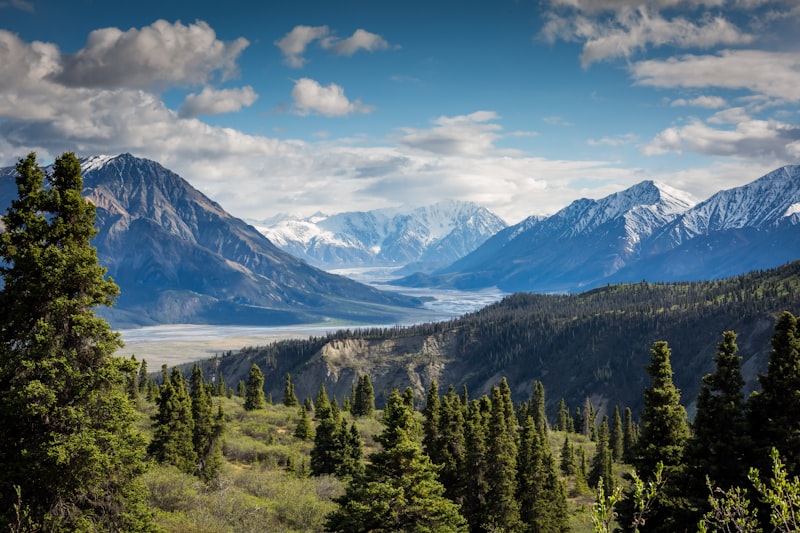
Alaska is the retirement destination nobody talks about — and for retirees willing to trade sunshine for savings, that's a mistake. With zero state income tax, zero state sales tax, an annual Permanent Fund Dividend check, and senior property tax exemptions, Alaska is one of the most tax-friendly states in America for retirees. Your Social Security, pension, 401(k) withdrawals, and investment income are all untouched by the state. The catch? You'll pay more for groceries, healthcare, and heating — and you'll need to genuinely enjoy winter, because there's a lot of it.
Why Retirees Are Choosing Alaska
Alaska's appeal comes down to one thing: you keep more of your money. For a retiree with $80,000 in annual income from Social Security, a pension, and IRA withdrawals, living in a state like California or New York means losing $4,000-$7,000 to state income taxes. In Alaska, that number is zero. Add the annual Permanent Fund Dividend ($1,000-$1,700 per person) and senior property tax exemptions, and the math starts working even with higher living costs. For a detailed comparison of how state tax policies affect retirees, Alaska consistently ranks among the top three.
Then there's the lifestyle. Glacier hikes, salmon fishing, bear watching, the northern lights — Alaska offers a retirement experience that no beach town can replicate. If you've spent your career in an office dreaming about the outdoors, this is where those dreams come to life.
Cost of Living
Let's be honest: Alaska is expensive. The cost of living runs 26-31% above the national average, driven by geographic isolation that makes everything from milk to medical care cost more. But the tax savings offset a significant portion of that premium — especially for retirees with substantial pension or investment income.
Housing
Anchorage is where most retirees settle, and it offers the widest range of options. A one-bedroom apartment in outer neighborhoods like Muldoon runs $1,200/month. A comfortable two-bedroom in Midtown or Eagle River costs $1,800. If you want a three-bedroom home in South Anchorage's Hillside area with mountain views, expect $2,800+. The median home price is around $370,000 — reasonable by coastal city standards, though well above the national median.
Food
Groceries are 30-40% more expensive than the Lower 48 because nearly everything is shipped in. A weekly grocery run at Fred Meyer or Costco runs $150-200 for a couple. Summer farmers markets in Anchorage offer local produce at better prices. Dining out is moderately expensive — $15-20 for lunch, $30-50 per person for dinner at places like Glacier Brewhouse or Moose's Tooth (the state's most famous pizza). Fresh wild salmon, halibut, and king crab are abundant and affordable if you fish — a major perk.
Key Takeaway
A retired couple can live in Anchorage on $3,200/month (budget), $5,000/month (comfortable), or $7,800/month (premium). The zero state income tax and annual PFD check offset roughly $4,000-$8,000/year in higher living costs for most retirees — making the net cost comparable to many Lower 48 cities, with far better tax treatment.
Healthcare
Healthcare in Alaska is adequate but concentrated. Anchorage has three major hospitals: Providence Alaska Medical Center (the state's largest, with a Level 1 trauma center), Alaska Regional Hospital (top 10% nationally for patient safety), and Alaska Native Medical Center. Fairbanks has Fairbanks Memorial Hospital with 27+ specialties. Veterans have access to VA clinics in both cities.
The limitation: specialist access outside Anchorage is thin. If you need a cardiologist, oncologist, or orthopedic surgeon, you're likely going to Anchorage — and for rare conditions, you may need to fly to Seattle. Medicare works fully in Alaska, and supplemental Medigap plans are available, though premiums run higher than the national average. Budget $400-$1,000/month for healthcare depending on your coverage level and needs. If you're concerned about how healthcare costs interact with your Medicare IRMAA surcharges, Alaska's tax-free income can actually help keep your MAGI lower.
Visa and Residency
No visa needed — Alaska is a US state. To qualify for the Permanent Fund Dividend, you must establish residency for a full calendar year and demonstrate intent to remain indefinitely. This means getting an Alaska driver's license, registering to vote, and maintaining your primary residence in the state. You cannot be absent for more than 180 days in the qualifying year (with some exceptions for medical travel and military service).
Your Social Security benefits continue without interruption, and you can optimize your claiming strategy the same as anywhere else in the US. The PFD application opens each January for the prior year's residency.
Tax Considerations
This is Alaska's headline feature for retirees:
- No state income tax — Social Security, pensions, 401(k)/IRA withdrawals, capital gains, and dividends are all state-tax-free
- No state sales tax — though some municipalities charge 0-7.85% local sales tax (Anchorage has none)
- Senior property tax exemption — residents 65+ can exempt up to $150,000 of assessed home value in Anchorage
- No estate or inheritance tax
- Permanent Fund Dividend — $1,000-$1,700 per person annually, just for being a resident
For a couple with $100,000 in combined retirement income, the state income tax savings alone are worth $5,000-$10,000/year compared to states like California, Minnesota, or New York. That's real money that goes directly into your pocket — or covers the higher grocery and heating bills. To understand how your overall retirement tax strategy works in a zero-income-tax state, the withdrawal order from your accounts matters even more at the federal level.
Climate and Seasons
This is the dealbreaker for most people, and it should be addressed honestly. Anchorage winters are cold — average January temperatures of 10-20°F with occasional dips to -20°F. The interior (Fairbanks) is far colder, hitting -40°F to -50°F. Coastal towns like Homer and Seward are milder but wetter.
The daylight issue is equally significant. Anchorage gets 19 hours of daylight in June — spectacular for hiking, fishing, and gardening. But in December, you get only 5.5 hours. Seasonal Affective Disorder affects roughly 10% of Alaska residents (vs. 1% nationally). If you've never experienced a subarctic winter, rent a place for one full winter before committing.
The flip side: Alaska summers are genuinely magical. Endless daylight, 60-65°F temperatures, wildflowers, wildlife, and some of the most stunning landscapes on Earth. Many retirees adopt a "snowbird" strategy — Alaska for May through September, then the Lower 48 or abroad for winter. The PFD allows up to 180 days out of state.
Getting There
Anchorage's Ted Stevens International Airport has direct flights to Seattle (3.5 hours), with connections to anywhere in the US. Flights to the East Coast take 8-9 hours with one stop. Alaska Airlines and Delta are the primary carriers. Internet is solid in Anchorage — 100+ Mbps widely available via GCI or ACS — though rural Alaska still has connectivity gaps. Starlink has improved options in remote areas significantly.
Key Takeaway
Alaska is ideal for retirees who prioritize tax savings and outdoor adventure over warm weather. The zero income tax, PFD income, and senior property exemptions make it one of the most financially attractive domestic retirement options — but only if you can genuinely embrace (or strategically avoid) the winters. Rent for a full year before buying. If the dark months don't defeat you, the summers will reward you like nowhere else.