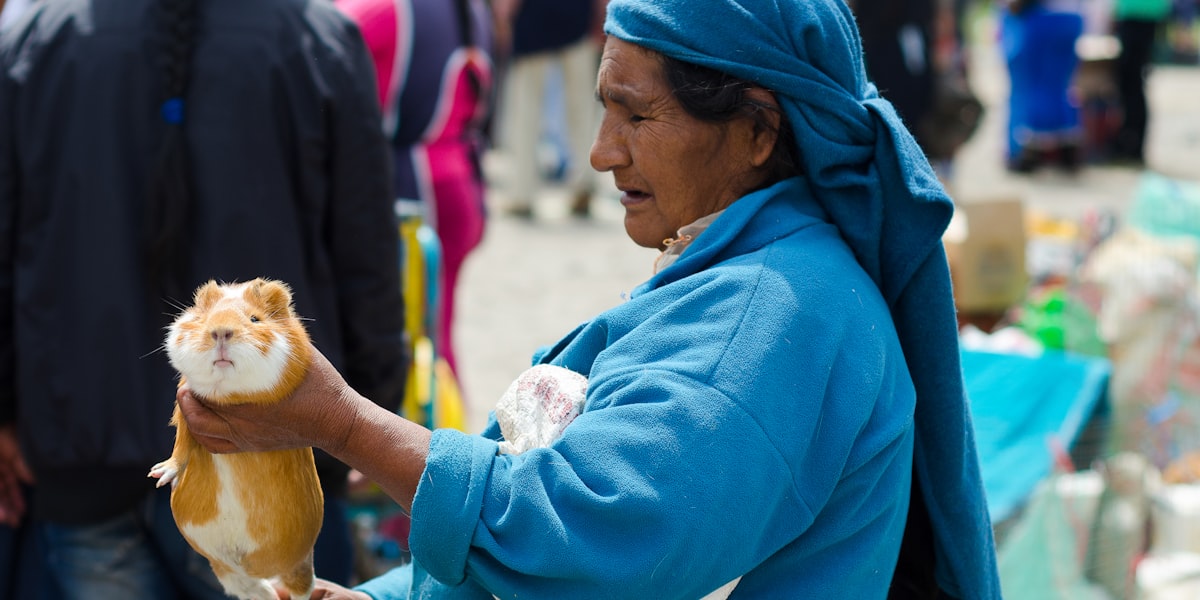
Tucked into the Ecuadorian highlands at 8,000 feet, the small town of Cotacachi has become an unexpected magnet for American retirees seeking the quietest, most affordable version of life abroad. With a population of around 10,000, it offers none of the bustle of Quito or even Cuenca, and that is precisely the point. Here, the US dollar is the official currency, volcanic peaks frame every view, and a couple can live a comfortable life on $1,300 a month. For retirees who want peace, natural beauty, and deep value, Cotacachi delivers in ways few places can.
Why Retirees Choose Cotacachi
Cotacachi sits in the Imbabura province of northern Ecuador, about two hours north of Quito by car. The town is nestled between the Cotacachi and Imbabura volcanoes, with the stunning crater lake of Cuicocha just 15 minutes away. The climate is perpetual spring: daytime temperatures hover around 68-72 degrees Fahrenheit year-round, dropping into the mid-40s at night. There is no need for air conditioning or significant heating, which keeps utility bills almost negligibly low.
The town itself is famous throughout Ecuador for its leather goods industry. The main street, Calle 10 de Agosto, is lined with leather shops, and the annual Leather Festival draws visitors from across the country. Beyond leather, Cotacachi has a vibrant indigenous Kichwa culture, with traditional markets, festivals, and a community that has maintained its heritage while welcoming outsiders.
A growing expat community of several hundred Americans, Canadians, and Europeans has established itself here over the past decade. This community is tight-knit and active, organizing regular social events, volunteer projects, and Spanish language groups. For a town of its size, the social infrastructure for English-speaking retirees is surprisingly robust.
The Jubilado (Pensioner) Visa
Ecuador's retirement visa is one of the simplest in the Americas. The Jubilado visa requires proof of a guaranteed lifetime pension income of at least $1,446 per month for 2026, which equals three times the Salario Basico Unificado (SBU) of $482. Social Security benefits qualify. Each dependent adds $250 per month to the requirement.
The visa grants two years of temporary residency initially, with permanent residency available after 21 months of physical presence. Remarkably, Ecuadorian citizenship is available after just three years of legal residency, making it one of the fastest naturalization paths in the hemisphere. Visa holders also gain access to Ecuador's generous senior discounts for residents over 65: 50% off utilities, domestic airfare, and property taxes.
Key Takeaway
Cotacachi offers the same Jubilado visa benefits and senior discounts as Cuenca or Quito, but at significantly lower living costs. A couple receiving $2,000 per month in Social Security can live a genuinely comfortable life here and still save money each month.
Healthcare: Plan Ahead
Healthcare is the area where Cotacachi requires the most planning. The town has a small public health clinic and a few private doctors, but there is no major hospital. For specialist care, lab work, or emergencies, most residents travel to Ibarra, a city of 200,000 located about 30 minutes south, which has several private hospitals including Hospital San Vicente de Paul and Clinica Ibarra.
For more complex procedures, Quito is two hours away and has world-class medical facilities, including Hospital Metropolitano and Hospital de los Valles, where many doctors are US- or European-trained. Expats in Cotacachi typically enroll in IESS (Ecuador's public system) for about $90 per month, which covers hospitalization and prescriptions at facilities throughout the country. Many also carry supplemental private insurance for faster access to Quito specialists.
Routine medical costs are extremely low regardless. A doctor visit in Ibarra runs $20-$30, dental cleanings cost $20-$30, and prescription medications are a fraction of US prices.
Cost of Living: The Deepest Value in the Americas
Cotacachi's cost of living is lower than Cuenca, which is already one of the cheapest expat destinations in the world. Housing is the most dramatic difference: a furnished one-bedroom apartment near the central plaza rents for $300-$400 per month. A two-bedroom house with a garden runs $450-$600. Buying property is also remarkably affordable, with houses starting around $40,000-$70,000.
Food costs are minimal. The weekly market and daily produce vendors sell fresh fruits, vegetables, and grains at prices that would astonish any American: a week's worth of produce for two people can cost as little as $10-$15. A set almuerzo (lunch) at a local restaurant is $2.50-$3.50. Even dining at the town's better restaurants rarely exceeds $10-$15 per person.
Because Ecuador uses the US dollar, there is no exchange rate risk, and you can use your American bank accounts and credit cards without conversion fees. This is a significant practical advantage that few other ultra-affordable destinations can match.
Key Takeaway
Cotacachi is one of the few places in the world where a couple can live on under $1,000 per month without feeling deprived. For those on a tight fixed income, this level of affordability can transform retirement from stressful to genuinely enjoyable.
Where to Live in Cotacachi
Town Center
The walkable core around Parque Central and the leather shops is where most conveniences are located. Apartments and small houses here put you within steps of restaurants, the market, and expat gathering spots. This is the best option for those who do not want or need a car.
La Banda and Surrounding Barrios
The residential neighborhoods just outside the center offer larger properties with gardens and mountain views at lower prices. A 10-minute walk or short taxi ride gets you to town. Many expat families settle here for the extra space and quiet.
Near Cuicocha
A few retirees have chosen properties along the road to Cuicocha crater lake, trading walkability to town for stunning natural surroundings. This option works best with a car or for those comfortable with occasional taxi rides.
Practical Considerations
Internet service has improved in recent years, with speeds averaging 20-40 Mbps in the town center. Fiber is not yet universally available, but most expats report reliable connectivity for video calls and streaming. For faster speeds, Otavalo (15 minutes away) and Ibarra offer better options.
Getting to Cotacachi requires flying into Quito's Mariscal Sucre International Airport (about 4.5-5 hours from Miami) and then driving or taking a bus two hours north. There is no direct public bus from Quito; most travelers connect through Otavalo. Having a car is helpful but not essential, as local taxis and buses cover most needs.
Spanish is essential for daily life. While the expat community provides an English-speaking social circle, interacting with locals, navigating markets, and handling any official business requires at least conversational Spanish. Private tutoring is widely available for $5-$8 per hour.
Is Cotacachi Right for You?
Cotacachi is the ideal choice for retirees who crave quiet, natural beauty, and the absolute lowest cost of living in a dollarized economy. It works best for those who are comfortable in a small-town setting, willing to learn Spanish, and prepared to travel to Ibarra or Quito for healthcare and major shopping. If you need urban conveniences, nightlife, or top-tier medical facilities at your doorstep, Cuenca or Quito will serve you better. But for retirees who dream of a simple, affordable life surrounded by volcanoes and friendly neighbors, Cotacachi is a hidden gem that more Americans are discovering every year.